Are you tired of finding those creepy earwigs and silverfish hiding in your home? These little pests can be more than just a nuisance—they can damage your books, clothes, and even your peace of mind.
But don’t worry, you’re not alone, and getting rid of them is easier than you think. You’ll discover simple, effective ways to say goodbye to earwigs and silverfish for good. Keep reading, and take control of your space today.
Credit: americanpest.net
Identifying Earwigs And Silverfish
Knowing how to identify earwigs and silverfish is the first step in tackling an infestation effectively. These insects often hide in plain sight, and mistaking one for the other can delay your efforts to get rid of them. Let’s break down what makes each of these pests unique so you can spot them quickly and take action.
Physical Characteristics
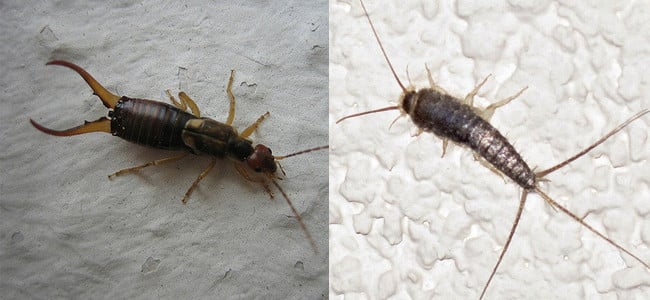
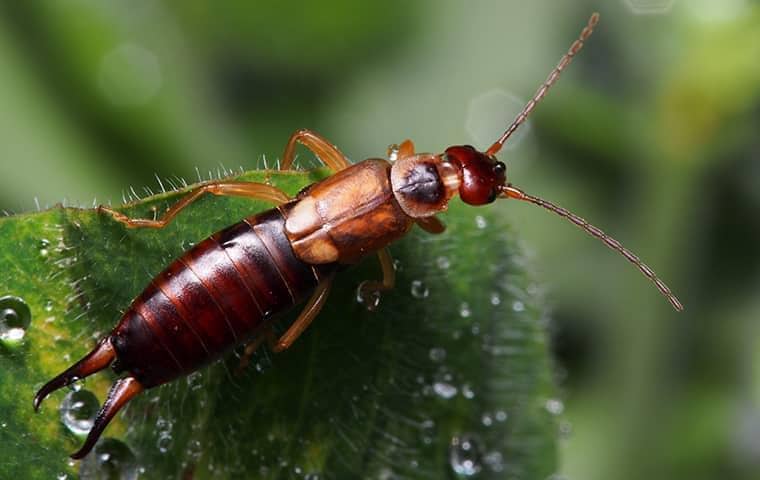
Earwigs have elongated bodies, usually about 1 inch long. Their most notable feature is the pair of pincers or forceps on their rear end, which curve outward in males and are straighter in females. They have dark brown or reddish-brown coloring and six legs, with wings that fold neatly under short wing covers, though they rarely fly.
Silverfish look quite different. They have a shiny, silvery-gray color and a teardrop-shaped body that tapers at the end. These insects are smaller, around 0.5 to 1 inch long, and move in a wiggling, fish-like manner. Unlike earwigs, silverfish have long antennae and three long tail-like appendages at their rear.
Common Hiding Spots
Earwigs favor dark, damp places and often hide under leaves, mulch, or stones outside. Inside your home, you might find them in basements, bathrooms, or kitchen cabinets—anywhere with moisture and clutter. Have you noticed them near your house foundation or in cracks around doors?
Silverfish prefer similar moist environments but are especially common in bathrooms, attics, and around baseboards. They thrive in paper clutter, so bookshelves or old boxes can be perfect hiding spots. If you find tiny holes in books or wallpaper peeling, silverfish might be the cause.
Signs Of Infestation
- Earwigs: Look for small, dark brown insects scurrying at night. You might also spot their pincers or find them crushed near windows or doorways.
- Silverfish: Check for tiny silver scales left behind or yellow stains on walls and fabrics. Silverfish damage often appears as irregular holes in paper, wallpaper, or clothing.
- Both pests leave droppings that look like small black specks. If you see these near their hiding spots, it’s a clear sign they’re around.
Have you ever found mysterious holes in your books or noticed little bugs darting across your bathroom floor at night? Recognizing these signs early can save you time and frustration when dealing with earwigs and silverfish.
Natural Prevention Methods
Natural prevention methods help keep earwigs and silverfish away safely. These pests thrive in damp, dark places and enter homes through small cracks. Using natural ways to prevent them reduces the need for chemicals. Focus on stopping their entry and making your home less attractive to these insects.
Reducing Moisture Levels
Earwigs and silverfish love moist areas. Fix leaks in pipes and faucets quickly. Use a dehumidifier in damp rooms like basements. Open windows to let fresh air circulate. Dry wet areas after cleaning or rain. Lower moisture to make your home less inviting.
Sealing Entry Points
Close gaps around doors and windows tightly. Use weather stripping or caulk to seal cracks. Check walls and foundations for small holes. Cover vents with fine mesh screens. Seal entry points to stop pests from coming inside.
Maintaining Cleanliness
Keep your home clean and tidy daily. Remove food crumbs and spills right away. Store food in sealed containers only. Clear away piles of paper, cardboard, or clothes. Regular cleaning removes hiding spots and food sources for pests.
Home Remedies For Control
Controlling earwigs and silverfish at home can be simple and safe. Natural remedies offer effective ways to reduce these pests without harsh chemicals. These methods work well for small infestations and help keep your living space clean and pest-free.
Using Diatomaceous Earth
Diatomaceous earth is a natural powder made from fossilized algae. It damages the outer shell of earwigs and silverfish, causing them to dry out and die. Sprinkle it around baseboards, corners, and damp areas where pests hide. Use food-grade diatomaceous earth to keep it safe for pets and humans.
Essential Oils That Repel
Essential oils like lavender, peppermint, and tea tree repel earwigs and silverfish. Mix a few drops with water in a spray bottle. Spray around windows, doors, and dark corners. The strong smell keeps pests away without harming your family or pets.
Traps You Can Make
Simple traps catch earwigs and silverfish. Place small jars or containers with a piece of damp cardboard inside. The pests hide under the cardboard overnight. Check the traps daily and remove any trapped insects. This method helps reduce their numbers quickly.

Credit: www.reddit.com
Chemical Solutions
Chemical solutions can help control earwigs and silverfish quickly. These pests often hide in cracks and dark places. Using insecticides targets them directly and reduces their numbers fast. Choose the right products and follow instructions carefully for best results.
Safe Insecticides
Select insecticides labeled safe for indoor use. Look for products with active ingredients like pyrethrins or permethrin. These kill earwigs and silverfish effectively. Use sprays, dusts, or baits depending on the infestation area. Avoid harsh chemicals that can harm pets or children.
When To Use Pesticides
Use pesticides after trying natural methods first. Apply them when pest numbers grow or damage appears. Target areas where pests hide, such as basements, closets, or under sinks. Repeat treatments may be necessary for severe infestations. Always read the label for timing and frequency advice.
Precautions To Take
Wear gloves and a mask during application. Keep pets and children away from treated areas until dry. Ventilate rooms well after spraying. Store chemicals in locked, safe places. Never mix different insecticides to avoid dangerous reactions. Follow disposal instructions to protect the environment.
Professional Pest Control Options
Professional pest control offers an effective way to remove earwigs and silverfish. Experts use safe methods to stop pests quickly. They also help prevent future problems. This option is best for serious infestations or hard-to-reach areas.
When To Call Experts
Call pest control if pests spread fast or return often. If home remedies fail, experts can help. Large infestations need special tools and skills. Signs include many bugs, damage, or bad smells.
What To Expect From Treatment
Professionals inspect your home carefully. They find where pests hide and enter. Treatment may include sprays, traps, or dust. Experts use products safe for families and pets. Usually, one visit reduces pests a lot. They explain how to keep pests away after.
Long-term Prevention Plans
Experts create plans to stop pests from coming back. They suggest cleaning routines and sealing cracks. Advice on moisture control helps too. Regular check-ups keep your home pest-free. Follow their tips to protect your space long-term.
Credit: www.allamericanpestcontrol.com
Conclusion
Getting rid of earwigs and silverfish takes patience and care. Keep your home dry and clean to stop them. Seal cracks and remove clutter where they hide. Use traps or natural sprays to reduce their numbers. Check your home often to catch them early.
Small steps can make a big difference. Stay consistent, and pests will leave for good. A pest-free home feels safe and comfortable. You can protect your space with simple daily habits.