Are you noticing tiny, dark insects hiding in your plants and wondering how to get rid of earwigs? These little pests can quickly damage your garden, leaving your plants looking unhealthy and stressed.
But don’t worry—you can take control. You’ll discover simple and effective ways to protect your plants from earwigs, so your garden stays vibrant and thriving. Keep reading to find out exactly what you need to do to keep these unwanted visitors away for good.
Earwig Identification
Identifying earwigs is the first step in controlling them in your garden. Knowing what they look like and where they live helps you protect your plants effectively.
Physical Characteristics
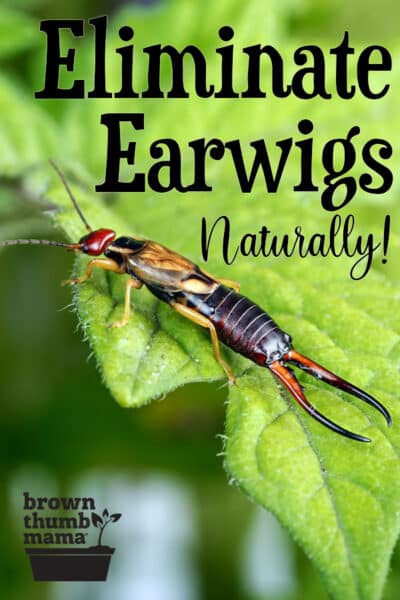
Earwigs have long, narrow bodies that range from 5 to 25 mm in length. Their color varies from dark brown to black. They have two pincers, called cerci, at the rear of their bodies. These pincers curve outward in males and are straighter in females. Earwigs have six legs and two antennae that help them sense their surroundings. Their wings are folded under short wing covers, but they rarely fly.
Common Habitats
Earwigs prefer dark and damp places. They hide under rocks, mulch, and leaf piles during the day. They also live in cracks in the soil and under plant debris. At night, they come out to feed on plants and insects. Gardens with moist soil and decaying organic matter attract earwigs. Understanding these habitats helps in locating and controlling them effectively.

Credit: cedarcide.com
Damage Caused By Earwigs
Earwigs can harm your plants in several ways. They feed on leaves, flowers, and fruits. This damage weakens plants and slows their growth. The harm may start small but can spread quickly. Identifying earwig damage early helps protect your garden.
Signs On Plants
Look for irregular holes on leaves and petals. Edges of leaves may appear ragged or chewed. Small, brownish spots might show on fruits. You may find slimy, dark droppings near damaged areas. Plants can look wilted or stressed after heavy feeding.
Affected Plant Types
Earwigs attack many garden plants, including vegetables like lettuce and beans. They also feed on flowers such as dahlias and roses. Fruit trees, especially apples and grapes, are vulnerable. Herbs like basil and parsley may suffer damage. Most plants with soft leaves can attract earwigs.
Natural Prevention Methods
Natural prevention methods help keep earwigs away from plants without chemicals. These methods focus on making your garden less attractive to earwigs. They also support healthy plant growth and a balanced ecosystem.
Removing Shelter Areas
Earwigs hide in dark, damp places during the day. Remove piles of leaves, mulch, and debris near your plants. Clear away old wood and stones where they can hide. Keeping the garden clean reduces earwig shelter and stops their population growth.
Proper Watering Techniques
Water plants early in the day to let soil dry by night. Avoid overwatering because wet soil attracts earwigs. Well-drained soil prevents damp conditions that earwigs love. Use drip irrigation to keep water at the roots, not on leaves.
Encouraging Beneficial Insects
Ladybugs, spiders, and ground beetles eat earwigs. Plant flowers like marigolds and daisies to attract these helpful insects. Avoid pesticides that kill beneficial bugs. A garden with many predators naturally controls earwig numbers.
:max_bytes(150000):strip_icc()/how-to-get-rid-of-earwigs-in-your-house-5215322_v2-0997303a9e5541c98c11c26522c38f7a.png)
Credit: www.thespruce.com
Homemade Earwig Traps
Homemade earwig traps offer a simple way to protect your plants. They use common household items to catch earwigs. These traps attract earwigs and keep them away from your garden. You can easily make these traps at home without special tools. Using traps reduces the need for chemicals and keeps your plants safe.
Jar Trap Setup
Take a small jar and fill it halfway with vegetable oil. Add a little soy sauce for a strong smell. Bury the jar in the soil near your plants. Leave the jar open at ground level. Earwigs will crawl inside, attracted by the smell. They will get trapped in the oil and cannot escape. Check the jar daily and replace the oil as needed.
Oil And Soy Sauce Trap
Mix equal parts of vegetable oil and soy sauce in a shallow container. Place the container near affected plants in the evening. The scent will lure earwigs to the trap. Earwigs fall into the liquid and drown. Change the mixture every few days for best results. This trap works well in small garden areas.
Natural Repellents
Natural repellents offer a safe way to protect your plants from earwigs. These methods avoid harsh chemicals and keep your garden healthy. Using natural repellents helps maintain the balance of insects around your plants. They are easy to apply and gentle on the environment.
Essential Oils
Essential oils work well to repel earwigs from plants. Oils like peppermint, tea tree, and eucalyptus have strong smells. Earwigs dislike these scents and stay away.
Mix 10 drops of essential oil with water in a spray bottle. Spray the solution on plant leaves and soil around them. Repeat every few days for best results. This method keeps earwigs from settling on your plants.
Diatomaceous Earth
Diatomaceous earth is a natural powder made from fossilized algae. It is safe for plants but harmful to insects.
Sprinkle a thin layer of diatomaceous earth around your plants. The powder scratches the earwigs’ bodies and dehydrates them. This stops earwigs from crawling near your plants.
Reapply after rain or watering. It works best in dry conditions and can reduce earwig populations effectively.
Credit: brownthumbmama.com
Plant-based Remedies
Plant-based remedies offer a natural way to control earwigs in your garden. They protect plants without harmful chemicals. These methods are safe for children, pets, and the environment. Using plant extracts can keep earwigs away and improve plant health.
Neem Oil Applications
Neem oil is a natural insect repellent. It disrupts earwigs’ feeding and breeding. Mix two tablespoons of neem oil with one gallon of water. Spray this solution on the plants’ leaves and stems. Repeat every seven days for best results. Avoid spraying during the hottest part of the day. Neem oil also helps prevent other garden pests.
Garlic Spray
Garlic has a strong smell that earwigs dislike. Make a garlic spray by blending two cloves of garlic with one quart of water. Let the mixture sit overnight. Strain it and spray directly on the plants. Spray every few days or after rain. Garlic spray repels earwigs and many other insects. It is safe and easy to prepare at home.
Maintaining Plant Health
Maintaining plant health is key to preventing earwig infestations. Healthy plants resist pests better and recover faster from damage. Strong roots and leaves create a tough environment for earwigs to thrive. Taking care of your plants regularly lowers the chance of pest problems.
Regular Inspection
Check your plants often for signs of earwigs. Look under leaves and near the soil surface. Early spotting helps stop infestations before they grow. Remove any earwigs you find by hand. This simple step protects your plants from damage.
Soil Care Tips
Keep soil clean and well-drained to discourage earwigs. Avoid excess moisture, as wet soil attracts pests. Add organic matter to improve soil health and support strong roots. Turn soil regularly to expose pests hiding below. Healthy soil means healthy plants and fewer earwigs.
Conclusion
Controlling earwigs in plants takes patience and care. Start by keeping your garden clean and dry. Use traps or natural repellents to reduce their numbers. Check your plants often for signs of damage. Small actions can prevent bigger problems later.
Healthy plants resist pests better. Stay consistent with your pest control methods. Your plants will grow stronger and healthier. Enjoy a pest-free garden all season long.