Are you dealing with the uncomfortable and itchy problem of fleas in your hair? It’s a frustrating situation that can make you feel restless and self-conscious.
But don’t worry—you’re not alone, and there are simple, effective ways to get rid of these tiny pests quickly. You’ll discover easy steps to free your hair from fleas and stop the itching for good. Keep reading, because the relief you’re looking for is closer than you think.
Identifying Fleas In Hair
Fleas in human hair can cause discomfort and itching. Identifying them early helps stop the problem fast. Fleas are tiny insects that move quickly. They hide close to the scalp and bite the skin. Knowing the signs and how to spot fleas is important. This section explains how to identify fleas in hair clearly.
Signs And Symptoms
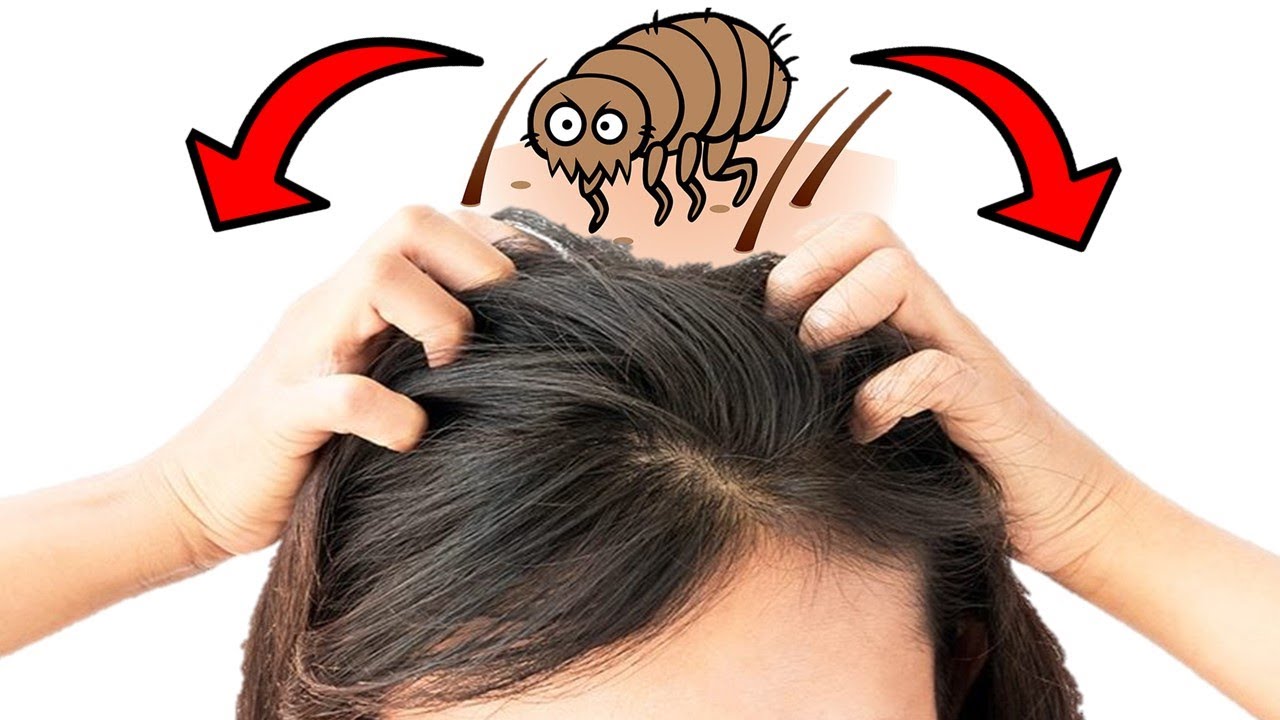
Itching is the most common sign of fleas in hair. Flea bites cause small red bumps on the scalp. You may see tiny black or brown dots moving in the hair. These dots are fleas or flea dirt. Fleas jump and move fast, making them hard to catch. Sometimes, the scalp feels irritated or sore from bites. Notice if itching worsens at night. Fleas tend to bite more in the dark.
Distinguishing Fleas From Lice
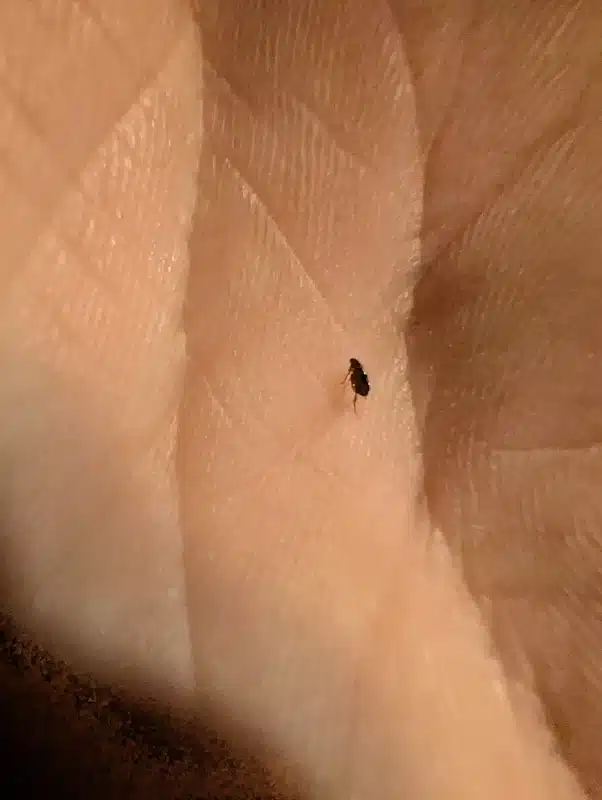
Fleas and lice look similar but are different pests. Fleas are smaller, usually less than 3 mm long. They can jump from one place to another. Lice cannot jump; they crawl slowly through hair. Fleas have strong back legs for jumping. Lice have claws to hold on hair strands tightly. Flea bites are often scattered on the scalp and neck. Lice bites usually cluster behind the ears and near the neckline. Checking these details helps tell fleas apart from lice.
Immediate Actions To Take
Fleas in hair can cause itching and discomfort. Act fast to stop the problem from getting worse. Start with these immediate steps to remove fleas and feel better quickly.
Washing Hair Thoroughly
Use warm water and a strong shampoo to wash your hair. Focus on areas near the scalp. Rinse well to remove fleas and eggs. Repeat washing after a few days to catch any fleas that hatch later. Avoid harsh chemicals that can irritate your scalp.
Using A Fine-toothed Comb
Choose a fine-toothed comb made for lice or fleas. Comb through wet hair in small sections. Comb from the scalp to hair tips. Clean the comb after each pass to remove fleas and eggs. This method helps remove fleas you might miss with washing alone.
Home Remedies That Work
Fleas in human hair cause discomfort and itching. Removing them quickly is important. Home remedies offer safe and natural ways to get rid of fleas. These methods avoid harsh chemicals and are easy to try at home. Using simple ingredients can help clear fleas and soothe the scalp.
Essential Oils For Flea Removal
Essential oils have natural flea-repelling properties. Lavender oil calms the scalp and keeps fleas away. Tea tree oil kills fleas and soothes irritation. Mix a few drops of these oils with a carrier oil like coconut oil. Apply the mixture gently to the scalp and hair. Leave it on for 30 minutes before washing. Repeat this treatment every few days for best results.
Natural Insecticides
Natural insecticides can help remove fleas safely. A mixture of apple cider vinegar and water acts as a flea deterrent. Spray this solution lightly on the hair and scalp. Comb the hair with a fine-toothed comb to remove fleas and eggs. Another option is to use lemon juice mixed with water. Spray and rinse after 15 minutes. These insecticides work well without harmful chemicals.
Credit: www.youtube.com
Medicated Treatments
Medicated treatments provide effective ways to remove fleas from human hair. These options work by killing fleas and stopping their eggs from hatching. Using the right treatment helps clear infestation quickly and safely.
Over-the-counter Shampoos
Over-the-counter shampoos are easy to find and use. They contain ingredients that kill fleas on contact. These shampoos often include insecticides like permethrin or pyrethrin. Follow the instructions carefully for best results. Repeat the treatment if needed to ensure all fleas are gone. These shampoos also help soothe itching and irritation.
Prescription Options
Prescription treatments are stronger and used for severe cases. Doctors may prescribe medicated shampoos or lotions with powerful chemicals. These treatments kill fleas and their eggs more effectively. Use prescription options only as directed by a healthcare provider. They can provide faster relief when over-the-counter shampoos do not work well. Always discuss any allergies or skin sensitivities before using prescription products.
Preventing Future Infestations
Preventing future flea infestations in human hair is very important. Fleas can return quickly if you do not take steps to stop them. Keeping good habits helps keep fleas away and protects your health. This section explains easy ways to avoid fleas coming back.
Maintaining Hair Hygiene
Wash your hair regularly with a gentle shampoo. Clean hair is less likely to attract fleas. Comb your hair daily using a fine-toothed comb. This removes any fleas or eggs before they multiply. Avoid sharing hats, brushes, or pillows with others. Fleas can spread through personal items easily.
Treating Pets And Surroundings
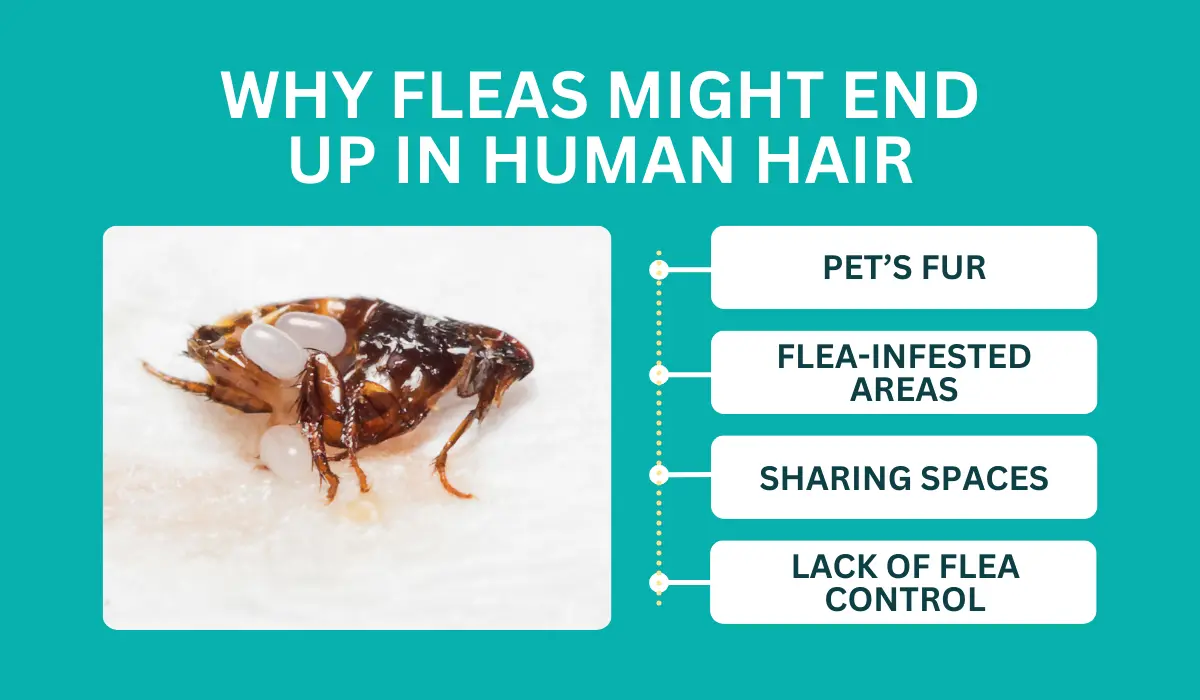
Pets often bring fleas into the home. Check your pets for fleas often and treat them with vet-approved products. Clean pet bedding and vacuum floors and furniture regularly. Wash blankets and carpets in hot water to kill flea eggs. Keeping your home and pets flea-free stops infestations from returning.
Credit: www.nativepestmanagement.com
When To Seek Medical Help
Knowing when to seek medical help is important if fleas invade your hair. Most flea bites cause mild itching and irritation. Sometimes, complications can happen. Recognizing these signs helps you act quickly and safely.
Signs Of Infection
Watch for redness or swelling around flea bites. Pus or fluid may appear in some areas. The skin might feel warm or painful. Fever can also be a sign of infection. These symptoms need medical attention to prevent worsening.
Persistent Flea Problems
If fleas keep coming back despite cleaning, see a doctor. Persistent itching and discomfort can affect your health. Medical advice can help find stronger treatments. Sometimes, prescription shampoos or medications are necessary. Don’t wait too long to get professional help.
Credit: bettertermite.com
Conclusion
Fleas in hair can cause itching and discomfort. Acting quickly helps stop the problem from growing. Using fine-toothed combs removes fleas and their eggs. Washing hair with special shampoos kills remaining pests. Cleaning bedding and clothes prevents fleas from returning.
Staying calm and patient leads to success. Keep checking hair regularly to avoid new fleas. Taking these steps protects you and your family. Getting rid of fleas is possible with care and effort.