Are you tired of seeing those tiny, wriggling millipedes invading your home? Millipede infestations can be more than just a nuisance—they can make your living space uncomfortable and unsettling.
But don’t worry, you’re not alone, and there are simple, effective ways to get rid of them for good. You’ll discover easy steps you can take right now to protect your home and keep millipedes away. Keep reading, and you’ll learn how to regain control and enjoy a millipede-free environment.
Identifying Millipede Infestations
Identifying millipede infestations early helps control their spread. Knowing the signs and understanding their habits stops damage and discomfort. This section explains how to spot millipedes and recognize an infestation quickly.
Common Millipede Species
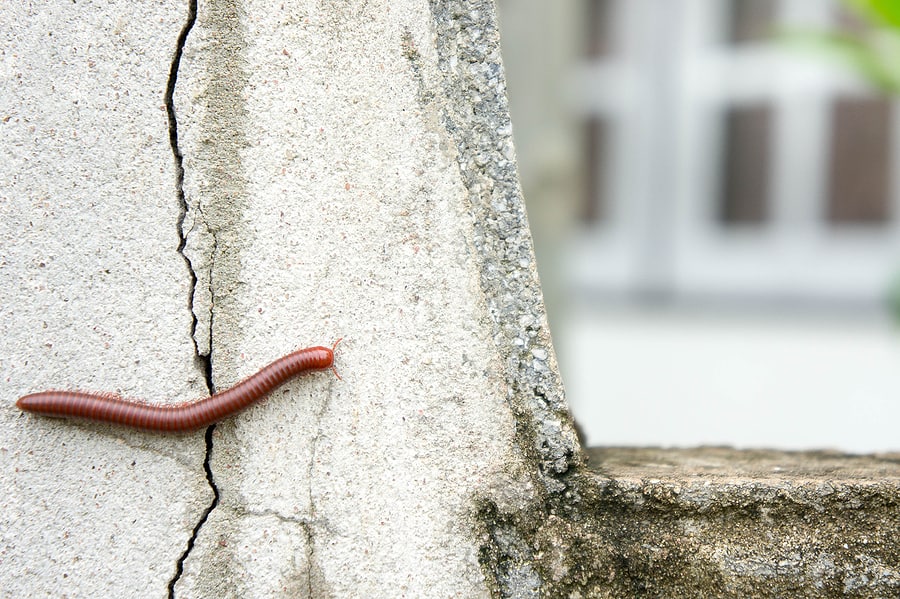
Millipedes have many species. Most are small, with long, segmented bodies. They have two pairs of legs per body segment. Common types include the American millipede and the flat-backed millipede. These species prefer damp, dark places. Recognizing these species helps identify infestations accurately.
Signs Of Infestation
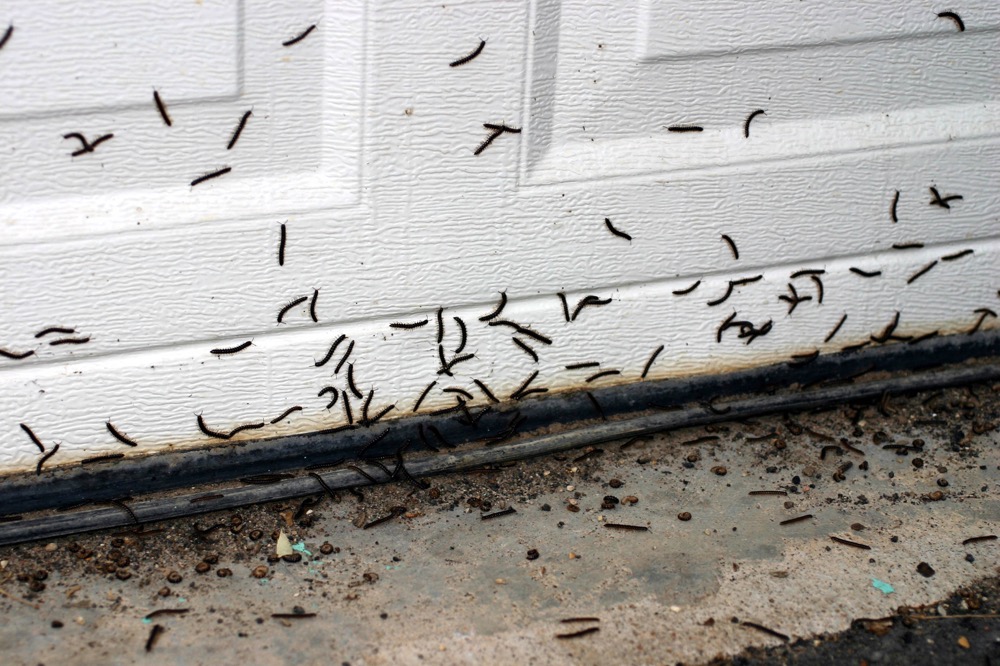
Millipedes often appear in large groups. You might see them crawling indoors or in the garden. Dead millipedes near doorways or windows indicate infestation. A musty or earthy smell may also be present. Damage to plants or mulch can signal millipede activity. Spotting these signs early aids fast action.
Millipede Behavior And Habitats
Millipedes avoid light and prefer moist spots. They hide under rocks, leaves, and mulch. They feed on decaying plant matter, rarely harming living plants. During rainy seasons, they move indoors seeking dryness. Understanding their habits helps prevent infestations and directs control efforts.
Credit: news.bugmasterkelowna.com
Preventing Millipedes Indoors
Preventing millipedes indoors is the best way to avoid a big problem. Millipedes like damp and dark places inside homes. Stopping them from entering and making your home less inviting keeps them away. Simple steps can reduce millipede numbers greatly.
Sealing Entry Points
Millipedes enter through cracks and gaps around doors and windows. Seal these openings with caulk or weatherstripping. Check areas around pipes and vents for holes and close them. Use fine mesh screens on vents to block small insects. Sealing stops millipedes from getting inside your home.
Reducing Moisture Levels
Millipedes thrive in moist environments. Fix leaks in pipes and faucets quickly. Use a dehumidifier in damp rooms like basements. Ensure good ventilation to keep air dry. Avoid overwatering indoor plants to reduce indoor moisture. Dry places make your home less attractive to millipedes.
Removing Food Sources
Millipedes feed on decaying plant material and organic matter. Clear away leaf piles and mulch near your home. Keep your garden tidy and remove dead plants. Avoid stacking firewood or debris close to the house. Less food means fewer millipedes visiting your home.
Natural Remedies For Millipedes
Natural remedies offer safe ways to reduce millipede infestations. These methods avoid harsh chemicals and protect your home environment. Using simple items and techniques, you can keep millipedes away effectively. Below are some natural options to try.
Diatomaceous Earth Application
Diatomaceous earth is a powder made from fossilized algae. It works by drying out millipedes’ outer layer, causing them to die. Sprinkle it around doors, windows, and baseboards. Reapply after rain or cleaning to keep its effect strong. It is safe for pets and children when used properly.
Essential Oils That Repel Millipedes
Essential oils like peppermint, tea tree, and eucalyptus repel millipedes. Mix 10-15 drops of oil with water in a spray bottle. Spray around entry points and places where millipedes hide. Repeat every few days or after cleaning. The strong scent discourages millipedes from entering your home.
Homemade Traps
Create simple traps using damp cardboard or newspapers. Millipedes love moist, dark places and will gather there. Place the traps near infested areas overnight. In the morning, remove and discard the traps far from your home. This method helps reduce their numbers without chemicals.

Credit: www.youtube.com
Chemical Treatments And Pesticides
Chemical treatments and pesticides offer a direct way to control millipede infestations. They kill millipedes quickly and reduce their numbers fast. Using the right product and applying it correctly is key. Chemicals can be strong, so safety matters a lot. Understanding how to choose and use pesticides helps protect your home and family.
Choosing The Right Pesticide
Select a pesticide labeled for millipede control. Look for products with active ingredients like bifenthrin or permethrin. These are effective against millipedes and other crawling insects. Avoid broad-spectrum pesticides that can harm beneficial insects. Always read the label for proper use and safety instructions. Pick a pesticide suitable for indoor or outdoor use depending on where the millipedes are.
Safe Application Methods
Wear gloves and a mask before applying pesticides. Spray around baseboards, doorways, and cracks where millipedes enter. Do not apply directly on plants or water sources. Use only the amount recommended on the label. Keep children and pets away during and after application. Store leftover pesticides in a safe, locked place out of reach. Clean tools and hands thoroughly after use.
When To Call Professionals
Large infestations may need expert help. Professionals have stronger pesticides and equipment. They know how to find and treat hidden millipede nests. Call a pest control service if you see many millipedes inside or if treatments do not work. Experts can provide safe and lasting solutions. Early professional treatment can prevent damage to your home.
Maintaining A Millipede-free Environment
Keeping your home and garden free of millipedes starts with good habits. A clean and well-maintained environment makes it hard for these pests to settle. Small efforts daily help prevent a large infestation later. Focus on cleanliness, smart landscaping, and watching closely for early signs.
Regular Cleaning Tips
Clear away leaves, mulch, and other damp debris often. Millipedes love moist and dark places to hide. Sweep floors and vacuum corners inside the house regularly. Fix leaks and reduce moisture in basements or crawl spaces. Store firewood and other materials away from your home walls. Dry environments stop millipedes from thriving.
Landscaping Practices
Trim grass and bushes near your home to reduce shelter. Remove piles of stones, wood, or compost close to the house. Create a dry barrier by keeping soil and mulch away from the foundation. Use gravel or sand instead of wet mulch near doors. These steps limit entry points for millipedes. Proper drainage helps keep the soil dry and less inviting.
Monitoring And Early Detection
Check your home and yard regularly for signs of millipedes. Look under leaves, stones, and garden debris. Watch for small trails or clusters during wet weather. Use sticky traps near entry points to catch them early. Early detection allows quick action before they spread. Act fast to keep your space millipede-free.
Credit: www.callnorthwest.com
Conclusion
Millipede infestations can cause stress and damage to your home. Act quickly to stop their spread. Remove damp places and seal cracks to block entry. Use safe methods to control their numbers. Stay patient; results take time. Keep your home clean and dry for best results.
Regular checks help catch problems early. Taking these steps protects your space from millipedes. You can enjoy a pest-free home again. Simple actions make a big difference in the long run.