Are millipedes creeping into your Florida home and garden? You’re not alone.
These small, many-legged creatures can quickly become a nuisance if you don’t act fast. But don’t worry—you can take simple steps to get rid of millipedes for good. You’ll discover easy and effective ways to protect your home and enjoy a millipede-free space.
Keep reading, and you’ll soon have the peace of mind you deserve.
Millipedes In Florida
Millipedes are common in Florida due to the warm and humid climate. These many-legged creatures thrive in moist environments. They often appear in gardens, yards, and sometimes inside homes. Understanding millipedes helps control their presence effectively. Knowing their habits and types is the first step to keeping them away.
Common Millipede Species
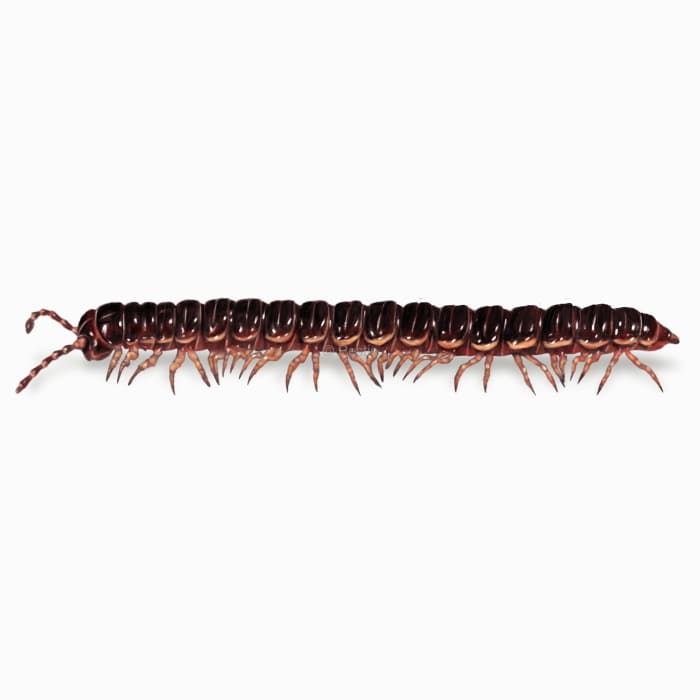
Several millipede species live in Florida. The Florida millipede is the most widespread. It has a dark, shiny body and many legs. Another common type is the flat-backed millipede. It is broader and often found under leaves or wood. These species prefer damp places with plenty of decaying plants.
Why They Invade Homes
Millipedes enter homes seeking moisture and shelter. Heavy rains and floods push them indoors. They hide in basements, bathrooms, and near foundations. Dark and damp areas attract millipedes the most. They do not harm people but can be a nuisance in large numbers.
Seasonal Behavior
Millipedes appear mostly in wet seasons. Spring and summer bring more rain, increasing millipede activity. They breed during these months, leading to more sightings. In dry seasons, millipedes stay hidden in soil or leaf litter. Understanding their seasonal habits helps in timing control efforts.
Credit: www.callnorthwest.com
Signs Of Millipede Infestation
Noticing millipedes around your home is a clear sign of an infestation. These small, many-legged creatures prefer damp places. Their presence indoors often means the environment is moist and inviting for them. Recognizing signs early helps prevent bigger problems. Below are key signs to spot millipedes in your Florida home.
Identifying Millipede Presence
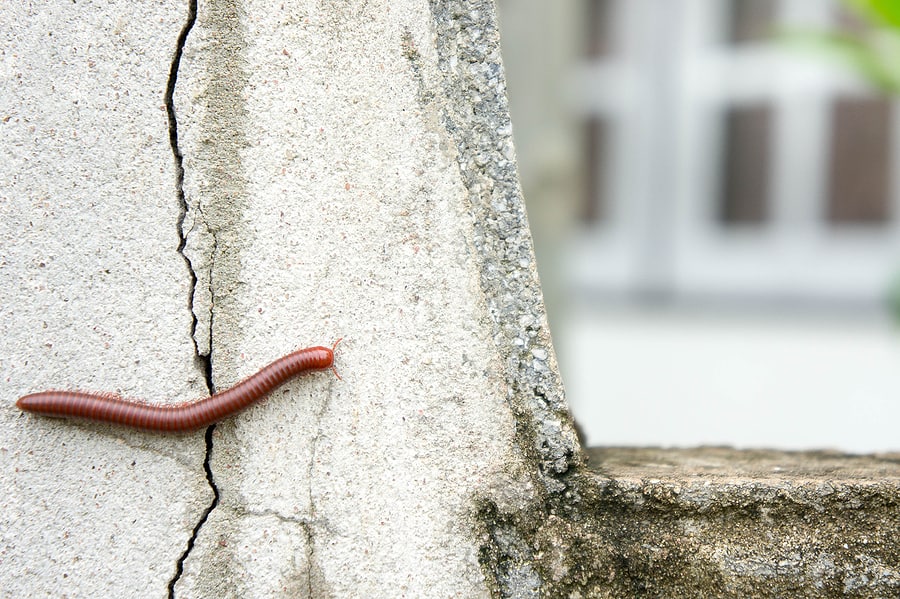
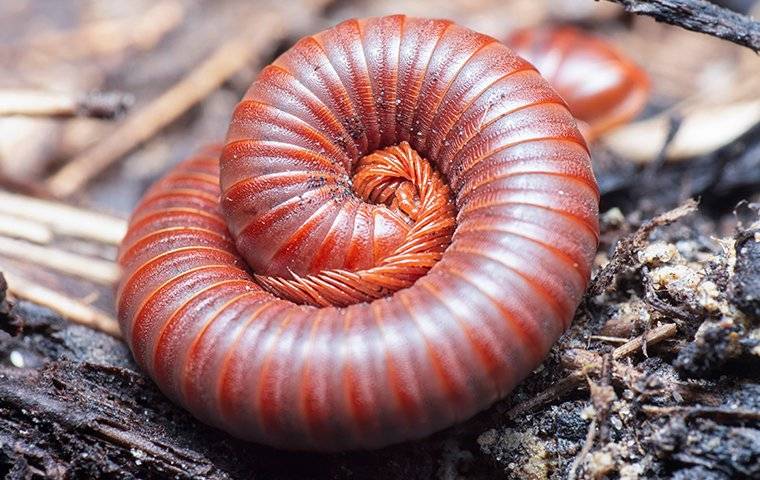
Millipedes look like tiny, segmented worms with many legs. They move slowly and curl into a tight coil when disturbed. Their color varies from brown to black. You may find them in groups, especially after rain. Spotting dead millipedes near walls or windows shows they tried to enter your home.
Areas They Frequent Indoors
Millipedes like damp, dark places inside houses. Check basements, bathrooms, and laundry rooms. They hide under sinks, behind appliances, and near leaky pipes. Cracks in walls and foundation provide entry points. Inspect these spots regularly to catch infestations early.
Damage Caused By Millipedes
Millipedes do not bite or spread disease. They mainly feed on decaying plant matter. They rarely cause real damage to homes or plants. However, large numbers can stain walls and floors. Their presence can also cause discomfort or fear for some homeowners.
Preventing Millipedes
Stopping millipedes before they enter your home is the best way to keep them away. These small creatures love damp and dark places. Controlling their environment helps reduce their numbers. Simple steps can make your home less inviting to millipedes.
Reducing Moisture Around Home
Millipedes need moisture to survive. Fix leaks in pipes and faucets quickly. Use gutters and downspouts to direct water away from your house. Avoid overwatering plants near your foundation. Keep your yard dry to limit millipede habitats.
Sealing Entry Points
Millipedes enter through small cracks and holes. Check windows, doors, and vents for gaps. Use weather stripping on doors and windows. Seal cracks in your foundation and walls with caulk. This blocks millipedes from getting inside.
Landscaping Tips
Keep plants and mulch away from your home’s base. Trim back shrubs and grass near walls. Remove leaf piles and debris where millipedes hide. Use gravel or stones in garden beds close to the house. These changes make the area less attractive to millipedes.
Credit: pestie.com
Home Remedies For Millipedes
Dealing with millipedes at home can be tough, especially in Florida’s warm climate. Home remedies offer simple and safe ways to reduce millipede numbers. These methods protect your family and pets without harsh chemicals.
Try natural solutions first. They work well and keep your home healthy. Regular care and attention make a big difference.
Natural Repellents
Many plants and substances repel millipedes naturally. Sprinkle diatomaceous earth around entry points. It dries out millipedes and keeps them away. Cedar oil and neem oil also work as repellents. Spray these oils near doors, windows, and baseboards. These scents discourage millipedes from entering your home.
Traps And Barriers
Create simple traps using damp newspaper or cardboard. Millipedes like moist places and will gather on these traps overnight. Remove and dispose of traps daily to reduce their numbers. Place barriers like sticky tape near entry points. This stops millipedes from crossing into your living space.
Safe Cleaning Practices
Keep your home dry and clean to avoid millipede attraction. Sweep floors and vacuum regularly to remove eggs and debris. Fix any leaks and reduce moisture in basements or crawl spaces. Clear leaves and mulch away from your home’s foundation. These steps help prevent millipedes from finding shelter near your house.
Chemical Treatments
Chemical treatments can help control millipedes in Florida homes and gardens. These treatments reduce the population quickly. They work by targeting millipedes directly or creating a barrier around your property.
Choosing the right chemicals and applying them correctly is important. Proper use ensures safety and improves effectiveness.
Insecticides Suitable For Millipedes
Look for insecticides labeled for millipede control. Products containing bifenthrin, permethrin, or carbaryl work well. These insecticides kill millipedes on contact and provide lasting protection.
Granular and liquid forms are available. Granules spread around your yard, while liquids spray on surfaces where millipedes hide. Choose the form that fits your needs.
Application Tips
Apply insecticides in the early evening or morning. Millipedes are active during these times. Spray around the foundation, flower beds, and mulch.
Keep soil moist before applying. Moisture helps insecticides work better. Avoid overwatering after treatment to keep chemicals effective longer.
Repeat the treatment every two to four weeks during the millipede season. Regular applications reduce their numbers steadily.
Safety Precautions
Wear gloves, long sleeves, and a mask when applying chemicals. Protect your skin and lungs from exposure. Keep children and pets away from treated areas until dry.
Store insecticides in a cool, dry place out of reach. Follow the label instructions carefully. Do not mix different products without advice.
Dispose of empty containers properly. Avoid contaminating water sources with chemical runoff.
When To Call A Professional
Dealing with millipedes can be tricky, especially when they appear in large numbers. Sometimes, home treatments are not enough. Knowing when to call a professional helps stop the problem fast and keeps your home safe. Professionals have tools and knowledge to handle tough infestations quickly and effectively.
Signs Of Severe Infestation
Large groups of millipedes inside your house show a severe infestation. You may see them coming out of cracks or walls. Millipedes might spread to many rooms. Damage to plants or mulch around your home is another sign. A strong, unpleasant smell can also mean many millipedes are present. These signs mean you need expert help.
Choosing Pest Control Services
Pick a pest control service with experience in Florida millipedes. Check if they use safe and eco-friendly methods. Ask about their treatment process and how many visits it takes. Look for companies with good reviews and proper licenses. Clear communication and quick response time matter too. A good service offers a guarantee for their work.
Cost Considerations
The cost depends on the size of the infestation and home size. Some companies charge a flat fee, others by visit or treatment type. Compare quotes from different services before deciding. Remember, a low price might not mean good results. Investing in professional help prevents future damage and saves money over time.
Credit: www.go-forth.com
Conclusion
Controlling millipedes in Florida takes patience and steady effort. Keep your home dry and clean to stop them from coming inside. Seal cracks and remove yard debris where they hide. Use safe traps or natural repellents to reduce their numbers.
Check your property often to catch problems early. Small steps make a big difference over time. Stay consistent, and your home will stay millipede-free. Simple habits protect your space and bring peace of mind.