Are you tired of seeing millipedes crawling around your potted plants? These tiny creatures might seem harmless, but they can quickly turn your indoor garden into a problem zone.
If you want to protect your plants and keep your home clean, you need to act fast and know exactly how to get rid of millipedes. You’ll discover simple, effective steps you can take right now to banish these pests for good.
Keep reading—you’ll learn how to save your plants and enjoy a pest-free space.

Credit: www.reddit.com
Identify Millipedes In Plants
Identifying millipedes in potted plants is the first step to control them effectively. These small creatures can harm your plants if not spotted early. Knowing how to spot millipedes helps protect your greenery. This section explains how to recognize millipedes and tells them apart from other pests.
Common Signs Of Infestation
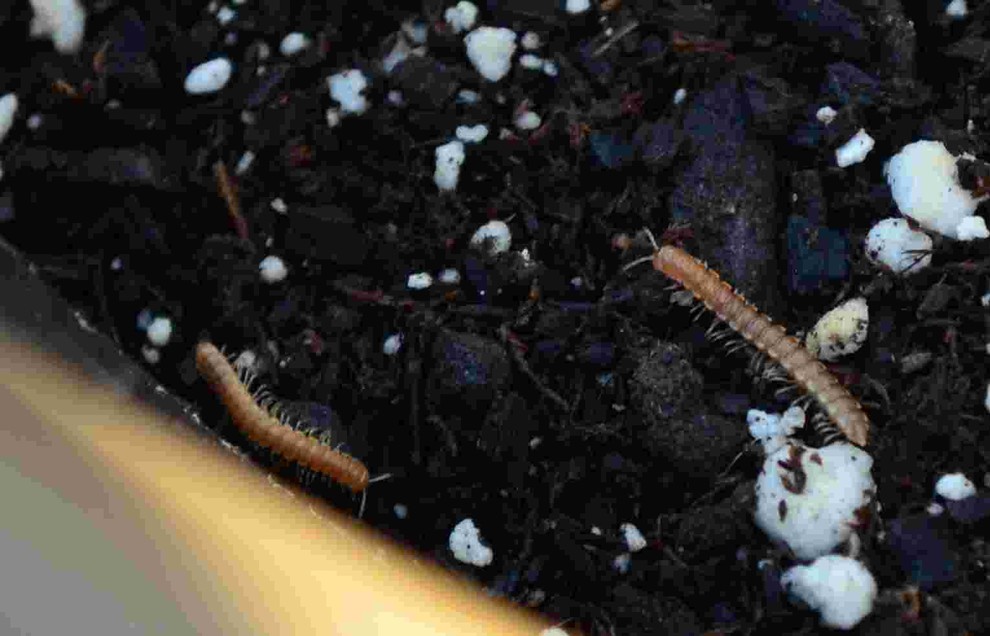
Look for small, dark worms curling under the soil surface. They move in slow, wave-like motions. Millipedes often hide in moist soil and under leaves. You may see tiny holes or damaged roots. Yellowing or wilting leaves can also indicate their presence. Small piles of decayed plant material might be near the plant base. These signs show millipedes are living in your pots.
Difference Between Millipedes And Other Pests
Millipedes have many legs, two pairs per body segment. Their bodies are long and cylindrical, unlike spiders or beetles. Millipedes move slowly and coil up when touched. Centipedes look similar but have one pair of legs per segment and move faster. Unlike slugs or snails, millipedes have hard exoskeletons. Knowing these differences helps target the right treatment for your plants.
Credit: www.houzz.com
Prevent Millipede Entry
Preventing millipedes from entering potted plants is the first step to protect your greenery. Millipedes like damp, dark places. They hide in moist soil and decaying matter. Keeping them out requires careful care of your plant’s environment. Follow these simple tips to stop millipedes before they start.
Proper Soil Selection
Choose soil that drains well and dries quickly. Avoid heavy or compacted soil that stays wet. Use soil mixes made for your plant type. Avoid soil with too much organic matter. Millipedes love decaying leaves and wood pieces. Clean soil reduces their hiding spots and food sources.
Avoid Overwatering
Water plants only when the top inch of soil is dry. Too much water creates a wet habitat for millipedes. Overwatering can also harm your plant’s roots. Use a watering schedule and check soil moisture regularly. Dry soil discourages millipedes from settling in your pot.
Maintain Good Drainage
Ensure pots have drainage holes at the bottom. Excess water must flow out quickly to avoid soggy soil. Add a layer of small stones or gravel at the pot’s base. This helps water drain faster and keeps soil aerated. Good drainage makes the environment less friendly for millipedes.
Natural Remedies For Millipedes
Natural remedies offer safe and effective ways to control millipedes in potted plants. These methods avoid harsh chemicals and protect your plants and home environment. Using natural solutions helps keep your garden healthy and pest-free. Here are some easy, natural treatments you can try to get rid of millipedes.
Using Diatomaceous Earth
Diatomaceous earth is a fine powder made from fossilized algae. It works by damaging millipedes’ outer shells, causing them to dry out and die. Sprinkle a thin layer around the base of your potted plants. Reapply after watering or rain to keep it effective. This method is safe for pets and humans.
Neem Oil Application
Neem oil is a natural insecticide extracted from the neem tree. It disrupts millipedes’ feeding and breeding. Mix neem oil with water and spray it on the soil surface and plant leaves. Repeat every 7 to 10 days until the millipedes disappear. Neem oil also helps protect plants from other pests and diseases.
Beneficial Predators
Introducing beneficial predators can help control millipede populations naturally. Certain types of birds, beetles, and spiders feed on millipedes. Encourage these predators by creating a welcoming environment near your plants. Avoid using broad-spectrum insecticides that may kill helpful insects. This keeps the pest balance under control without chemicals.
Chemical Treatments
Chemical treatments can help control millipedes in potted plants effectively. These treatments work quickly to reduce the pest population. Choosing the right product is important to keep plants safe and healthy. Using chemicals carefully prevents harm to both plants and people.
Safe Insecticides For Potted Plants
Select insecticides labeled safe for indoor and potted plants. Products containing neem oil or pyrethrin work well against millipedes. These options have low toxicity and break down quickly in soil. Avoid harsh chemicals that can damage plant roots or leaves. Always check the label to confirm the product suits your plant type.
Application Tips And Precautions
Apply insecticides in a well-ventilated area to avoid inhaling fumes. Use gloves to protect your skin from chemical exposure. Spray the soil surface and plant base lightly to target millipedes hiding spots. Do not overwater plants after treatment to prevent chemical runoff. Keep pets and children away from treated plants until dry. Follow all instructions on the product label carefully for best results.
Regular Plant Care Practices
Regular plant care helps keep millipedes away from your potted plants. Healthy plants grow strong and resist pests better. Simple habits can make a big difference.
Check your plants often. Clean pots and fresh soil stop bugs from settling. Good air flow in the soil helps roots breathe and stay healthy.
Soil Aeration Techniques
Use a small tool to poke holes in the soil. This lets air reach the roots. Well-aerated soil dries faster and prevents millipedes from hiding. Avoid compacted soil that traps moisture and pests.
Cleaning Plant Pots
Remove dead leaves and debris from pots regularly. Clean pots with mild soap and water before replanting. Dirty pots attract pests and diseases. Fresh pots give plants a healthy start.
Monitoring Plant Health
Look for signs of stress like yellow leaves or wilting. Weak plants attract millipedes and other bugs. Water plants properly but do not overwater. Strong plants keep pests away naturally.
When To Repot Plants
Knowing when to repot your plants is key to controlling millipedes in potted plants. Repotting refreshes the soil and removes pests hiding deep in the dirt. It also gives your plant more space to grow strong and healthy. Watch your plants closely to spot signs that they need repotting.
Signs You Need To Repot
Roots growing out of drainage holes is a clear sign to repot. Soil that stays wet for too long may also mean poor drainage. Your plant may look tired or stop growing well. Yellowing or wilting leaves can show stress from old soil. If millipedes keep appearing, it is time to repot and clean the soil.
Choosing Fresh Soil
Choose fresh soil that drains well to keep millipedes away. Avoid soil that holds too much moisture. Use a mix designed for your plant type. Add sand or perlite to improve drainage if needed. Fresh soil gives your plant nutrients and stops pests from returning. Clean the pot before adding new soil to remove any bugs.
Credit: killem.com.sg
Conclusion
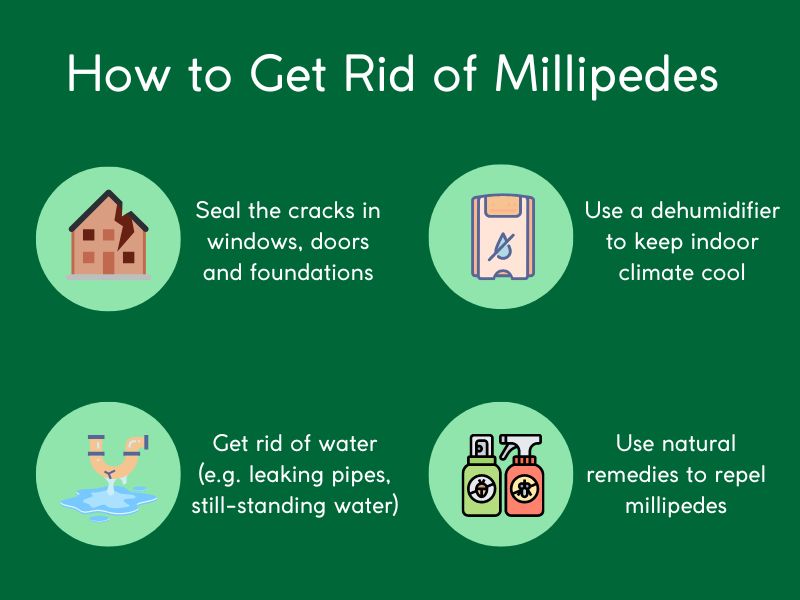
Getting rid of millipedes in potted plants takes patience and care. Keep soil dry and clean to stop them from coming back. Use natural methods like neem oil or soap spray for safe control. Check plants often to catch millipedes early.
Healthy plants resist pests better. Small steps make a big difference. Your plants will grow stronger without these bugs. Stay consistent, and your garden will stay pest-free. Simple actions protect your plants well.