Are you finding tiny, many-legged creatures creeping around your home? Millipedes can be unsettling guests, and once they invade, getting rid of them can feel overwhelming.
But don’t worry—this guide will show you simple, effective ways to remove millipedes from your house for good. By following these easy steps, you’ll protect your space and enjoy a pest-free home again. Keep reading to discover the secrets that pest control experts don’t always share!
Identifying Millipedes Indoors
Millipedes can surprise you by appearing inside your home. Knowing how to spot them helps you act fast. Identifying millipedes indoors is the first step in managing them effectively. They look like tiny worms with many legs. They prefer damp, dark places like basements and bathrooms. Early identification can prevent a bigger problem later.
Common Millipede Species
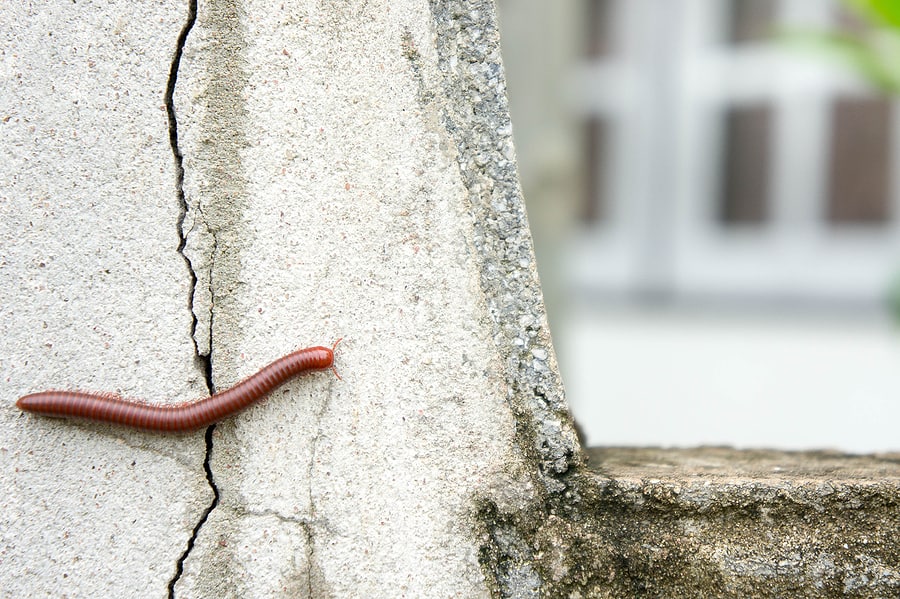
Several millipede species enter homes. The most common have long, segmented bodies. Each segment has two pairs of legs. Colors range from brown to black, sometimes with stripes. Some are small, about 1/2 inch long. Others can grow up to 4 inches. They move slowly and curl into a coil when touched. Knowing these traits helps you recognize them easily.
Signs Of Infestation
Millipedes leave clues in your home. You might see them crawling on floors or walls. They often gather near windows or doors. Damp areas like sinks and basements attract them. You may notice a musty smell from their presence. Dead millipedes can pile up in corners. Watch for damage to plants indoors. These signs show millipedes have settled in your space.
Credit: www.callnorthwest.com
Why Millipedes Enter Homes
Millipedes enter homes for simple reasons. They seek shelter and food. Understanding why they come inside helps prevent them.
Many factors attract millipedes indoors. They prefer damp, dark places. Houses often provide these conditions.
Attracted Conditions
Millipedes love moisture. Wet basements, leaks, and damp corners attract them. They avoid dry, bright areas.
Decaying leaves and wood near your home also draw millipedes. These provide food and shelter. Clearing these reduces their presence.
Seasonal Patterns
Millipedes enter homes mostly in spring and fall. These seasons bring rain and cooler weather. Millipedes move inside to escape wet soil or cold.
During summer, they stay outside in shaded, moist places. Winter forces them indoors to find warmth.
Preventing Millipede Entry
Stopping millipedes from entering your home is the best way to keep them away. These small creatures seek damp and dark places. Making your home less inviting helps reduce their visits. Focus on blocking their path and controlling moisture indoors.
Sealing Cracks And Gaps
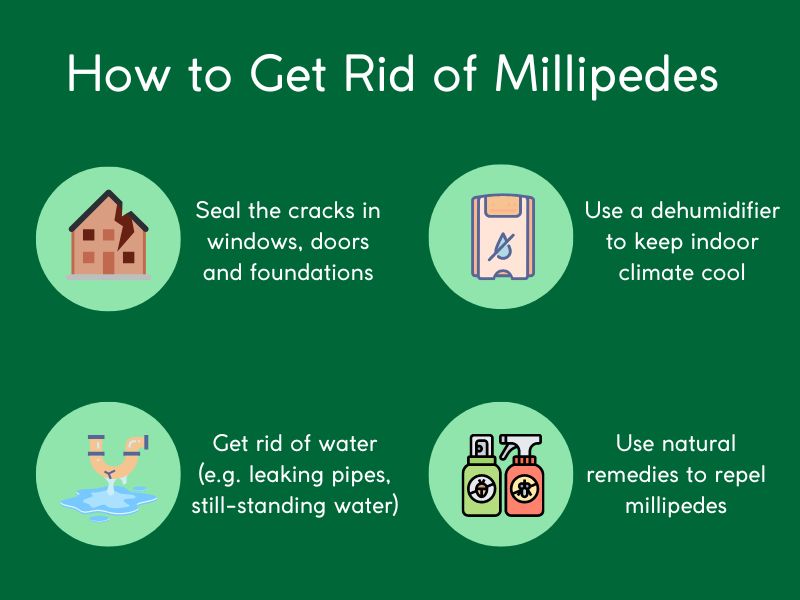
Millipedes enter through tiny cracks and gaps in walls and doors. Check your home’s foundation, windows, and doors for openings. Use caulk or weatherstripping to seal these spaces tightly. Pay attention to areas around pipes and vents. Sealing these spots keeps millipedes out and improves your home’s energy efficiency.
Managing Moisture Levels
Millipedes love damp environments. Fix leaks in pipes, faucets, and roofs quickly. Use a dehumidifier in basements and crawl spaces to reduce humidity. Ensure proper ventilation in bathrooms and kitchens. Remove standing water and dry wet areas regularly. Dry surroundings make your home less attractive to millipedes.
Credit: killem.com.sg
Diy Removal Methods
Removing millipedes from your home can be done without chemicals. DIY methods offer safe and effective ways to keep these pests away. These approaches focus on natural solutions and physical barriers to stop millipedes from entering your living space. Simple steps can make a big difference in controlling their presence.
Natural Repellents
Certain natural substances repel millipedes effectively. Diatomaceous earth works well by damaging their outer shell. Sprinkle it around doors, windows, and other entry points. Cedar oil is another option that millipedes dislike. Mix it with water and spray near problem areas. Garlic spray can also keep them away. Crush garlic cloves and mix with water for a natural spray. These repellents create an environment millipedes avoid.
Traps And Barriers
Traps help capture millipedes before they spread in your house. Use shallow containers filled with soapy water. Place them near walls or dark corners where millipedes travel. They crawl into the trap and cannot escape. Barriers block millipedes from entering your home. Seal cracks and gaps around doors and windows. Use weather stripping or caulk to close these openings. Keep your home dry, as millipedes thrive in moist places. These barriers reduce their chance of getting inside.
Maintaining A Millipede-free Home
Keeping your home free from millipedes requires ongoing care. These creatures thrive in damp, cluttered places. A clean and well-maintained home discourages them. Small daily habits make a big difference. Focus on cleaning and yard work to create a barrier against millipedes.
Regular Cleaning Tips
Clean your home often to remove millipede hiding spots. Vacuum corners, under furniture, and along baseboards. Clear away dust and debris that attract insects. Fix any leaks or damp spots inside your home. Use a dehumidifier in humid rooms to reduce moisture. Store firewood and cardboard boxes away from walls. Keep your home dry and tidy to stop millipedes.
Yard Maintenance
Trim grass and bushes near your house regularly. Remove leaf piles, mulch, and other garden debris. Millipedes love moist, shady outdoor areas. Clear gutters and drains to prevent water buildup. Keep soil around your home dry by improving drainage. Create a gap between plants and your house walls. A clean yard reduces millipede entry points and nesting places.
When To Call A Professional
Millipedes can become a serious problem in your home. Sometimes, DIY methods are not enough to solve the issue. Knowing when to call a professional can save time and stress. Professionals have the right tools and knowledge to remove millipedes effectively.
Signs You Need Help
Seeing many millipedes inside your house is a clear sign. If they keep coming back after cleaning, it means the problem is bigger. You might notice damage to plants or wood near your home. A strong, musty smell can also signal a heavy infestation. If you feel overwhelmed by the number of pests, it is time to get help.
Choosing Pest Control Services
Choose a company with experience in millipede control. Check for proper licenses and good reviews. Ask about the methods they use and if they are safe for your family. Find a service that offers a clear plan and follow-up visits. Compare prices but do not choose only on cost. Quality service leads to long-term results.

Credit: maggiesfarmproducts.com
Conclusion
Getting rid of millipedes starts with keeping your home dry and clean. Seal cracks and remove leaves or mulch near doors. Use traps or safe insecticides if needed. Regular checks help stop new millipedes from entering. Small steps make a big difference in keeping them away.
Stay patient and consistent for best results. Your home can stay millipede-free with simple care.