Are millipedes invading your yard and making your outdoor space uncomfortable? You’re not alone, and the good news is that you don’t have to live with them.
If you want to enjoy your garden or patio without these unwelcome visitors creeping around, you need simple, effective steps that actually work. You’ll discover easy ways to get rid of millipedes outside—and keep them from coming back. Keep reading, because your peaceful outdoor space is just a few fixes away.
Identify Millipede Habitats
Identifying where millipedes live outside is key to controlling them. These creatures prefer cool, dark, and damp places. Finding their habitats helps stop their spread near your home.
Millipedes avoid sunlight and dry areas. They gather in spots that stay moist and hidden. Knowing these spots lets you take action early and reduce their numbers.
Common Outdoor Locations
Millipedes hide under leaves, mulch, and wood piles. Gardens with thick plants often attract them. They also stay near stones and cracks in the soil. Compost heaps and damp basements can be ideal spots. These places keep them safe from heat and dry air.
Signs Of Millipede Presence
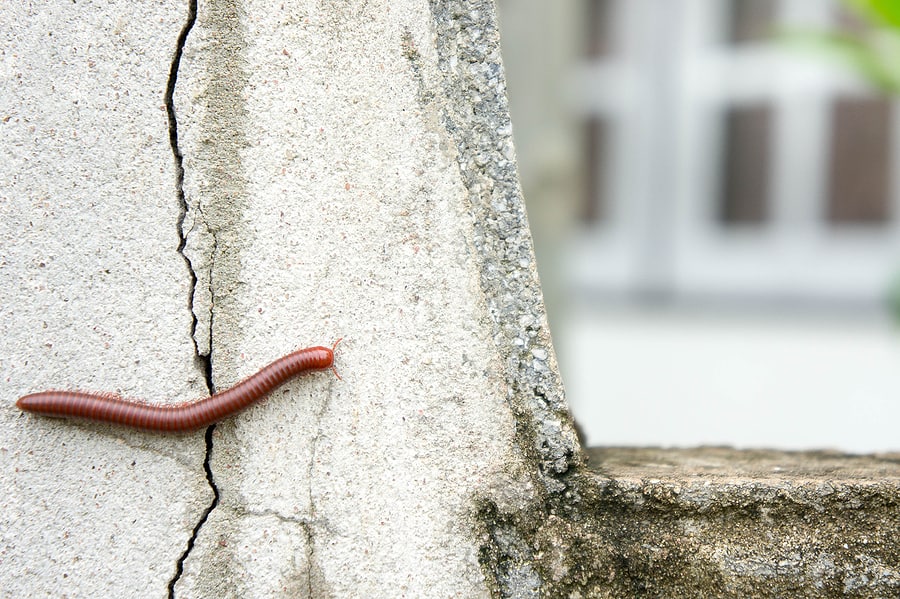
Look for small, brown or black bugs curling up when disturbed. You may see tiny trails of shed skin. Damp soil and decaying plant matter often have millipedes nearby. Notice clusters of millipedes in shady corners or under objects. Their presence may cause plants to wilt or decay faster.

Credit: www.youtube.com
Eliminate Moisture Sources
Millipedes thrive in damp places. Removing moisture reduces their chances of living near your home. Focus on areas that hold water or stay wet for long.
Stopping water buildup makes your yard less welcoming to millipedes. It also keeps plants healthy and soil balanced. Small changes can make a big difference.
Fixing Drainage Issues
Check your yard for spots where water pools after rain. These are perfect homes for millipedes. Clear blocked drains and gutters to help water flow away. Make sure downspouts direct water far from your house. Level low areas in the yard to prevent standing water.
Reducing Yard Watering
Water your lawn and plants only as needed. Overwatering creates wet soil, inviting millipedes. Water early in the morning so the ground dries during the day. Avoid watering late at night, which keeps soil damp longer. Use drip irrigation to target roots and reduce surface wetness.
Remove Organic Debris
Removing organic debris is a key step to get rid of millipedes outside. Millipedes like damp and dark places. Piles of leaves, mulch, and thick plants give them perfect homes. Clearing these areas makes your yard less inviting to them.
Cleaning organic debris also helps reduce moisture. Millipedes need moisture to survive. Less moisture means fewer millipedes around your home. Simple yard care can make a big difference in pest control.
Clearing Leaves And Mulch
Leaves and mulch hold moisture and shelter millipedes. Rake up fallen leaves regularly. Remove thick layers of mulch near your home walls. Keep mulch thin and dry. This stops millipedes from hiding close to your house. Dispose of leaves and old mulch far from your house.
Trimming Dense Vegetation
Dense plants trap moisture and block sunlight. Trim bushes and tall grass near your home. Cut back plants to allow air and light in. This dries the area and makes it less friendly to millipedes. Keep plants neat and spaced to reduce hiding spots.

Credit: maggiesfarmproducts.com
Use Natural Repellents
Using natural repellents is a safe and effective way to keep millipedes away. These repellents do not harm the environment or pets. They work by creating smells that millipedes dislike, making your garden or yard less inviting.
Natural repellents can be made at home with simple ingredients. They target millipedes without using harsh chemicals. This method helps maintain a healthy outdoor space.
Essential Oils That Work
Certain essential oils repel millipedes well. Peppermint oil is one of the best. Its strong scent confuses and deters millipedes. Tea tree oil also works by disrupting their sense of smell.
Eucalyptus oil keeps millipedes away too. It has a sharp, fresh aroma millipedes avoid. Lavender oil is another option. It smells nice to humans but bothers millipedes.
Homemade Spray Recipes
Make a spray by mixing essential oils with water. For one cup of water, add 10 drops of peppermint oil. Shake well and spray around doors, windows, and plants.
Another recipe uses soap and tea tree oil. Combine one teaspoon of mild soap with 10 drops of tea tree oil in one cup of water. Spray this on millipede-prone areas.
Use these sprays weekly to keep millipedes away naturally. Always test a small plant area first to avoid damage.
Apply Chemical Treatments
Applying chemical treatments can effectively reduce millipede populations outside your home. These treatments target millipedes directly and help keep them away from your garden and house walls. It is important to use the right pesticide and apply it safely to protect your family, pets, and plants.
Choosing The Right Pesticide
Select a pesticide labeled for millipede control. Look for products containing ingredients like bifenthrin, permethrin, or cyfluthrin. These chemicals work well against millipedes and other crawling insects. Always read the label to confirm it is safe for outdoor use. Avoid broad-spectrum pesticides that might harm beneficial insects and pollinators.
Choose a formulation that suits your needs. Granules are good for soil treatment, while sprays are better for walls and plant bases. Consider the size of the treated area and how easy the product is to apply.
Safe Application Tips
Wear protective gloves and a mask when handling pesticides. Avoid spraying on windy days to prevent drift. Keep children and pets away from treated areas until the pesticide dries. Apply the product around the foundation, garden beds, and other millipede hiding spots.
Do not overapply. Follow the label instructions for the correct amount and frequency. Clean your tools and hands after use. Store pesticides in a safe place out of reach of children and pets.
Set Up Physical Barriers
Setting up physical barriers is a strong way to keep millipedes outside your home. These barriers stop millipedes from entering and spreading around your property. They work by blocking the paths millipedes use. You can use simple materials to create these barriers. They also reduce the need for chemicals and sprays.
Sealing Entry Points
Seal cracks and gaps around doors and windows. Use weather stripping or caulk for small openings. Check vents, pipes, and foundation walls. Fill holes and crevices with foam or silicone. Sealing stops millipedes from crawling inside. Keep the seal tight and check it often.
Creating Millipede-free Zones
Clear leaves, mulch, and debris near your house. Millipedes love damp, dark places to hide. Remove wood piles and stones close to walls. Use gravel or sand as a dry barrier around your home. These zones make your property less inviting. Keep the area clean and dry to keep millipedes away.
Regular Yard Maintenance
Regular yard maintenance plays a key role in keeping millipedes away. Millipedes love damp, dark places with lots of debris. By keeping your yard clean and dry, you remove their favorite hiding spots. This lowers their numbers and stops them from moving closer to your home.
Routine Cleaning Practices
Clear dead leaves, grass clippings, and other yard waste often. These materials hold moisture and attract millipedes. Use a rake or leaf blower to keep the area tidy. Trim bushes and plants to improve air flow and reduce dampness. Store firewood and other items off the ground. This limits places where millipedes can hide.
Seasonal Prevention Strategies
Millipede activity changes with the seasons. In spring and fall, they look for moist places to live. Check your yard regularly during these times. Remove mulch and other materials near your house foundation. Use gravel or sand instead to reduce moisture. Fix leaks and improve drainage to keep soil dry. These steps make your yard less inviting to millipedes.
When To Call Professionals
Sometimes, millipedes outside become too many to handle alone. Knowing when to call professionals can save time and effort. Experts have tools and knowledge to remove millipedes safely and quickly. They help protect your home and garden from damage. Acting early can prevent bigger problems later.
Signs Of Severe Infestation
Large groups of millipedes appear around your home. They enter through cracks and damp places in walls. You see millipedes inside your basement or garage. Your plants or grass start to look unhealthy. You notice a strong, unpleasant smell near infested areas. These signs mean the problem is serious. Professional help is needed to stop the infestation.
What To Expect From Pest Control
Experts inspect your property carefully to find all entry points. They use safe and effective treatments to kill millipedes. The process may include spraying and sealing cracks. Professionals give advice on keeping millipedes away after treatment. Follow-up visits may be scheduled to ensure full control. Pest control saves time and provides long-term relief.
Credit: www.callnorthwest.com
Conclusion
Controlling millipedes outside takes patience and effort. Remove their hiding spots like damp leaves and mulch. Keep your yard clean and dry to stop them. Use natural repellents or barriers to keep millipedes away. Check your home’s foundation for cracks and seal them tight.
Regularly inspect your garden to catch problems early. Small steps add up to big results. Stay consistent, and your outdoor space will stay millipede-free. Simple habits make a big difference in pest control. Keep your yard safe and comfortable all year round.