Are silverfish insects invading your home and making you uncomfortable? You’re not alone—and the good news is, you can take control.
These tiny pests may seem harmless, but they can damage your books, clothes, and even your wallpaper. If you want to protect your space and get rid of silverfish for good, this guide is exactly what you need. Keep reading to discover simple, effective steps that will help you reclaim your home and keep these unwanted guests away.
Identify Silverfish Signs
Knowing how to identify silverfish signs helps you act fast. These small insects hide well and cause damage quietly. Spotting clues early can prevent bigger problems in your home. Here are key points to recognize silverfish presence.
Common Silverfish Habitats
Silverfish prefer dark, damp places. They hide in bathrooms, basements, and kitchens. Look behind sinks, under bathtubs, and near pipes. Paper and cardboard stacks are favorite spots. Check closets, drawers, and old books for signs.
Physical Traits Of Silverfish
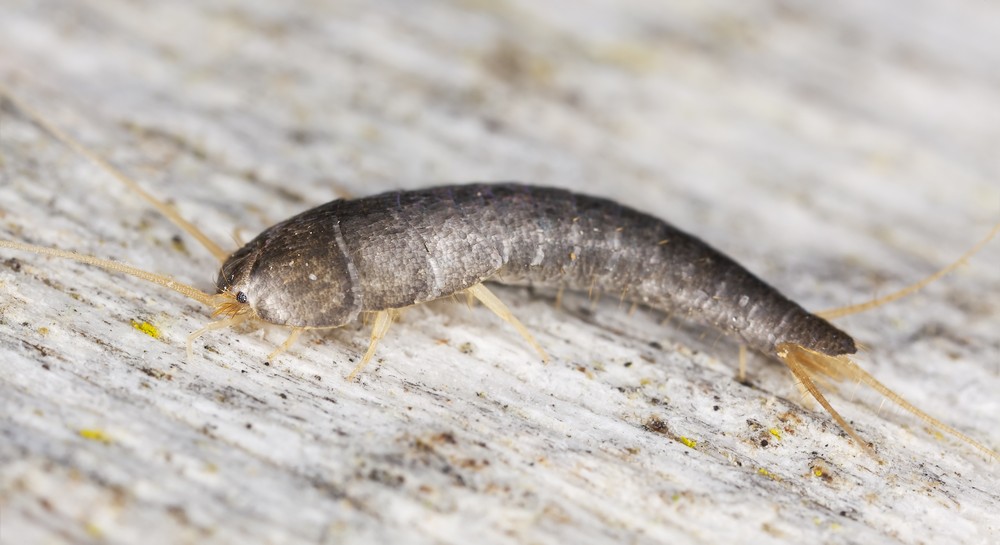
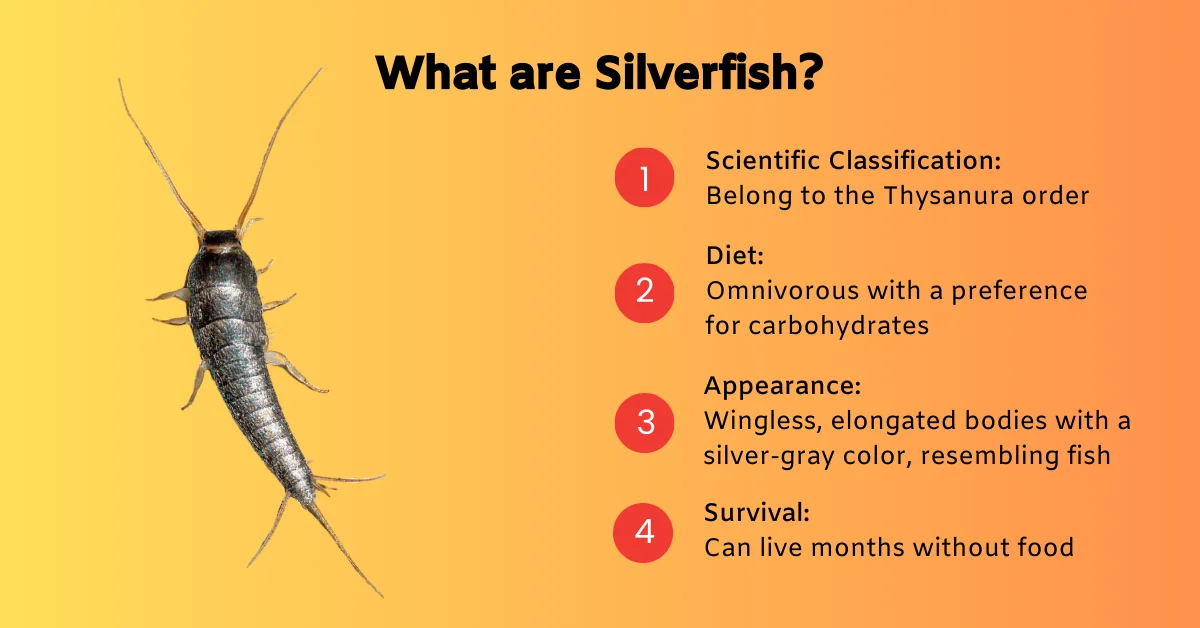
Silverfish are small, about 1 inch long. Their bodies are silver-gray and shiny. They move quickly with a fish-like wiggle. They have long antennae and three tail-like bristles. No wings, but they scurry fast.
Damage Caused By Silverfish
Silverfish eat starch and sugars found in paper and fabric. They damage books, wallpaper, and clothes. You may see small holes or yellow stains. Silverfish also leave tiny scales and droppings behind. These signs indicate their presence clearly.
Credit: www.pestdefence.co.uk
Prevent Silverfish Infestations
Preventing silverfish infestations is easier than removing them later. Taking early steps stops these insects from settling in your home. Small changes in your environment can make a big difference. Focus on key areas to keep silverfish away.
Reduce Moisture Levels
Silverfish love damp and dark places. Fix leaks in pipes and faucets quickly. Use a dehumidifier in basements and bathrooms. Keep air flowing by opening windows and doors. Dry wet areas like sinks and showers after use. Lower moisture to make your home less inviting.
Seal Entry Points
Silverfish enter homes through cracks and gaps. Check around windows, doors, and baseboards carefully. Use caulk or weather stripping to close openings. Repair torn screens on windows and vents. This keeps silverfish and other pests outside. Seal entry points tightly for best results.
Proper Food Storage
Silverfish feed on starchy and sugary items. Store cereals, flour, and dry goods in airtight containers. Keep pet food sealed and off the floor. Clean up crumbs and spills immediately. Avoid leaving food out overnight. Proper storage reduces silverfish food sources.
Natural Remedies For Silverfish
Natural remedies offer safe and effective ways to control silverfish. These methods avoid harsh chemicals and protect your home environment. Using natural ingredients can reduce silverfish populations gently and steadily.
Try these simple, proven solutions to keep silverfish away. They work well in most homes and require minimal effort.
Diatomaceous Earth
Diatomaceous earth is a fine powder made from fossilized algae. It damages silverfish’s outer shell, causing them to dry out and die. Sprinkle it in corners, behind furniture, and along baseboards. Keep the area dry for best results. It is safe for pets and humans but avoid inhaling the dust.
Essential Oils
Some essential oils repel silverfish naturally. Oils like lavender, cedarwood, and peppermint work well. Mix a few drops with water in a spray bottle. Spray around windows, doors, and dark places where silverfish hide. Repeat regularly to maintain protection. These oils also leave a fresh scent in your home.
Homemade Traps
Simple traps can catch silverfish effectively. Wrap a sticky tape around a jar or cup. Place a piece of bread or sugar inside as bait. Leave traps in dark, damp areas. Check traps daily and replace bait as needed. Traps help monitor and reduce silverfish numbers safely.
Chemical Treatments
Chemical treatments can help control silverfish infestations quickly. Using the right insecticides targets these pests directly. This method works best when combined with other control steps. Safety matters a lot when applying chemicals. Following instructions carefully keeps your family and pets safe.
Choosing The Right Insecticides
Select insecticides made for silverfish or crawling insects. Look for products with ingredients like boric acid, diatomaceous earth, or pyrethroids. These are effective and commonly available. Read labels to ensure they suit indoor use. Avoid harsh chemicals that may harm people or pets.
Safe Application Tips
Wear gloves and a mask when applying insecticides. Keep children and pets away from treated areas. Spray cracks, crevices, and baseboards where silverfish hide. Use only the amount recommended on the label. Ventilate rooms well after treatment. Clean tools and wash hands thoroughly afterward.
When To Call Professionals
Call pest experts if silverfish come back despite treatments. Large infestations need stronger, professional-grade solutions. Experts know how to find nests and treat hidden areas. They use safer methods for your home. Professionals also advise on preventing future infestations effectively.
Maintain A Silverfish-free Home
Keeping your home free of silverfish requires steady effort. These insects thrive in damp, dark places. To stop them, focus on cleanliness and control. A silverfish-free home means fewer worries and safer spaces.
Regular Cleaning Habits
Clean your home often. Dust and vacuum every corner, especially hidden spots. Remove food crumbs and paper scraps. These attract silverfish and give them places to hide. Keep bathrooms and kitchens dry and clean. Wipe up spills quickly to prevent moisture buildup.
Monitor For Recurring Infestations
Check your home regularly for signs of silverfish. Look in closets, under sinks, and behind furniture. Spotting them early helps stop infestations. Use sticky traps to catch and track their activity. Act fast if you see any silverfish or damage.
Seasonal Prevention Strategies
Silverfish prefer cool, damp conditions. In spring and fall, watch for changes in humidity. Use a dehumidifier to keep air dry inside. Seal cracks and crevices where silverfish can enter. Replace old weather stripping on doors and windows. These steps reduce their chance to invade your home.
Credit: trulynolenindia.com
Credit: www.youtube.com
Conclusion
Silverfish can be a tough pest to handle. Keep your home dry and clean to stop them. Seal cracks and remove food sources they like. Use traps or natural sprays to reduce their numbers. Stay patient and repeat treatments if needed.
Small steps make a big difference over time. Protect your home and enjoy a silverfish-free space.