Ticks in your dog’s ears can be more than just a nuisance—they can cause serious discomfort and health problems. If you’ve ever found yourself wondering how to get rid of ticks in your dog’s ears quickly and safely, you’re not alone.
These tiny pests can be hard to spot and even harder to remove. But don’t worry, this guide will give you simple, effective steps to protect your furry friend. Keep reading to learn how you can keep your dog comfortable and tick-free.
Identifying Ticks In Dog’s Ears
Ticks in a dog’s ears can cause pain and infections. Early identification is key to protecting your pet. Dogs often do not show clear signs at first. Careful checking helps catch ticks before they cause harm. Knowing what to look for and the types of ticks helps you act fast.
Common Signs Of Ear Ticks
Dogs with ticks in their ears may shake their heads often. Scratching at the ears is another common sign. You might see redness or swelling inside the ear. A bad smell can come from the ear if infected. Small black or brown spots can be visible. These spots may be the ticks or their droppings. Dogs might also tilt their heads or seem off balance. Watch for any changes in behavior or discomfort.
Types Of Ticks Affecting Dogs
Several tick types can attach to dogs’ ears. The brown dog tick is common and prefers warm places. Deer ticks are smaller but carry diseases like Lyme. Lone star ticks have a unique white spot on their backs. Each tick type can cause different health issues. Identifying the tick type can guide treatment choices. Removing the tick safely is important to prevent infections.

Credit: triangleanimalclinic.com
Risks Of Ticks In Ears
Ticks in a dog’s ears cause many problems. They stay hidden and feed on blood. This can harm your dog’s health quickly. Ticks are small but very dangerous. They can cause pain, itching, and infections.
Health Issues Caused By Ticks
Ticks can cause irritation and swelling inside the ear. This makes the dog scratch a lot. Scratching can lead to wounds and bleeding. These wounds may become infected and painful. Long-term tick bites can cause ear damage. Dogs may lose balance or shake their heads often.
Potential Infections
Ticks carry germs that cause infections. These germs enter the dog’s bloodstream through bites. Common infections include Lyme disease and ehrlichiosis. These diseases make dogs very sick. Symptoms include fever, tiredness, and joint pain. Ear infections from ticks can worsen if untreated. Early removal of ticks helps prevent these risks.
Safe Tick Removal Techniques
Removing ticks from a dog’s ears must be done carefully. Unsafe removal can hurt your dog or leave parts of the tick behind. Use safe tick removal techniques to protect your dog’s health. These methods help remove ticks fully and reduce infection risk. Follow clear steps and use the right tools for the job.
Tools Needed For Removal
Gather these tools before you start removing a tick:
- Fine-tipped tweezers or a tick removal tool
- Gloves to protect your hands
- Antiseptic solution or rubbing alcohol
- A small container or jar to save the tick
- Clean cloth or cotton balls
Step-by-step Removal Process
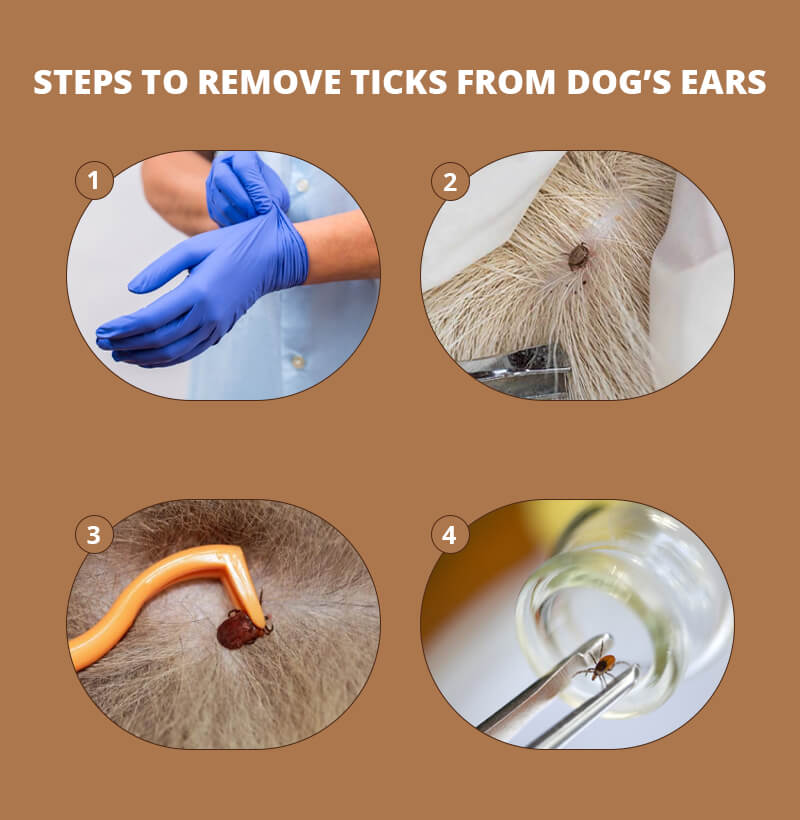
First, put on gloves to avoid contact with the tick. Use tweezers or a tick remover to grasp the tick close to your dog’s skin. Pull the tick straight out with steady, even pressure. Avoid twisting or squeezing the tick’s body. Place the tick in a container for identification or disposal. Clean your dog’s ear with antiseptic to prevent infection. Wash your hands and disinfect the tools after removal.
Precautions During Removal
Do not use bare fingers to remove ticks. Avoid crushing the tick’s body. Never use home remedies like burning or chemicals. These can harm your dog and increase infection risk. Watch for signs of infection after removal, like redness or swelling. Contact a vet if your dog shows unusual symptoms or seems unwell.
Home Remedies For Tick Control
Ticks in a dog’s ears cause discomfort and health risks. Removing them quickly is important. Home remedies offer safe and easy ways to control ticks without harsh chemicals. These methods can soothe your dog and help keep ticks away.
Natural Oils And Solutions
Some natural oils repel ticks effectively. Tea tree oil is one option. Dilute it with water before use. Apply gently around your dog’s ears. Lavender oil also works well and smells nice. Another choice is neem oil, known for its insect-repellent properties. A mix of apple cider vinegar and water can help too. Use a soft cloth to clean the ear area with this solution. These oils create a barrier ticks dislike.
Benefits And Limitations
Natural remedies are safe and easy to find. They avoid chemicals that might irritate your dog’s skin. Many owners prefer home remedies for this reason. These solutions can reduce tick presence if used regularly. Yet, they might not remove all ticks immediately. Some ticks need professional removal to prevent infection. Always check your dog’s ears after outdoor activities. Use home remedies as part of a regular tick control routine.
Preventing Future Tick Infestations
Preventing future tick infestations is key to keeping your dog healthy. Ticks can cause pain and spread diseases. Taking steps to stop ticks from returning protects your dog’s ears and overall well-being. Simple habits and products can reduce tick risks significantly.
Regular Ear Cleaning Routine
Clean your dog’s ears often to spot ticks early. Use a gentle ear cleaner made for dogs. Wipe inside the ears with a soft cloth or cotton ball. This removes dirt and makes ticks easier to find. Check for redness, swelling, or signs of ticks during cleaning. Consistent cleaning helps keep ears healthy and less inviting for ticks.
Tick Repellent Products
Use tick repellent products designed for dogs. Options include sprays, spot-on treatments, and collars. These products kill ticks or keep them away. Follow the instructions carefully for safe use. Choose products approved by veterinarians. Regular use creates a protective barrier that reduces tick bites.
Environmental Control Tips
Keep your yard tidy to lower tick presence. Mow the lawn regularly and remove leaf piles. Clear tall grasses and brush where ticks hide. Create a tick-free zone by placing wood chips or gravel around play areas. Avoid walking dogs in dense woods or tall grass. These steps reduce ticks near your home and protect your dog.

Credit: codiflex.com
When To See A Veterinarian
Ticks in your dog’s ears can cause pain and infections. Most tick removals at home are safe. Still, some signs mean your dog needs a vet’s care. Knowing when to visit the vet helps prevent serious problems. Watch your dog closely after removing a tick from the ear.
Signs Of Complications
Look for swelling or redness around the ear. If your dog scratches or shakes the head a lot, this shows discomfort. A bad smell or discharge from the ear can mean infection. If your dog acts tired or loses appetite, check with a vet. Bleeding or the tick’s mouth stuck in the skin needs expert help. Early action stops problems from growing worse.
Professional Treatment Options
Veterinarians can remove ticks safely without hurting your dog. They may clean the ear to stop infections. Sometimes, vets give medicine to kill ticks and germs. If the ear is very sore, pain relief may be given. Vets also check for diseases that ticks carry. Follow your vet’s advice for the best care and quick healing.
Credit: www.canadavetexpress.com
Conclusion
Ticks in your dog’s ears can cause serious problems. Act quickly to remove them safely and gently. Use proper tools and keep calm during the process. Check your dog’s ears regularly to stop ticks early. Clean the ears well after removal to avoid infection.
Keep your dog’s environment clean and tick-free. Regular vet visits help catch issues before they grow. Healthy ears mean a happier, more comfortable dog. Stay alert and protect your furry friend every day.