Is your dog scratching more than usual? Are you worried about tiny pests hiding in their fur?
Knowing if your dog has fleas is important for their comfort and health. Fleas can cause itching, allergies, and even serious infections. But how can you be sure your furry friend is dealing with these pesky bugs? You’ll learn simple and effective ways to spot fleas early.
Keep reading to protect your dog and keep your home flea-free.
Credit: www.thedodo.com
Common Flea Symptoms
Fleas cause many problems for dogs. These tiny pests bite and irritate the skin. Knowing the common flea symptoms helps you act fast. Catching fleas early stops serious discomfort and health issues.
Excessive Scratching
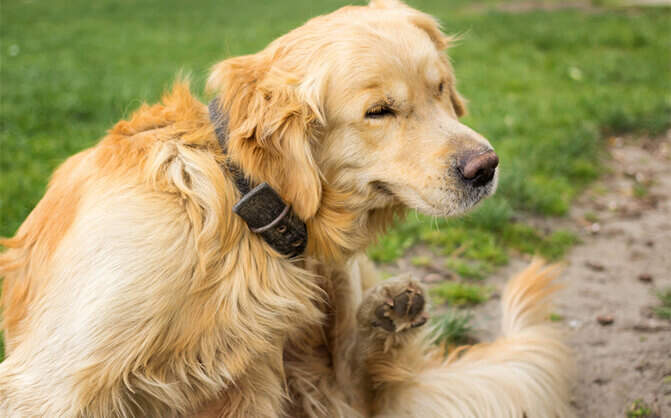
Dogs with fleas scratch more than usual. Their skin feels itchy and irritated. Scratching can happen at any time of day. Watch for constant pawing or rubbing against furniture.
Red And Irritated Skin
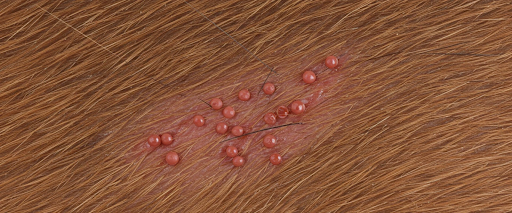
Flea bites cause red spots and swelling. The skin may look raw or inflamed. Check areas like the belly, neck, and tail base. These spots often become sore from scratching.
Hair Loss Patterns
Hair loss occurs in patches where fleas bite most. The fur thins or falls out completely in those spots. Look closely around the neck, chest, and near the tail. Hair loss shows your dog is uncomfortable and stressed.
Credit: www.happyhoundsgrooming.com
Checking Your Dog’s Fur
Checking your dog’s fur is a simple way to find out if fleas are present. Fleas hide well, but careful inspection can reveal signs. Regular checks help keep your dog healthy and comfortable. Use your hands and eyes to examine the fur closely.
Spotting Flea Dirt
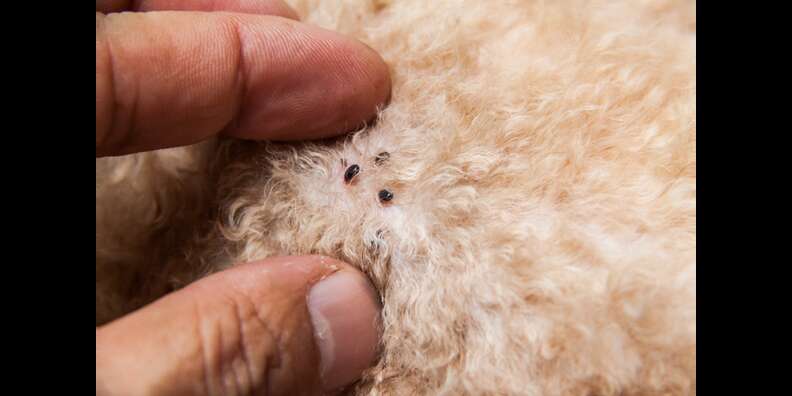
Flea dirt looks like small black or brown specks. It is actually flea poop made of dried blood. Check your dog’s skin and fur for these tiny spots. A clean white cloth helps to spot flea dirt easily. Rub the cloth on your dog’s fur and see if black specks appear.
Using A Flea Comb
A flea comb has very fine teeth to catch fleas and dirt. Run the comb through your dog’s fur slowly. Focus on the neck and tail areas. After combing, tap the comb on a white paper towel. Fleas or flea dirt will show up on the towel. Clean the comb often during the check.
Areas Fleas Prefer
Fleas like warm, hidden spots on your dog’s body. Check behind the ears, around the neck, and near the tail. Look under the legs and around the belly too. Fleas hide where your dog can’t easily scratch. These areas often have thinner fur, making fleas easier to find.
Behavioral Changes To Watch
Dogs with fleas often show changes in their behavior. These changes can help you spot a flea problem early. Watch your dog closely for signs that something is wrong. Small shifts in how your dog acts can mean fleas are causing discomfort.
Restlessness And Agitation
A dog with fleas may seem restless. It might pace or move a lot without reason. Your dog could seem irritated or unable to settle down. Fleas cause itching that makes dogs uncomfortable. This discomfort shows in constant movement and fussiness.
Licking And Biting
Dogs often lick or bite areas where fleas bite. Look for repeated licking or chewing on the skin. These spots are usually around the tail, neck, and belly. This behavior tries to relieve the itching and irritation. It can cause redness or sores on your dog’s skin.
Changes In Appetite
A flea infestation can affect your dog’s eating habits. Some dogs eat less because they feel stressed or itchy. Others may lose interest in food due to discomfort. Watch for sudden drops in appetite. It can be a sign your dog is dealing with fleas.
Flea Allergy Symptoms
Dogs with flea allergies react strongly to flea bites. Their skin becomes very sensitive. This causes several noticeable symptoms. Recognizing these signs helps you act quickly to ease your dog’s discomfort.
Severe Itching
Dogs with flea allergies scratch more than usual. The itching is intense and constant. Your dog may bite or lick its skin often. Watch for restlessness and scratching at odd times. This behavior can cause damage to the skin.
Hot Spots Development
Hot spots are red, moist patches on the skin. These sores form from constant scratching and licking. They can grow fast and become painful. Hot spots often appear on the neck, back, or near the tail. They need prompt treatment to heal properly.
Secondary Infections
Scratching can break the skin and invite infections. Bacteria may enter through these open wounds. Signs include swelling, pus, and bad odor. Your dog might have a fever or act tired. Secondary infections need veterinary care to stop spreading.
Preventive Measures
Preventive measures help keep your dog safe from fleas. These steps reduce the chance of fleas bothering your dog. A clean dog and home make a big difference. Using the right products also stops fleas early. Here are three key ways to prevent fleas on your dog.
Regular Grooming
Brush your dog often with a flea comb. This removes fleas and their eggs. Check your dog’s skin for red spots or bumps. Bathing your dog with flea shampoo helps kill fleas. Grooming also lets you find fleas before they spread.
Environmental Cleaning
Clean your dog’s bedding every week. Wash blankets and toys in hot water. Vacuum floors, carpets, and furniture daily. Fleas and eggs hide in these places. Dispose of vacuum bags or empty the canister outside. Keep your yard tidy by cutting grass and removing debris.
Flea Control Products
Use flea prevention products made for dogs. These include collars, sprays, and topical treatments. Follow instructions carefully for the best results. Some products protect for a month or longer. Talk to your vet about the safest choice for your dog.
Credit: www.adamspetcare.com
Conclusion
Watching your dog closely helps spot fleas early. Check their skin and fur for tiny bugs or black dots. Scratching or biting often signals discomfort from fleas. Treat your dog quickly to stop flea problems from growing. Keep your home clean to prevent fleas from returning.
Regular checks make sure your dog stays happy and healthy. Protect your pet with simple steps every day. Small actions make a big difference in flea control. Stay alert and care for your dog’s comfort.