Are you noticing tiny, fast-moving bugs in your home and wondering if they could be fleas? Fleas are more than just a nuisance—they can cause itchy bites and bring discomfort to you and your pets.
But how can you be sure your house actually has fleas before the problem gets worse? You’ll discover clear signs to look for and simple ways to confirm if fleas have made themselves at home. Keep reading, because spotting fleas early can save you from headaches and protect your family’s comfort.
Common Flea Habitats
Fleas hide in many places around your home. Knowing where they live helps you spot and stop them fast. Fleas need warmth, moisture, and places to hide. These conditions often exist in certain parts of your house and yard.
Indoor Hotspots
Fleas like to live where pets rest and sleep. Check pet beds, carpets, and rugs carefully. Sofas and chairs are common flea hiding spots too. Fleas also gather in cracks and crevices near floors. Dark, quiet areas like under furniture attract fleas. These spots give fleas shelter and easy access to hosts.
Outdoor Flea Zones
Fleas thrive in shaded, moist areas outside. Look under decks, porches, and bushes. Tall grass and leaf piles provide perfect flea homes. Fleas often stay near places where animals sleep outdoors. Avoid letting pets lie in these zones to reduce flea risk. Regular yard cleaning helps keep fleas away.
Physical Signs On Pets
Pets often show clear signs when fleas invade their space. Paying attention to these signs helps detect fleas early. Notice changes in your pet’s behavior and skin condition. Early detection prevents severe flea problems at home.
Scratching And Biting
Pets with fleas scratch their skin more than usual. They bite at certain spots to relieve itching. Scratching can cause redness and small wounds. Watch for restless behavior and repeated biting. These actions often signal flea irritation.
Visible Fleas And Flea Dirt
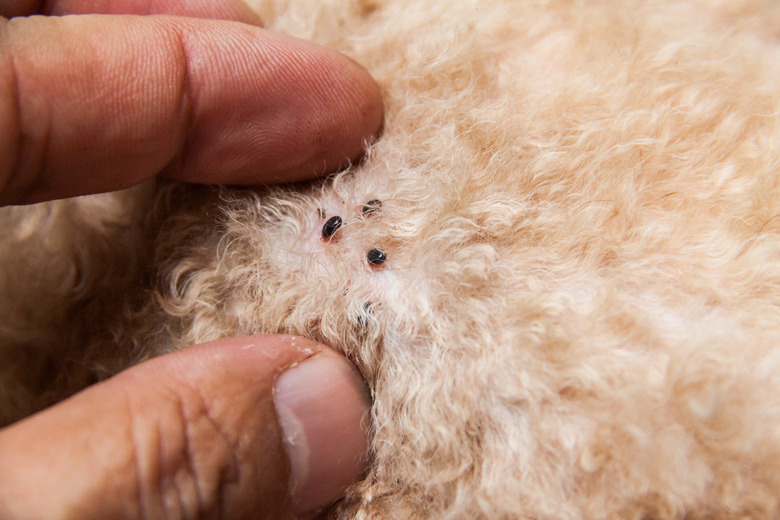
Fleas are tiny, dark brown, and fast-moving on fur. Use a fine-tooth comb to check your pet’s coat. Flea dirt looks like small black specks on the skin. It is flea feces, a sign of flea presence. Wet the specks; if they turn reddish, fleas are likely there.
Human Flea Bites
Human flea bites can be a clear sign of a flea problem in your home. These tiny pests do not only bite pets but also humans. The bites often cause itching and discomfort. Recognizing the bites quickly helps stop the fleas from spreading further. It is important to know where and how these bites appear on your body.
Typical Bite Locations
Flea bites usually happen on the lower legs and feet. Fleas prefer warm and moist skin areas. Bites can also appear around the waist and under the arms. Sometimes, bites show up on the ankles or behind the knees. These spots are easy for fleas to reach when you are sitting or sleeping.
Bite Appearance And Symptoms
Flea bites look like small red dots. They often appear in clusters or lines. The bites are usually very itchy and can cause swelling. A small red bump with a halo around it is common. Scratching may lead to skin infections. Some people feel pain or burning at the bite site. Allergic reactions are rare but possible.

Credit: www.youtube.com
Flea Behavior And Movement
Fleas are small but fast-moving insects that cause problems in homes. Understanding how fleas behave and move helps spot them early. Their quick jumps and hidden eggs make them tricky to find. Recognizing these signs is key to controlling flea infestations.
Jumping Fleas
Fleas do not fly or crawl slowly. They jump high and far. This movement helps them move between pets and humans quickly. You might see tiny dark bugs jumping on your pet’s fur or on carpets. Their jumps are sudden and fast, making them hard to catch.
Fleas use their strong legs to jump up to 8 inches vertically. This ability makes them excellent at spreading around your home. Watch for small, quick jumps near pet bedding and furniture. These are clear signs fleas are present.
Flea Eggs And Larvae
Fleas lay tiny white eggs on pets and in your home. Eggs fall off into carpets, cracks, and pet bedding. These eggs hatch into larvae that look like tiny worms. Larvae avoid light and hide deep in carpet fibers or cracks.
Larvae feed on organic debris and flea dirt left by adult fleas. They move slowly and stay out of sight. Finding flea eggs and larvae helps confirm an infestation. Check dark corners, baseboards, and under furniture for signs.
Inspecting Your Home
Inspecting your home is the first step to find fleas. Fleas hide in places where pets spend time. These pests can live in carpets, furniture, and cracks. Careful checking helps catch fleas early. This reduces bites and stops them from spreading.
Checking Carpets And Furniture
Look closely at carpets, especially near pet beds. Fleas leave tiny black specks called flea dirt. These specks turn red if wet, showing flea blood. Check under cushions and in corners of sofas. Use a flashlight to spot small moving fleas. Pay attention to areas pets rest or play.
Using Flea Traps
Flea traps attract fleas using light and heat. Place traps on the floor near suspected flea spots. Check traps at night when fleas are most active. You may see small jumping insects caught inside. Traps help confirm flea presence without chemicals. Use traps along with visual checks for best results.

Credit: pestcontrollersaustralia.mystrikingly.com
Preventive Measures
Preventive measures help keep fleas away from your home. These steps reduce the chance of fleas spreading. Regular care and attention protect your family and pets from discomfort and health risks.
Regular Cleaning Routines
Clean your house often to stop fleas from settling. Vacuum carpets, rugs, and furniture well. Throw away the vacuum bag or empty the container outside. Wash pet bedding and blankets in hot water weekly. Keep floors and corners free of dust and hair. Clean places where pets rest most. This removes flea eggs and larvae before they grow.
Pet Flea Treatments
Use flea treatments on your pets regularly. Choose products like flea collars, sprays, or spot-on treatments. Follow the instructions on the label carefully. Treat all pets in your home at the same time. Check pets for fleas often, especially after outside play. Healthy pets help keep your home flea-free.
Credit: www.sciencing.com
Conclusion
Finding fleas in your home can feel stressful. Act fast to stop their spread. Check pets, carpets, and furniture often. Use simple treatments to keep fleas away. Clean your house regularly to prevent problems. Stay alert for signs of flea activity.
Protect your family and pets from bites. Small steps make a big difference. Keep your home safe and flea-free.