Are millipedes creeping into your home and making you uncomfortable? You’re not alone, and the good news is, you can stop them before they take over.
These tiny creatures might seem harmless, but when they gather in large numbers, they can become a real nuisance. Imagine coming home to find your floors or walls crawling with millipedes—that’s a situation no one wants. You’ll discover simple and effective ways to prevent millipedes from invading your space.
Keep reading to protect your home and enjoy a millipede-free environment!
Millipede Habits
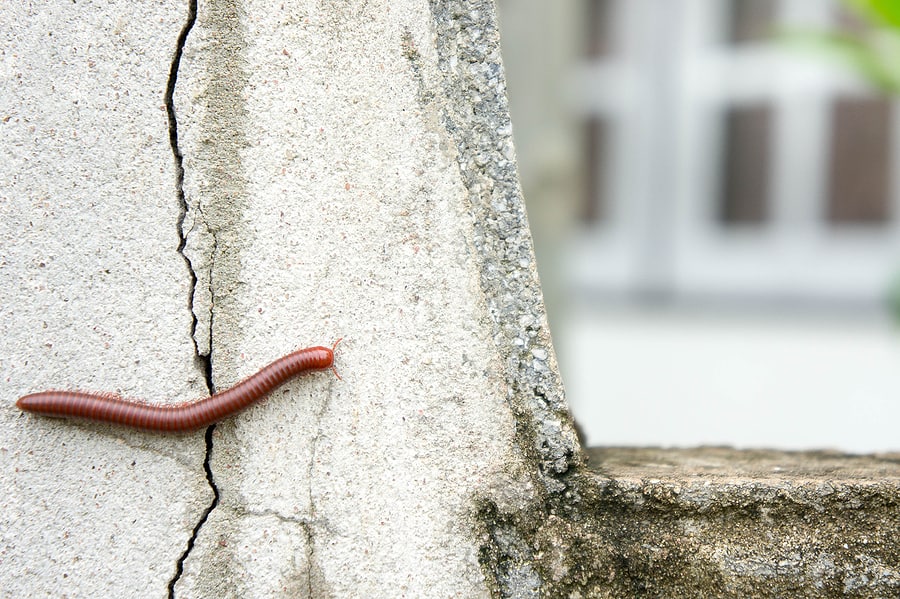
Millipedes are small, many-legged creatures that often surprise homeowners. Understanding their habits helps stop them from invading your space. These creatures prefer dark, damp places and feed on decaying plants. They move slowly and avoid light, which explains where they gather and why.
Where They Thrive
Millipedes like moist environments. They live under leaves, stones, and logs. Gardens and basements are common spots for them. They hide in soil with lots of organic material. Wet weather makes their numbers grow fast. Dry places and bright light keep them away.
What Attracts Them
Millipedes seek food and shelter. They are drawn to rotting plants and mulch. Wet soil attracts them more than dry soil. Cracks in walls and doors offer easy entry. Piles of leaves near your home invite them in. Removing these attractants limits their presence.
Home Inspection
Home inspection plays a key role in preventing millipedes. It helps find places where these pests enter your house. Early detection can stop a small problem from growing. Regular checks create a safer, cleaner home environment. Focus on areas where millipedes hide or get inside. This way, you reduce the chance of an infestation.
Common Entry Points
Millipedes enter through cracks and gaps in walls. Check doors and windows for loose seals or broken screens. Look for openings around pipes and vents. Basements and crawl spaces often have small holes. Keep an eye on areas where wood meets soil. Seal all these points to block their access.
Signs Of Infestation
Spotting millipedes early is important. Look for clusters of small, worm-like insects. They often gather in damp, dark places. Notice any strange musty smells or mold growth. Check for damage to plants or mulch near the house. These signs help catch infestations before they spread.
Outdoor Maintenance
Outdoor maintenance plays a big role in stopping millipedes from invading your home. These small creatures like damp, dark places. Keeping your yard clean and dry makes it less inviting for them. Simple steps outside can keep them far away.
Yard Cleanup
Remove leaves, grass clippings, and other yard debris often. Millipedes hide in piles of wet leaves and dead plants. Clear away wood piles and mulch near your home’s foundation. Trim bushes and tall grass to let sunlight in. A tidy yard leaves fewer places for millipedes to live.
Moisture Control
Fix leaks in outdoor faucets and irrigation systems quickly. Avoid overwatering your lawn and garden. Wet soil attracts millipedes. Use gutters and downspouts to direct water away from your home. Dry soil around your house discourages millipedes from coming close.
Indoor Prevention
Millipedes can sneak inside homes seeking moisture and shelter. Stopping them indoors helps keep your space clean and pest-free. Simple steps can block their entry and remove what they need to survive.
Sealing Cracks
Millipedes enter through small cracks and gaps in walls and floors. Check around doors, windows, and baseboards for openings. Use caulk or weatherstripping to seal these entry points tightly. Don’t forget areas near pipes and vents. A well-sealed home keeps millipedes out.
Reducing Humidity
Millipedes love damp places. Lower indoor moisture to make your home less inviting. Use a dehumidifier in basements and bathrooms. Fix leaks in plumbing and roof promptly. Increase ventilation by opening windows or using fans. Dry spaces discourage millipedes from staying indoors.
Natural Deterrents
Natural deterrents offer safe and effective ways to keep millipedes away. These methods use plants and oils that millipedes dislike. They work without harmful chemicals. Natural deterrents also support a healthy garden and home environment.
Essential Oils
Essential oils have strong scents that millipedes avoid. Peppermint oil is one of the best. It repels millipedes and other pests. Mix a few drops with water and spray around doors and windows. Tea tree oil and eucalyptus oil also work well. Use these oils regularly for the best effect.
Beneficial Plants
Certain plants naturally repel millipedes. Marigolds are a popular choice. They produce a smell that millipedes do not like. Lavender is another plant that keeps pests away. Plant these around your home’s foundation or garden edges. These plants add beauty while protecting your space.

Credit: maggiesfarmproducts.com
Chemical Treatments
Chemical treatments can help control millipede problems effectively. These treatments reduce millipede numbers quickly and create a barrier to keep them away from your home. Using chemicals safely protects your family and pets while managing pests.
Safe Pesticides
Choose pesticides labeled for millipedes and safe for home use. Look for products with ingredients like permethrin or cyfluthrin. These chemicals target millipedes but have low risk for humans and pets when used correctly.
Avoid broad-spectrum pesticides that harm beneficial insects. Use only the amount needed. Read and follow all label instructions carefully. This ensures safety and effectiveness.
Application Tips
Apply pesticides around the foundation of your house, focusing on cracks and entry points. Spray in moist areas where millipedes hide, such as under mulch or leaves. Avoid spraying directly on plants to prevent damage.
Use a sprayer for even coverage. Repeat applications as recommended on the label, usually every 7 to 14 days. Store pesticides in a safe place, away from children and pets.
When To Call Professionals
Millipedes can become a serious problem if they invade your home in large numbers. Sometimes, home treatments are not enough to control or remove them. Knowing when to call professionals helps protect your home and family. Experts have the right tools and knowledge to handle severe infestations safely and quickly.
Signs You Need Help
Seeing many millipedes inside your house is a clear sign. They often gather in damp, dark places like basements and bathrooms. If you find them spreading to other rooms, it shows the problem is growing.
Damage to plants or garden areas near your home can also indicate a big millipede presence. Persistent odors or a musty smell might signal a hidden infestation. If your home treatments do not reduce the millipede numbers, professional help is necessary.
Choosing An Exterminator
Pick a pest control company with experience in millipede removal. Check their reviews and ask for references. Make sure they use safe methods that protect your family and pets.
Ask about their process and guarantees. A good exterminator will inspect your home thoroughly before treatment. They should explain how they will prevent millipedes from returning.
:max_bytes(150000):strip_icc()/howtogetridofmillipedesandcentipedes_round2-308b1c2d37364c62b31102667bd1c4f0.png)
Credit: www.thespruce.com
Credit: www.callnorthwest.com
Conclusion
Preventing millipedes starts with keeping your home dry and clean. Seal cracks and remove leaf piles near your house. Use proper drainage to avoid standing water outside. Regularly check for signs of millipedes around doors and windows. Simple steps can stop them from entering your space.
Stay consistent with these habits for the best results. A millipede-free home is possible with a little effort. Keep your space safe and comfortable all year long.