Finding a tick on your cat can be worrying. You want to protect your furry friend, but the thought of removing a tick might feel scary or confusing.
Don’t worry—you’re not alone, and it’s easier than you think. You’ll learn simple, safe steps to remove ticks from your cat quickly and effectively. By the end, you’ll feel confident and ready to keep your pet healthy and tick-free. Keep reading to discover everything you need to know!
Credit: www.pdsa.org.uk
Identifying Ticks On Your Cat
Ticks are small parasites that attach to cats and feed on their blood. These pests can cause health problems if not removed quickly. Knowing how to identify ticks on your cat is the first step to protecting your pet.
Ticks are often hard to spot because they blend with your cat’s fur. Checking your cat regularly helps catch ticks early. Pay close attention during and after outdoor activities.
Common Tick Locations
Ticks like warm, hidden spots on your cat’s body. Check around the ears, especially behind them. The neck and under the collar are common places too. Look between the toes and under the legs. Ticks may also hide near the tail base and around the eyes.
Signs Of Tick Infestation
Watch for small bumps or dark spots on your cat’s skin. Your cat may scratch or bite certain areas more often. Look for redness or swelling where a tick might be attached. Some cats show signs of tiredness or loss of appetite. These can be signs of a tick problem. Early detection helps prevent serious illness.
Preparing For Tick Removal
Removing ticks from your cat requires careful preparation. A calm and safe environment helps reduce stress for your pet. Being ready with the right tools makes the process smooth and quick.
Gathering Necessary Tools
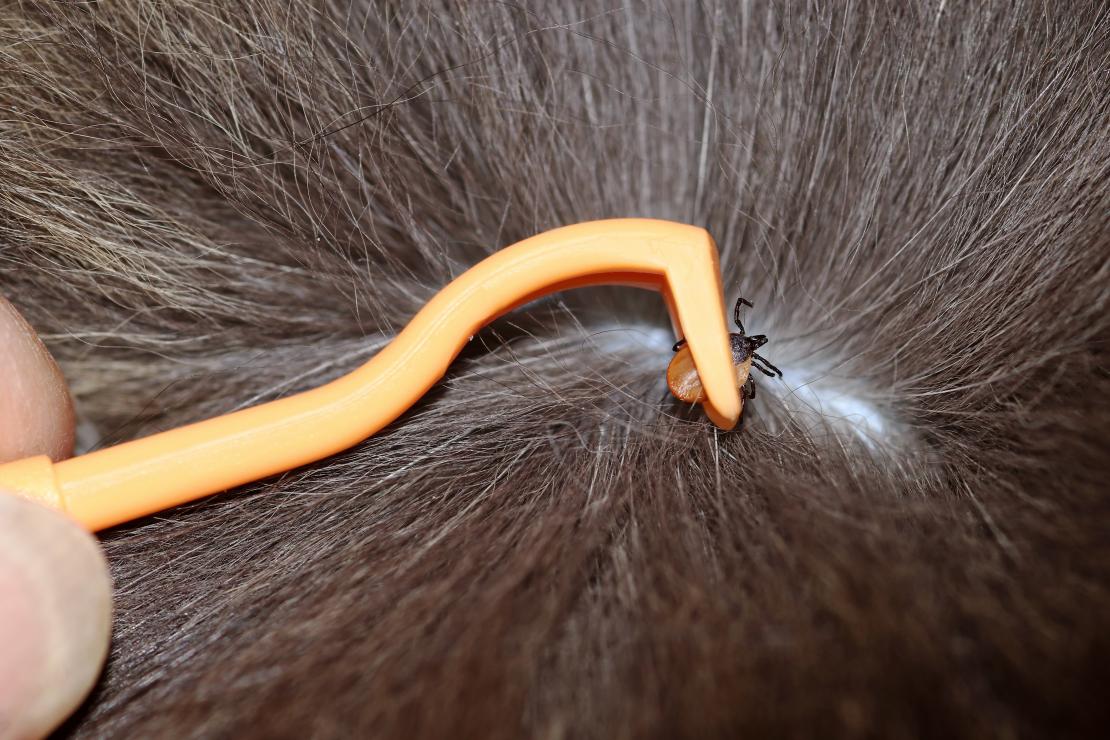
Start by collecting all tools before you begin. You need fine-tipped tweezers or a tick removal tool. Have gloves to protect your hands from germs. Keep antiseptic wipes or rubbing alcohol nearby. Prepare a small container or sealed bag to store the tick. A flashlight helps you see the tick clearly. Having everything ready avoids rushing or mistakes.
Choosing A Safe Area
Pick a quiet spot where your cat feels safe. A well-lit area helps you spot ticks easily. Use a soft towel or blanket to keep your cat still. Avoid places with loud noises or distractions. This reduces your cat’s fear and movement. A calm cat makes tick removal easier and safer.
Step-by-step Tick Removal
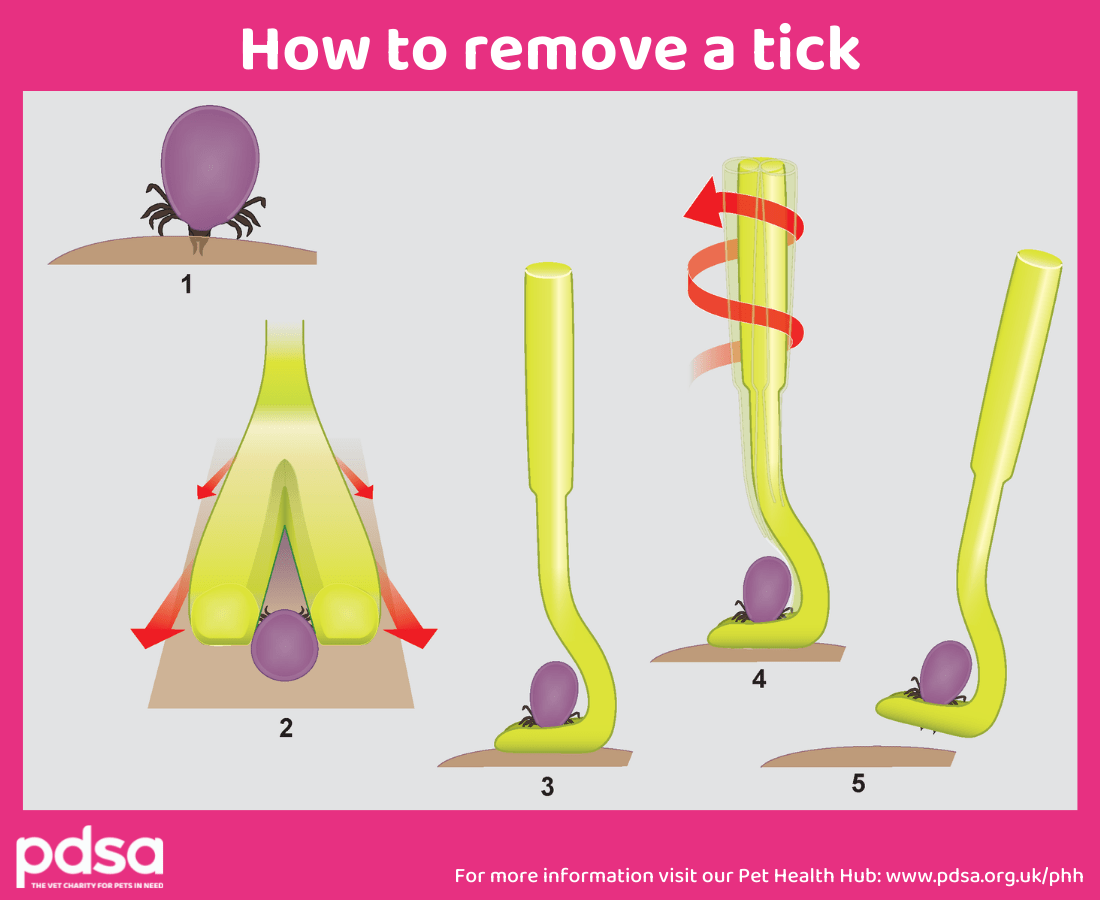
Removing a tick from your cat requires care and attention. Acting quickly helps prevent infections. Follow these clear steps to remove ticks safely. Keep your cat calm during the process.
Using Tweezers Correctly
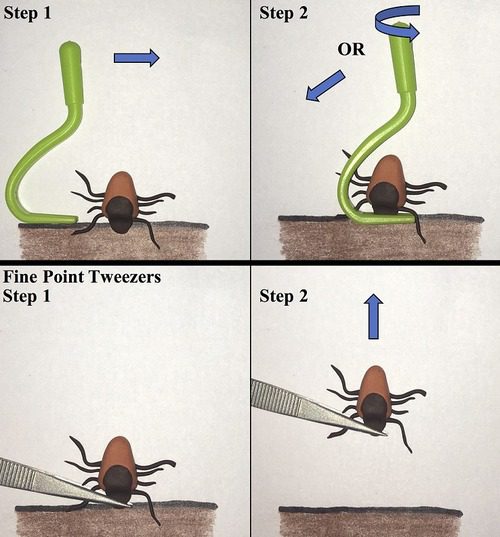
Choose fine-tipped tweezers for the best grip. Hold the tweezers close to your cat’s skin. Avoid squeezing the tick’s body. Grasp the tick’s head or mouth parts firmly.
Removing The Tick Gently
Pull the tick straight out with steady pressure. Do not twist or jerk the tick. Slowly lift the tick away from the skin. Check if the entire tick is removed.
What To Avoid During Removal
Do not crush the tick with your fingers. Avoid using heat or chemicals on the tick. Never leave tick parts inside the skin. Do not delay removal once you spot a tick.
Credit: yourpetandyou.elanco.com
Aftercare For Your Cat
After removing a tick from your cat, proper care is important. It helps prevent infections and keeps your cat comfortable. Watch your cat closely for any changes in behavior or skin condition. Clean the bite area gently to avoid irritation. This section explains how to care for your cat after tick removal.
Cleaning The Bite Area
Use a clean cloth or cotton ball with warm water and mild soap. Gently clean the spot where the tick was attached. Avoid scrubbing, which can cause more irritation. Pat the area dry with a soft towel. You can apply a small amount of antiseptic cream to reduce infection risk. Avoid using strong chemicals or alcohol, as they may hurt your cat’s skin.
Monitoring For Infection
Check the bite area daily for redness or swelling. Look for pus or any unusual discharge. Watch for your cat scratching or licking the spot often. Keep an eye on your cat’s overall health. Signs like fever, loss of appetite, or lethargy may mean infection. Contact your vet if you notice any of these symptoms. Early treatment can prevent serious problems.
Preventing Future Tick Bites
Preventing future tick bites is key to keeping your cat safe and healthy. Ticks carry diseases that can harm your pet. Stopping ticks before they bite helps avoid health problems. Regular care and the right products protect your cat well.
Tick Prevention Products
Several products can help stop ticks from biting your cat. Spot-on treatments are easy to apply and work for weeks. Tick collars offer long-lasting protection and are simple to use. Oral medications kill ticks quickly after they bite. Choose products made for cats only. Always follow the instructions on the label carefully.
Regular Grooming Tips
Grooming your cat often helps find ticks early. Use a fine-toothed comb to check the fur. Look closely around the ears, neck, and under the legs. Bathing your cat with tick-repellent shampoo can reduce ticks. Keep your cat’s fur clean and free of debris. Regular grooming strengthens your bond and keeps your cat healthy.
When To See A Veterinarian
Knowing when to visit a veterinarian is key after finding a tick on your cat. Not all tick bites cause problems, but some do. Watching your cat closely after removal helps keep it safe. Watch for any unusual signs or changes in behavior.
Signs Of Tick-related Illness
Ticks can spread diseases to cats. Look for fever, loss of appetite, or tiredness. Swelling or redness around the bite may appear. Your cat might scratch or lick the area a lot. Limping or joint pain can also show infection. If you see any of these signs, contact your vet quickly.
Professional Tick Removal Options
Some ticks burrow deeply and are hard to remove. Vets use special tools to take out ticks safely. They check for infection or illness after removal. Sometimes, vets give medicine to fight infections. A professional visit ensures your cat stays healthy and pain-free.
Credit: lincolnwayvet.com
Conclusion
Removing ticks from your cat is important for its health. Use tweezers to grasp the tick close to the skin. Pull it out slowly and steadily. Clean the area with antiseptic afterward. Watch your cat for any signs of illness.
Regular checks help catch ticks early. Keeping your cat safe and tick-free takes care and patience. You can protect your pet with simple steps every day. Stay calm and gentle during the process. Your cat will thank you with a happy purr.