Ticks on your dog are more than just a nuisance—they can put your furry friend’s health at serious risk. If you’ve ever felt that uneasy tickle and found a tiny, unwanted hitchhiker on your dog’s skin, you know how urgent it is to act fast.
But how do you get rid of ticks safely and effectively? You’ll discover simple, proven steps to protect your dog from these pests. Keep reading to learn exactly what to do and keep your best friend happy and healthy.
Identifying Ticks On Dogs
Knowing how to spot ticks on your dog is the first step to protecting them from these pesky parasites. Ticks are small, but their impact on your dog’s health can be huge. Learning to identify ticks quickly can save your pet from discomfort and serious diseases.
Common Tick Species
Ticks come in different types, and some are more common in certain areas than others. The deer tick is notorious for spreading Lyme disease and is usually small and reddish-brown. The dog tick is larger, often grayish, and can transmit Rocky Mountain spotted fever.
You might also encounter the lone star tick, which has a distinctive white spot on its back. Knowing these species helps you understand the risks and the urgency needed when you find one on your dog.
Signs Of Tick Infestation
Ticks don’t always scream for attention, so you need to know the subtle signs. If your dog is scratching or biting a particular spot more than usual, it might be a tick hiding there. You may also notice small red bumps or scabs where ticks have bitten.
Sometimes ticks cause mild swelling or irritation that you might miss unless you check closely. Does your dog seem more tired or less interested in playing? These could be signs of tick-borne illnesses starting to affect them.
Areas To Check On Your Dog
Ticks prefer warm, hidden places on your dog’s body. Start by feeling around the ears, especially inside and behind them. Check under the collar area, where ticks can easily latch on unnoticed.
Don’t forget to inspect between the toes, around the tail base, and under the legs. These spots are common because the skin is thinner and harder for your dog to reach. Getting into the habit of a thorough, regular check can catch ticks before they become a problem.
Tools For Tick Removal
Removing ticks from your dog requires the right tools to do the job safely. Using proper equipment helps take the tick out quickly and reduces the chance of infection. Having these tools ready makes the process smooth and less stressful for your pet.
Tick Removal Tools
Tick removal tools are made specifically to grab the tick close to the skin. Tick tweezers and tick hooks are common tools. They help pull the tick out without squeezing its body. This lowers the risk of germs entering your dog’s skin. These tools are easy to use and clean after each use.
Household Items That Work
You can use some household items if you don’t have special tick tools. Fine-tipped tweezers work well to pull the tick out. Make sure the tweezers grab the tick near the dog’s skin. Avoid using your fingers to prevent spreading germs. Clean the tweezers with alcohol before and after use.
Safety Gear For Protection
Protect yourself while removing ticks. Wear gloves to keep your hands safe from tick bites and germs. Disposable gloves are best for one-time use. Have antiseptic wipes ready to clean your dog’s skin after removal. Wash your hands well, even if you wore gloves.
Step-by-step Tick Removal
Removing ticks from your dog quickly and safely is important. Ticks can cause infections and spread diseases. Follow these clear steps to remove ticks properly. Stay calm and careful throughout the process. This helps protect your dog’s health and comfort.
Preparing Your Dog
Find a quiet place to work on your dog. Keep your dog still and calm. Use treats to help your dog relax. Wear gloves to protect yourself. Have tweezers or a tick removal tool ready. Check the area around the tick carefully. Good lighting helps you see the tick well.
Proper Tick Grasping Technique
Use fine-tipped tweezers or a special tick tool. Grasp the tick as close to the dog’s skin as possible. Avoid squeezing the tick’s body. Hold the tick firmly but gently. Do not twist or jerk the tick. This stops parts of the tick from breaking off.
Safe Extraction Process
Pull the tick straight out slowly and steadily. Keep pulling until the tick releases its hold. Do not crush the tick’s body. Place the tick in a sealed container or flush it down the toilet. Clean the bite area with soap and water. Wash your hands thoroughly after removal.
Aftercare For The Bite Area
Apply an antiseptic to the bite site. Watch for redness, swelling, or irritation. Avoid your dog scratching or licking the area. Check your dog daily for signs of illness. Contact your vet if you notice fever, lethargy, or loss of appetite. Early care helps prevent infections and complications.

Credit: www.youtube.com
Preventing Future Tick Infestations
Preventing future tick infestations on your dog is very important. Ticks can cause serious health problems. Keeping ticks away means your dog stays safe and healthy. You can use several methods to stop ticks from returning. These include using products, controlling the environment, and regular grooming. Each step helps reduce the risk of tick bites.
Tick Prevention Products
Choose tick prevention products made for dogs. These include collars, spot-on treatments, and oral medications. Tick collars work by releasing chemicals that repel ticks. Spot-on treatments go on the skin and kill ticks on contact. Oral medications enter the bloodstream and kill ticks after they bite. Consult your vet for the best product for your dog’s size and age.
Environmental Control Tips
Ticks live in tall grass and bushes. Keep your yard clean by mowing the lawn regularly. Remove leaf piles and clear brush where ticks hide. Create a tick-free zone by placing wood chips or gravel between your yard and wooded areas. Avoid walking your dog in tick-infested places like tall grass. These steps make your dog’s environment safer from ticks.
Regular Grooming Habits
Check your dog’s fur every day for ticks. Use a fine-toothed comb to find and remove ticks early. Bathing your dog with tick-repellent shampoo helps kill ticks on the skin. Keep your dog’s coat clean and trimmed to spot ticks faster. Regular grooming lowers the chance that ticks will stay on your dog for long.
When To See A Veterinarian
Knowing when to see a veterinarian is important for your dog’s health. Ticks can cause serious problems if not treated properly. Some signs mean your dog needs professional care right away. Other situations require expert help to keep ticks under control.
Signs Of Infection Or Illness
Watch for redness, swelling, or pus around the tick bite. Your dog may lick or scratch the area often. Fever, tiredness, or loss of appetite can also appear. These signs show infection or illness from tick bites. A vet can diagnose and treat these problems quickly.
Persistent Or Multiple Ticks
Finding many ticks on your dog is a warning sign. Also, ticks that stay attached after removal attempts need attention. Persistent ticks increase the risk of disease. A vet can help remove ticks safely and suggest treatments to prevent more.
Professional Tick Removal Options
Veterinarians use special tools and techniques for tick removal. They ensure the entire tick is taken out to avoid infection. They may also give your dog medicine to kill ticks and protect against diseases. Visiting a vet is the safest choice for heavy tick infestations.
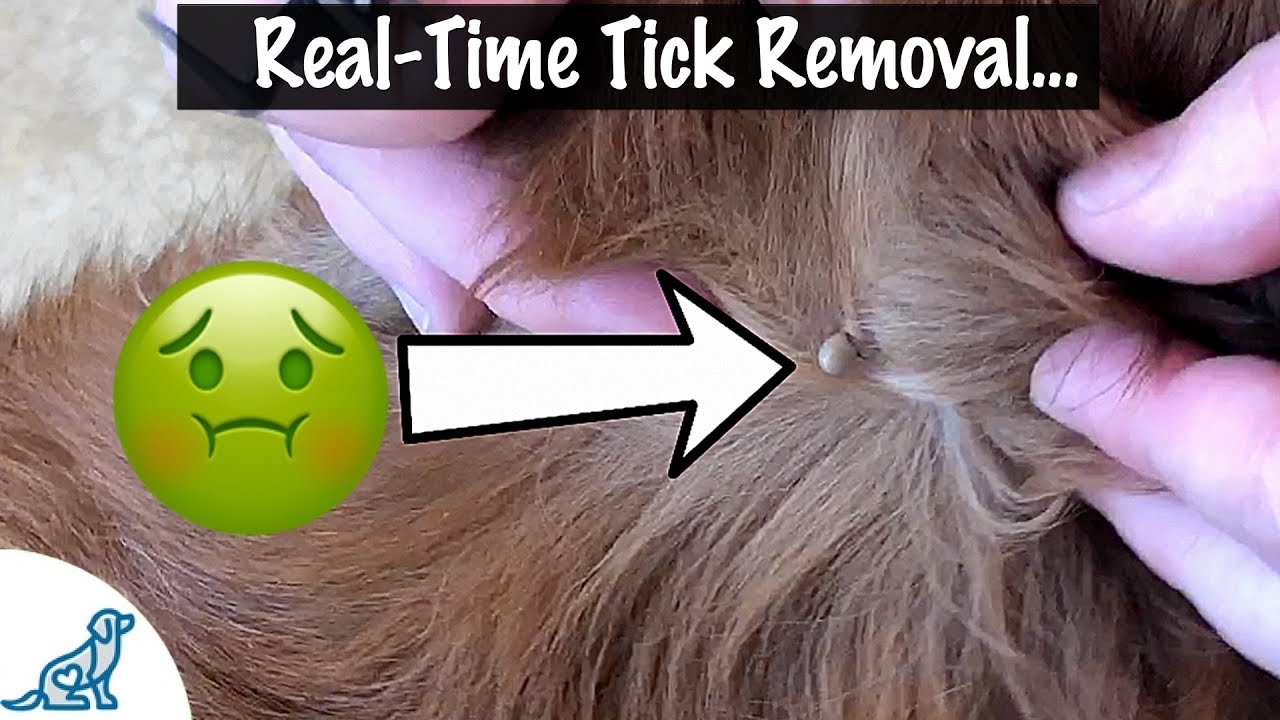
Credit: www.youtube.com

Credit: www.horseandhound.co.uk
Conclusion
Keeping ticks off your dog protects their health and comfort. Regular checks help find ticks early. Use safe removal tools and methods to avoid harm. Clean your dog’s environment often to reduce tick risks. Staying consistent with prevention keeps your dog happy and safe.
Small steps make a big difference in tick control. Protect your furry friend with care and attention every day.