Are you tired of finding earwigs crawling around your home? These small, creepy insects can be more than just a nuisance—they can make you feel uncomfortable and worried about your living space.
The good news is, you don’t have to let earwigs take over. You’ll discover simple and effective ways to stop earwigs from coming into your house. By the time you finish reading, you’ll have easy steps to protect your home and keep these unwanted guests out for good.
Keep reading to take back control of your space!

Credit: www.environmentalpestcontrol.ca
Why Earwigs Enter Homes
Earwigs are small insects that often find their way into homes. Understanding why they enter can help prevent them from becoming a problem. These insects seek shelter and food, especially during certain times of the year. Knowing their reasons helps in stopping them effectively.
Common Entry Points
Earwigs enter homes through tiny cracks and gaps. They can crawl under doors or through window screens. Vents and openings around pipes are also easy access points. Checking these areas can reduce their chances of coming inside.
Attracting Factors Indoors
Moisture and food crumbs attract earwigs inside. They like damp places such as basements and bathrooms. Dark, cluttered areas also invite them to hide. Keeping these places dry and clean helps keep earwigs away.
Preventive Home Maintenance
Preventive home maintenance plays a key role in keeping earwigs outside. These insects like damp, dark places and small openings. Fixing common entry points and managing moisture can stop them from entering your home. Simple steps can make a big difference in your home’s protection.
Sealing Cracks And Gaps
Earwigs enter through tiny cracks and gaps around doors, windows, and walls. Check your home’s exterior for these openings. Use caulk or weatherstripping to seal them tightly. Pay attention to areas near pipes and vents. A well-sealed home blocks earwigs and other pests.
Improving Drainage And Moisture Control
Earwigs need moisture to survive. Poor drainage creates wet areas where they thrive. Clear gutters and downspouts to direct water away from your home. Fix leaky pipes and faucets promptly. Use dehumidifiers in damp rooms to reduce indoor moisture. Dry environments discourage earwigs from settling indoors.
Yard And Garden Management
Managing your yard and garden helps keep earwigs away from your home. These pests like damp, dark places. They hide under leaves, mulch, and plants near your house. Taking care of your outdoor space lowers the chance of earwigs entering inside.
Removing Debris And Mulch
Clear away leaves, grass clippings, and old mulch near your home’s foundation. Piles of debris create perfect hiding spots for earwigs. Keep mulch thin and dry. Wet and thick mulch attracts more pests. Regular cleanup reduces places where earwigs can live and breed close to your house.
Trimming Vegetation Near Walls
Cut back plants and bushes that touch or are very close to your walls. Plants near the house provide a bridge for earwigs to enter inside. Keep branches and leaves at least a few inches away from your siding. This helps block their path and keeps your home safer from these insects.
Natural Repellents And Barriers
Natural repellents and barriers offer safe ways to keep earwigs out of your home. They avoid harsh chemicals and protect your family and pets. These methods work by making your home less inviting or physically blocking earwigs from entering.
Using natural options can be simple and effective. You can apply essential oils or set up barriers to stop earwigs. These solutions are easy to maintain and use everyday materials.
Using Essential Oils
Essential oils have strong smells that earwigs dislike. Oils like peppermint, tea tree, and lavender repel earwigs naturally. Mix a few drops with water in a spray bottle. Spray around doorways, windows, and corners where earwigs enter.
Repeat every few days or after rain. This keeps the scent fresh and continues to repel. Essential oils are safe and add a nice fragrance to your home.
Setting Up Physical Barriers
Physical barriers block earwigs from crawling inside. Seal cracks and gaps around doors, windows, and walls with caulk. Use door sweeps on exterior doors to close gaps underneath. Place sticky traps near entry points to catch earwigs.
Remove piles of leaves or mulch close to your house. Earwigs hide in damp, dark places. Keeping these areas clean reduces their chances of coming inside.
Effective Trapping Methods
Trapping earwigs is a practical way to reduce their numbers inside your home. Traps help catch these pests before they spread. Using traps can lower the need for chemicals and keep your space safer. There are easy methods to make traps at home and ready-made options to buy.
Diy Traps
Making your own earwig trap is simple and cost-effective. Use a small container like a jar or a cup. Place some damp newspaper or cardboard inside. Earwigs like dark, moist places, so this attracts them. Set the trap near areas where you see earwigs. Check and empty the trap daily. Repeat until earwigs stop appearing.
Commercial Trap Options
Commercial traps offer a ready solution to catch earwigs. These traps often use bait that attracts earwigs quickly. Some traps have sticky surfaces to hold the pests in place. Place traps around windows, doors, and damp corners. Follow package instructions for best results. Change traps regularly to maintain effectiveness.
Chemical Control Options
Chemical control options can help reduce earwig problems in your home. These methods use pesticides to kill or repel earwigs. Use chemicals carefully to protect your family and pets. Choose the right products and apply them properly. This section covers safe pesticides for indoor use and how to apply treatments outdoors.
Safe Pesticides For Indoor Use
Choose pesticides labeled safe for indoor use. Look for products with low toxicity to humans and pets. Spray in cracks, crevices, and dark corners where earwigs hide. Avoid spraying on surfaces that touch food or children’s toys. Always follow label instructions. Use only the amount needed to control earwigs.
Applying Treatments Outdoors
Apply pesticides around the house foundation and garden. Focus on damp areas, mulch, and leaf piles where earwigs live. Treat during the evening or early morning when earwigs are active. Avoid spraying plants directly unless the pesticide label allows it. Keep chemicals away from water sources to protect the environment.
Routine Monitoring And Cleanup
Routine monitoring and cleanup play a key role in keeping earwigs out of the house. These insects like dark, damp places and can sneak inside unnoticed. Regular checks and cleaning reduce their hiding spots and food sources.
With a steady routine, you spot early signs of earwigs. You stop infestations before they grow. Simple habits can make a big difference in your home’s defense.
Regular Inspections
Inspect your home often, especially in basements and closets. Look behind furniture and under sinks. Check cracks and crevices where earwigs hide. Use a flashlight to see dark corners well.
Inspect outside areas too. Check around doors and windows for gaps. Look near plants and mulch close to the house. Remove any debris that could shelter earwigs.
Maintaining Cleanliness To Deter Earwigs
Keep your home clean to remove food and moisture. Wipe spills and crumbs immediately. Store food in sealed containers to avoid attracting insects.
Fix leaks and reduce dampness inside. Use dehumidifiers if needed. Clean up piles of leaves and grass clippings around your house. Clear clutter from basements and garages to reduce hiding places.
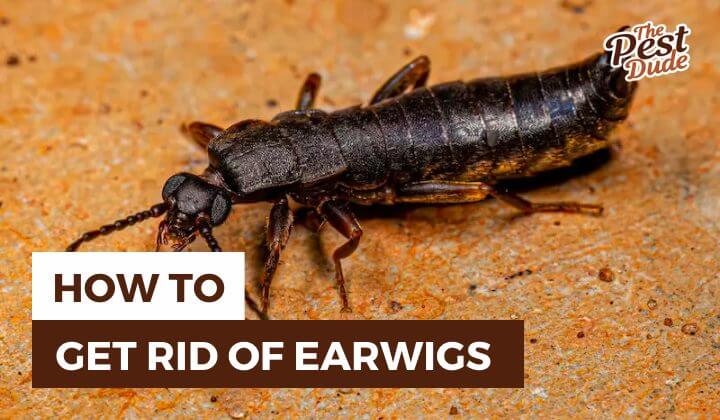
Credit: pestdude.com

Credit: www.budget101.com
Conclusion
Stopping earwigs from entering your home is simple and effective. Keep your house dry and clean to avoid inviting them in. Seal cracks and gaps to block their entry points. Remove piles of leaves or wood near your walls. Use traps or natural repellents to reduce their numbers.
Regular checks help catch problems early. These steps protect your home and bring peace of mind. A little effort goes a long way in keeping earwigs out. Stay consistent, and your home stays earwig-free.