Are you tired of finding your garden plants full of holes or damaged leaves? Earwigs might be the hidden culprits eating away at your hard work.
These small insects can quickly turn your beautiful plants into a mess, leaving you frustrated. But don’t worry—you can take simple steps to protect your garden and stop earwigs from causing more damage. Keep reading to discover effective, easy-to-follow tips that will help you save your plants and enjoy a healthier, thriving garden.
Credit: gregalder.com
Earwig Damage On Plants
Earwigs can cause real harm to your garden plants. These small insects eat leaves and flowers, leaving holes and ragged edges. Their feeding can weaken plants, making them less healthy and less beautiful. Understanding the damage helps protect your plants effectively.
They often feed at night and hide during the day, which makes spotting them tricky. Early signs of damage can save your plants from serious harm.
Signs Of Earwig Infestation
Look for small, irregular holes on leaves and petals. Leaves may appear chewed or have torn edges. You might see slimy trails or dark spots from earwig droppings. Wilting or damaged flowers are also common. Finding earwigs themselves, especially under pots or debris, confirms their presence.
Plants Most At Risk
Earwigs prefer tender and soft plants. Vegetables like lettuce, spinach, and beans are easy targets. Flowering plants such as dahlias, chrysanthemums, and roses often suffer damage. Young seedlings and new growth are vulnerable. Plants with dense foliage can hide earwigs, increasing risk.
Earwig Behavior And Habitat
Understanding earwig behavior and habitat helps protect plants effectively. These insects prefer dark, damp places. They avoid bright light and dry areas. Knowing where they live and eat guides pest control efforts.
Where Earwigs Hide
Earwigs hide in moist, cool spots during the day. They like under rocks, mulch, and leaf piles. Garden debris and cracks in walls are common shelters. These spots keep them safe from predators and sunlight.
At night, earwigs come out to feed. They move quickly across soil and plants. Hiding places near gardens increase the chance of plant damage.
Feeding Habits
Earwigs eat both plants and insects. They chew on leaves, flowers, and fruits. They prefer soft, tender parts of plants. Damaged plants show holes or ragged edges.
Sometimes, earwigs help by eating other pests. But their plant feeding often causes harm. Knowing their diet helps control them before damage grows.
Natural Deterrents For Earwigs
Natural deterrents offer safe ways to protect plants from earwigs. They avoid harming beneficial insects or the environment. Using simple items from your home or garden can keep earwigs away. These methods help maintain a healthy garden without chemicals.
Essential Oils And Herbal Sprays
Essential oils like peppermint, tea tree, and eucalyptus repel earwigs. Mix a few drops with water in a spray bottle. Spray directly on plants and soil around them. The strong smell masks plant scents that attract earwigs. Repeat every few days for lasting effect. Herbal sprays made from garlic or neem also work well. These sprays are gentle and safe for plants and pets.
Diatomaceous Earth Application
Diatomaceous earth is a natural powder from fossilized algae. It works by damaging the earwigs’ outer shell. Spread a thin layer around plant bases and garden beds. The powder stays dry and acts as a barrier. Avoid applying it on wet soil or plants. Reapply after rain or watering. This method helps reduce earwig populations naturally and safely.
Homemade Traps
Homemade traps offer a simple way to control earwigs in your garden. They attract earwigs and catch them before they harm your plants. These traps use easy materials found around the house. Safe and eco-friendly, they do not use harmful chemicals. Placing traps near plants helps reduce earwig damage quickly.
Newspaper Roll Trap
Roll a few sheets of newspaper into a tight tube. Wet the paper slightly to make it more attractive. Place the roll near plants or where earwigs hide. Check the trap early in the morning. Earwigs will curl up inside the damp paper. Collect and dispose of the trapped insects. Repeat the process every few days for best results.
Oil And Soy Sauce Trap
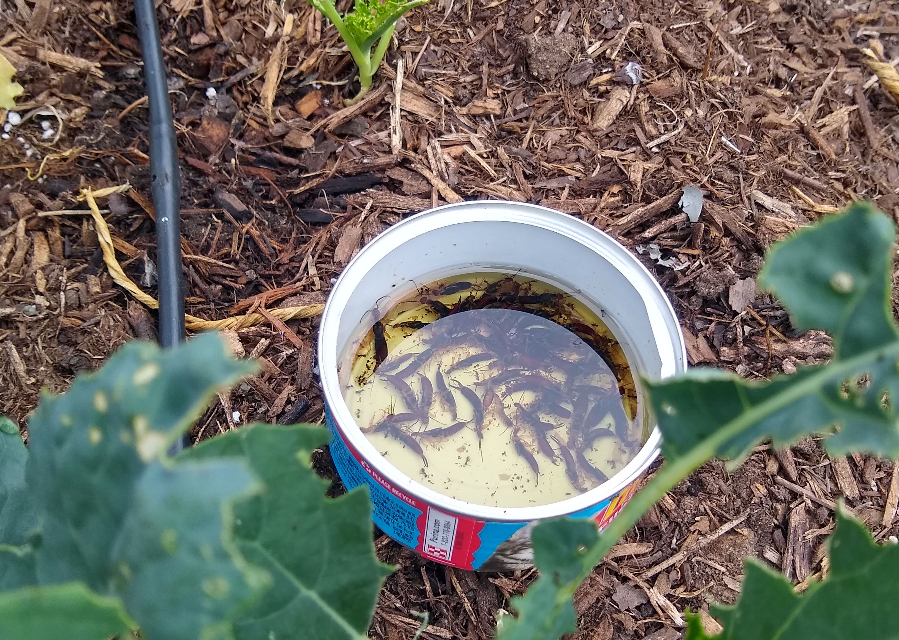
Mix equal parts vegetable oil and soy sauce in a shallow container. Place the container at ground level near your plants. The smell attracts earwigs to the trap. Earwigs fall into the liquid and cannot escape. Empty and refill the trap every few days. This method captures many earwigs without harming your plants.
Garden Maintenance Tips
Keeping your garden clean and well-maintained is key to stopping earwigs from damaging your plants. Earwigs like dark, moist places to hide. A tidy garden reduces these hiding spots. It also makes your plants stronger and less attractive to pests. Follow these simple maintenance tips to protect your garden.
Removing Debris And Mulch
Clear away dead leaves, plant debris, and old mulch regularly. Earwigs hide under these materials during the day. Removing them takes away safe spots for earwigs to rest. Use a rake or your hands to clean the area. Store mulch in dry places and avoid piling it near plants.
Proper Watering Practices
Water your garden early in the day. This lets the soil dry out before nightfall. Earwigs prefer damp environments, so dry soil discourages them. Avoid overwatering, which creates moist conditions that attract pests. Well-watered but not soggy soil helps plants grow healthy and strong.

Credit: www.youtube.com
Beneficial Predators
Beneficial predators help control earwig populations naturally. They eat earwigs and stop them from harming your plants. Using these natural enemies reduces the need for chemicals. It keeps your garden safe and healthy.
Attracting Birds And Insects
Birds and certain insects eat earwigs. Attract birds by placing feeders or birdbaths near plants. Plant flowers that invite ladybugs and lacewings. These insects hunt earwigs and protect your garden. Avoid using pesticides that harm these helpful creatures.
Using Nematodes
Nematodes are tiny worms that kill earwigs underground. They enter the earwigs’ bodies and stop them from growing. Apply nematodes to moist soil around plants. They work best in cool, damp conditions. This method is safe for plants and pets.
Credit: brownthumbmama.com
Conclusion
Stopping earwigs from eating your plants takes simple steps. Keep your garden clean and dry to reduce their hiding spots. Use traps or natural repellents to control their numbers. Check plants often to catch damage early. Small actions can protect your garden well.
Stay patient and consistent for the best results. Your plants will grow healthy and strong again. Easy habits make a big difference in your garden care.