Fire ants are small, red ants that can cause painful bites. When they bite, they inject venom. This venom causes itching, swelling, and sometimes a burning feeling. Knowing how to treat fire ant bites helps you feel better fast. In this article, you will learn simple and easy steps to treat fire ant bites safely.
What Happens When Fire Ants Bite?
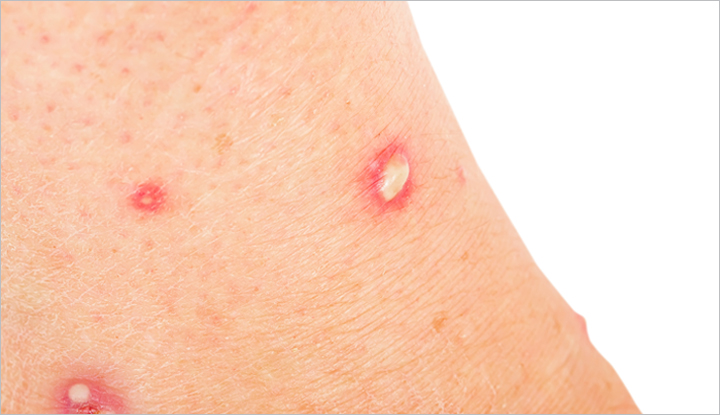
Fire ants bite and sting at the same time. First, they grab your skin with their jaws. Then, they sting and put venom inside your skin. This venom causes red bumps and blisters. The area around the bite can be very itchy and sore. Sometimes, the skin turns red and swollen.
Most people feel pain and itching. But some people have bad reactions. They may get a fever, dizziness, or trouble breathing. If this happens, you should see a doctor right away.
Signs of a Fire Ant Bite
- Small red bumps on the skin
- Itching and burning feeling
- Swelling around the bite
- Blisters that may fill with pus
- Redness around the area
Step 1: Remove Ants Quickly
If you are bitten by fire ants, first remove ants from your skin. Use your hand or a cloth to brush them off quickly. Do not crush them on your skin. This can release more venom. Remove all ants to stop more bites.

Credit: www.amazon.com
Step 2: Wash the Area
Wash the bite area with soap and water. This helps remove venom and dirt. Cleaning the skin reduces infection risk. Use cool water to wash gently. Pat dry with a clean towel.
Step 3: Apply Cold Compress
Put a cold compress or ice pack on the bite. This helps reduce pain and swelling. Wrap ice in a towel before applying. Keep it on the skin for 10 to 15 minutes. Do this several times a day if needed.
Step 4: Use Anti-Itch Creams
Use creams or ointments to reduce itching. Hydrocortisone cream works well for mild bites. Calamine lotion can also calm the skin. Apply the cream as the instructions say. Avoid scratching the bite area. Scratching can make it worse and cause infection.
Step 5: Take Oral Antihistamines
If itching is strong, take antihistamine medicine. These medicines help reduce allergic reactions. Common antihistamines include diphenhydramine or loratadine. Follow the dose on the package. Do not give medicine to young children without a doctor’s advice.
Step 6: Watch for Infection
Sometimes bites get infected. Signs of infection include:
- Increased redness
- More swelling
- Pus or yellow fluid
- Warm skin around the bite
- Fever or chills
If you see these signs, see a doctor. You may need antibiotics to clear the infection.
Step 7: Avoid Future Bites
It is best to avoid fire ants. Here are some ways to stay safe:
- Wear shoes and long pants outside
- Look for fire ant mounds before walking
- Do not disturb ant hills
- Keep your yard clean and free of debris
- Use insect repellents on your skin and clothes
Home Remedies to Soothe Fire Ant Bites
You can also use some home remedies to ease the pain and itching. These are easy and use items found at home.
Baking Soda Paste
Mix baking soda with water to make a thick paste. Apply it to the bite. Let it dry. Baking soda helps stop itching and soothes the skin.
Aloe Vera Gel
Aloe vera is good for skin irritation. Apply fresh aloe vera gel on the bite. It cools the skin and reduces swelling.
Honey
Honey has natural healing properties. Put a small amount on the bite. It can reduce inflammation and prevent infection.
Oatmeal Bath
Oatmeal helps calm itchy skin. You can take an oatmeal bath or make a paste with water. Apply it to the bite area to relieve itching.
When to See a Doctor
Most fire ant bites heal on their own. But you should get medical help if:
- You have trouble breathing or swelling in your face
- The bite area spreads redness or pus
- You have a fever or feel very sick
- You have many bites or strong pain
- You have a history of allergies to insect bites
Doctors can give stronger medicines or help with allergic reactions.
How Long Do Fire Ant Bites Take to Heal?
Fire ant bites usually heal in 7 to 10 days. The redness and swelling go away first. Itching stops after a few days. Blisters dry up and the skin heals. Do not pick or scratch the blisters. This slows healing and can cause scars.
Credit: my.clevelandclinic.org
Tips to Prevent Infection and Speed Healing
- Keep the bite area clean and dry
- Do not scratch or rub the bite
- Use clean bandages if needed
- Apply creams as directed
- Rest and drink enough water
Summary Table: Fire Ant Bite Treatment Steps
| Step | What to Do | Why |
|---|---|---|
| 1 | Remove ants quickly | Stop more bites and venom |
| 2 | Wash with soap and water | Clean venom and reduce infection |
| 3 | Apply cold compress | Reduce pain and swelling |
| 4 | Use anti-itch cream | Calm itching and redness |
| 5 | Take antihistamines if needed | Lower allergic reaction |
| 6 | Watch for infection | Get medical help if infected |
| 7 | Avoid fire ants | Prevent future bites |
Final Thoughts
Fire ant bites are painful but treatable. Acting quickly helps reduce pain and itching. Use simple steps like washing and cold compresses. Use creams and medicines if needed. Watch for signs of infection or allergy. Avoid fire ants to prevent bites. With care, bites heal well in a week. Stay safe and protect your skin from fire ants.
Frequently Asked Questions
How Can I Reduce Swelling From Fire Ant Bites Quickly?
Applying a cold pack helps reduce swelling and pain fast. Keep the area elevated to prevent more swelling. Over-the-counter creams can also soothe irritation.
What Home Remedies Soothe Fire Ant Bite Itching?
Baking soda paste or aloe vera gel can calm itching well. These natural remedies cool the skin and reduce redness. Avoid scratching to stop infection.
When Should I See A Doctor For Fire Ant Bites?
Seek medical help if you have trouble breathing or swelling of the face. Also visit a doctor if bites get very painful or show signs of infection. Early care prevents complications.