
Pest control is not just a service; in California, it is a necessity. From the vibrant cityscapes of Los Angeles to the fertile valleys of Central California, pests find ways to invade homes, businesses, and agricultural lands year-round. The state’s mild climate, dense population, and variety of landscapes create a perfect setting for insects, rodents, and other unwelcome guests.
If you live or operate a business in California, understanding pest control services is essential for protecting health, property, and peace of mind.
In this article, you will learn how pest control works in California, what solutions are available, how to choose a reliable provider, and the latest trends affecting pest management. Whether you are a homeowner worried about termites, a farmer fighting crop pests, or a business owner needing to meet health standards, this guide will help you make smart decisions.
Why Pest Control Is Essential In California
California is different from many other states because of its unique environment. Warm temperatures, urban sprawl, and a mix of rural and city areas mean pests thrive almost everywhere. Ants invade kitchens, rodents chew through wires, termites eat wood, and mosquitoes carry diseases. Even small infestations can quickly become big problems.
Pest control is not just about comfort. It is also about health and safety. Rodents and insects can spread bacteria, trigger allergies, and cause structural damage. Some pests, like ticks and mosquitoes, can transmit dangerous illnesses. For businesses, especially those in food service, pest problems can lead to fines or closures.
Common Pests In California
California’s diversity is reflected in its pest population. Here are some of the most common pests residents and businesses face:
- Ants: Argentine ants are especially aggressive and form large colonies indoors.
- Termites: Both drywood and subterranean termites are major threats to wooden structures.
- Rodents: Norway rats, roof rats, and house mice are found in cities and rural areas.
- Cockroaches: German and American cockroaches thrive in warm, damp places.
- Bed Bugs: Found in hotels, apartments, and homes, they are hard to eliminate without expert help.
- Spiders: Black widows and brown recluses are dangerous and often hide in garages or sheds.
- Mosquitoes: A growing risk due to disease transmission.
- Fleas and Ticks: Threaten both pets and humans.
- Wasps and Bees: Their stings can trigger allergic reactions.
- Stored Product Pests: Moths and beetles infest pantries and food storage.
Each pest requires a different treatment plan. For instance, termites may need fumigation, while rodents require traps and exclusion techniques.
How Pest Control Services Work
Professional pest control involves several steps to identify, remove, and prevent pests:
- Inspection: Experts examine your property to locate entry points, nests, and signs of infestation.
- Identification: Knowing the exact pest species is key. Some treatments only work for specific pests.
- Treatment Plan: Based on the findings, a custom plan is designed. This could include chemical sprays, baits, traps, or physical barriers.
- Execution: Licensed technicians apply treatments safely, often using methods that minimize risks to people, pets, and the environment.
- Follow-Up: Most companies offer return visits to check results and re-treat if necessary.
- Prevention: Sealing cracks, removing food sources, and changing landscaping can reduce future problems.
Types Of Pest Control Services
- Residential Pest Control: Protects homes from insects, rodents, and wildlife.
- Commercial Pest Control: For restaurants, offices, warehouses, and hotels with strict health standards.
- Agricultural Pest Control: Protects crops and livestock from insects, weeds, and diseases.
- Specialized Services: Fumigation, termite inspections, wildlife removal, and green/organic treatments.
Comparing Pest Control Methods
Every pest control company may use different methods. To help you understand, here is a comparison of the main approaches:
| Method | How It Works | Best For | Environmental Impact |
|---|---|---|---|
| Chemical Treatments | Sprays, baits, powders with insecticides | Severe infestations of ants, cockroaches, termites | Moderate to high (depends on chemicals used) |
| Physical Barriers | Sealing entry points, screens, traps | Rodents, insects entering from outside | Low |
| Biological Control | Using natural predators or microbes | Gardens, farms, mosquito control | Low |
| Fumigation | Gas treatments for whole structures | Drywood termites, bed bugs | High (short-term) |
| Integrated Pest Management (IPM) | Combines multiple methods for long-term control | Homes, businesses, schools | Lowest (focuses on prevention) |
Insight: Many beginners only consider chemical sprays, but Integrated Pest Management (IPM) is now the gold standard. It balances effectiveness with safety and sustainability, making it a top choice for California homes and businesses.
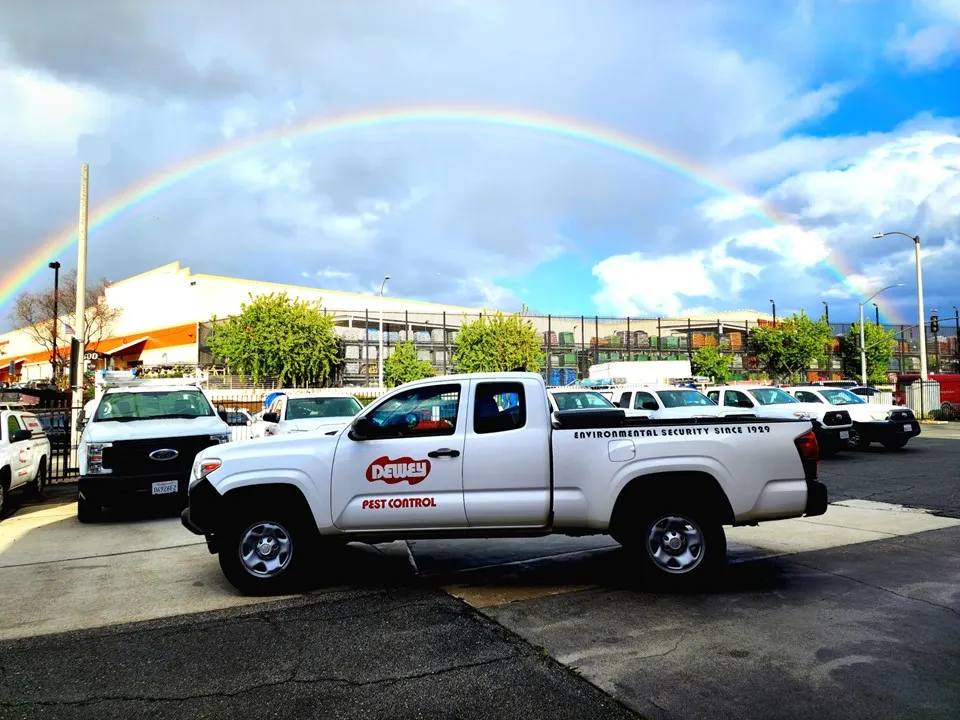
Credit: deweypest.com
Key Features Of A Good Pest Control Company
Not all pest control services are equal. Here are important features to look for:
- Licensing and Certification: In California, companies must hold a Structural Pest Control Board license.
- Experience: Long-standing companies often have better knowledge of local pests.
- Customized Plans: Good providers tailor solutions to your property, not a “one size fits all” approach.
- Insurance: Protects you if something goes wrong during treatment.
- Clear Communication: Technicians should explain risks, methods, and what you need to do.
- Green Options: Many offer eco-friendly or organic treatments.
- Follow-Up Visits: Ongoing support is important for lasting results.
Non-obvious tip: Ask if technicians receive regular training. Pest biology and laws change, so ongoing education is a sign of a serious company.
Popular Pest Control Companies In California
There are many pest control businesses in California, from national chains to local specialists. Some well-known names include:
- Orkin: Famous for termite and general pest services.
- Terminix: Specializes in termite solutions and home protection plans.
- Clark Pest Control: A California-based company with strong local knowledge.
- Ecolab: Focuses on commercial properties and food safety.
- Western Exterminator: Over 100 years serving the West Coast.
Local businesses can also offer personal service and fast response. Always check online reviews and ask neighbors for recommendations.
Typical Costs Of Pest Control In California
Prices can vary based on the size of your property, the type of pest, and the treatment method. Here’s a general idea:
| Service Type | Price Range (per visit) | Frequency |
|---|---|---|
| General Insect Control | $100 – $300 | Quarterly or monthly |
| Termite Inspection | $75 – $150 | Annual or at sale |
| Termite Treatment | $1,000 – $3,000 | One-time or as needed |
| Rodent Removal | $150 – $500 | As needed |
| Bed Bug Treatment | $500 – $2,000 | As needed |
Insight: Many people only budget for one-time treatments, but regular maintenance plans often save money and prevent major infestations.
Pest Control Laws And Regulations In California
California has strict rules for pest control to protect people, pets, and the environment:
- Licensing: All pest control companies and technicians must be licensed by the Structural Pest Control Board (SPCB).
- Chemical Use: Only approved pesticides can be used, and companies must follow safety guidelines.
- Notice Requirements: For some treatments (like fumigation), companies must notify customers and neighbors.
- Record Keeping: Technicians must keep records of chemicals and methods used.
- Organic Standards: Farms using organic certification have separate pest control rules.
You can check the license status of a company on the SPCB’s official website. This protects you from unqualified operators.

Credit: www.curapest.com
Green And Organic Pest Control Options
Many Californians are concerned about chemical use, especially families with children or pets. Green pest control uses methods like:
- Botanical Insecticides: Made from plant extracts, safer for people and animals.
- Physical Controls: Traps, barriers, and heat treatments.
- Cultural Controls: Changing landscaping or cleaning habits to make pests less welcome.
- Biological Controls: Introducing natural predators, like ladybugs for aphid control.
Green services may cost more upfront, but they reduce chemical exposure and are safer long-term. Always ask your provider about eco-friendly options.
Seasonal Pest Challenges In California
Pest activity changes with the seasons:
- Spring: Ants, termites, and spiders become active.
- Summer: Mosquitoes, flies, and wasps peak.
- Fall: Rodents look for warm places indoors.
- Winter: Cockroaches and bed bugs stay active indoors.
Knowing these patterns helps you plan treatments before infestations get serious.
How To Prepare For Pest Control Services
Proper preparation is key to effective treatment:
- Clean Up: Remove food, trash, and clutter where pests hide.
- Move Furniture: Pull items away from walls for better access.
- Cover Food and Dishes: Prevent contamination from sprays.
- Vacuum: Removes eggs and pests before treatment.
- Follow Instructions: Your pest control technician will give you a prep sheet. Follow it closely.
Non-obvious tip: For bed bug treatments, washing and drying all bedding and clothing on high heat can kill hidden bugs and eggs.
Diy Pest Control Vs. Professional Services
Many people try to control pests themselves with sprays, traps, or store-bought baits. While small problems can sometimes be managed this way, there are risks:
- Limited Results: Store products may not reach hidden nests.
- Safety Risks: Improper use of chemicals can harm people and pets.
- Repeat Infestations: Without expert help, pests often return.
- Lack of Warranty: Professionals offer guarantees if the problem returns.
Professional pest control is usually safer, more effective, and can save money in the long run—especially for termites, bed bugs, or large rodent problems.
Latest Trends In California Pest Control
Pest control is changing with new technology and customer demands. Some trends include:
- Smart Traps: Devices that send alerts when rodents are caught.
- Remote Monitoring: Sensors track pest activity 24/7, so action is faster.
- Heat Treatments: Used for bed bugs and drywood termites, with no chemicals.
- Data-Driven IPM: Companies use software to track and predict pest problems.
Many companies now offer customer apps for scheduling, payments, and service tracking.
How To Choose The Right Pest Control Service
Choosing the right provider can feel overwhelming. Here’s a step-by-step approach:
- Check Licensing: Always verify with the Structural Pest Control Board.
- Read Reviews: Look for companies with positive ratings on Google, Yelp, or the Better Business Bureau.
- Ask About Methods: Choose a company that explains its process and offers eco-friendly options.
- Get Multiple Quotes: Prices and services can vary widely.
- Review the Contract: Make sure you understand what’s included, how long the service lasts, and any guarantees.
Experience-based tip: Don’t just focus on price. The cheapest service can cost more if the problem returns.
What To Expect After Pest Control Treatment
After your property is treated, you might still see some pests for a short time. This is normal, as treatments force pests out of hiding. Here’s what to expect:
- Reduced Activity: Pest sightings should drop within days.
- Dead Pests: You may find dead insects or rodents as the treatment works.
- Follow-Up: For some pests, like bed bugs or termites, multiple visits are needed.
- Prevention Advice: Good companies will give tips to keep pests away.
If you still see a lot of pests after two weeks, call your provider. Most offer free re-treatments if the issue isn’t solved.
Tips For Long-term Pest Prevention
Even the best treatments can fail if you don’t prevent new infestations. Here are some proven tips:
- Seal Cracks and Gaps: Use caulk or weather-stripping on doors and windows.
- Eliminate Standing Water: Mosquitoes and other pests breed in water.
- Store Food Properly: Use airtight containers.
- Trim Vegetation: Shrubs and trees should not touch your house.
- Take Out Trash Regularly: Keep bins closed and away from buildings.
- Inspect Regularly: Early detection is key, especially for termites and rodents.
Routine maintenance and quick action at the first sign of pests will save money and stress.
Risks Of Ignoring Pest Control
Some property owners try to “wait out” a pest problem or use home remedies. This can be a costly mistake:
- Property Damage: Termites, rodents, and carpenter ants can destroy structures.
- Health Risks: Allergies, asthma, and disease outbreaks are linked to pests.
- Legal Issues: Landlords and businesses can be fined for infestations.
- Reputation Damage: Businesses, especially in hospitality or food, can lose customers.
Professional help is an investment in your property’s value and your family’s well-being.
Real-life Example: Termite Damage In California
In 2022, a Southern California homeowner discovered termites after noticing warped floors. The inspection revealed damage costing over $15,000 to repair. Their insurance did not cover it because termite damage is considered preventable. Regular inspections and quick action could have saved thousands.
This story is not rare. California’s climate means termites are active year-round, so prevention is critical.
When To Call For Emergency Pest Control
Some pest problems need immediate help:
- Large Rodent Infestations: Can damage wires and cause electrical fires.
- Stinging Insects: Swarms of bees or wasps near entryways.
- Bed Bugs in Hotels: Can spread quickly to other rooms.
- Aggressive Wildlife: Raccoons, bats, or skunks inside a building.
- Termite Swarms: Large numbers of flying termites inside.
Don’t wait—call a licensed provider right away in these situations.
Comparing National Vs. Local Pest Control Companies
Choosing between a national brand and a local provider depends on your needs. Here’s a quick comparison:
| Feature | National Companies | Local Companies |
|---|---|---|
| Coverage | Statewide, often nationwide | Specific cities or regions |
| Pricing | Standardized, sometimes higher | May be more flexible |
| Response Time | Can be slower for non-emergency | Often faster, more personal |
| Local Knowledge | Good, but less specialized | Very strong |
| Guarantees | Clear, company-wide | May vary |
Tip: For unusual pests or unique properties, local companies often have an edge in expertise.

Credit: pestcontrolcalifornia.us
Resources For California Pest Control
For further reading on pest control best practices and regulations in California, visit the California Structural Pest Control Board.
Frequently Asked Questions
What Is Integrated Pest Management (ipm) And Why Is It Recommended?
Integrated Pest Management (IPM) is a modern approach that combines multiple pest control methods for long-term results. It uses less chemicals, focuses on prevention, and adapts to your specific situation. Experts recommend IPM because it’s safer for families, pets, and the environment while still being effective.
Are Pest Control Chemicals Safe For Children And Pets?
Most professional companies use EPA-approved chemicals and will advise you on safety steps. Usually, you’ll need to keep children and pets away during and after treatment for a short time. Ask your technician about low-toxicity or organic options if you’re concerned.
How Often Should I Schedule Pest Control Services?
For most homes, quarterly visits are enough for prevention. If you have a serious problem, you might need monthly treatments at first. Businesses, especially in food service, may need more frequent service. Your provider can suggest the best plan for your property.
Can I Do Pest Control Myself, Or Do I Need A Professional?
You can manage small issues with store-bought products, but professionals have access to stronger solutions, better training, and can guarantee results. For termites, bed bugs, or large rodent infestations, always call a licensed company.
What Should I Do If Pests Come Back After Treatment?
Most reputable companies offer free re-treatments or warranties if pests return. Call them right away and provide details about what you’re seeing. Keep your paperwork and follow prevention tips to reduce the chance of repeat problems.
—
Pest control in California is more than just killing bugs; it’s about protecting your health, home, and business with smart strategies and professional support. Whether you choose a national brand or a trusted local expert, understanding your options and taking action early will give you the best results.
Stay informed, ask questions, and don’t wait for small problems to become big ones—your property’s value and your family’s safety depend on it.