Getting bitten by an ant can hurt and itch a lot. Many people wonder what to do next. One common question is, should I pop an ant bite? This article will help you understand what happens to ant bites and the best way to take care of them.
What Happens When an Ant Bites You?
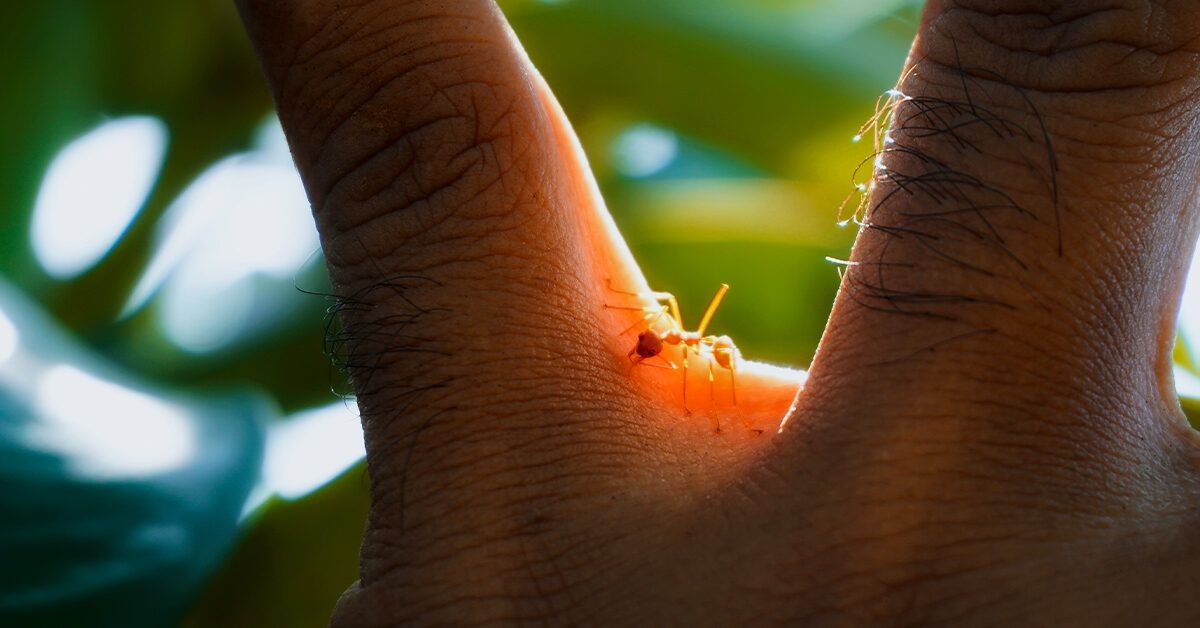
Ants bite to protect themselves or their homes. Some ants also sting. When an ant bites, it can leave a small red bump on your skin. This bump might be itchy or painful. You may also see a little blister.
The ant injects a tiny amount of poison into your skin. Your body reacts to this poison. It sends white blood cells to fight it. This causes swelling, redness, and itching.
Why Do People Want to Pop Ant Bites?
When a bite swells and itches, it can be hard to resist popping it. People think popping will help the bite heal faster. Some believe popping will stop the itch or get rid of fluid inside the bite.
But is this true? Let’s look at what actually happens when you pop an ant bite.
What Happens When You Pop an Ant Bite?
Popping means breaking the skin to release fluid or pus. Sometimes ant bites have a small blister filled with clear or yellow liquid. If you pop this blister, the fluid comes out.
However, popping can cause problems:
- Risk of infection: When you break the skin, bacteria can enter.
- More irritation: Popping may cause more swelling and redness.
- Slower healing: The wound may take longer to get better.
- Scarring: Popping can cause scars or marks on your skin.
So, popping an ant bite usually does more harm than good.
What Should You Do Instead?
Here are some better ways to care for an ant bite:
- Keep it clean: Wash the bite with soap and water.
- Avoid scratching: Scratching can cause infection and make itching worse.
- Use a cold pack: Place a cold cloth or ice pack on the bite to reduce swelling and pain.
- Apply anti-itch cream: Use creams with hydrocortisone or calamine lotion to calm itching.
- Take pain relievers: Medicines like ibuprofen or acetaminophen can help with pain and swelling.
- Watch for allergic reactions: If you feel dizzy, have trouble breathing, or swelling spreads, get medical help immediately.
When to See a Doctor
Most ant bites heal on their own in a few days. But sometimes, bites can cause problems. You should see a doctor if:
- The bite area gets very red, warm, or swollen.
- You see pus or yellow fluid coming from the bite.
- You have a fever after the bite.
- You have a bad allergic reaction like swelling in your face or throat.
A doctor can give you medicine to fight infection or allergic reactions.
Credit: www.conwaymedicalcenter.com
What About Fire Ant Bites?
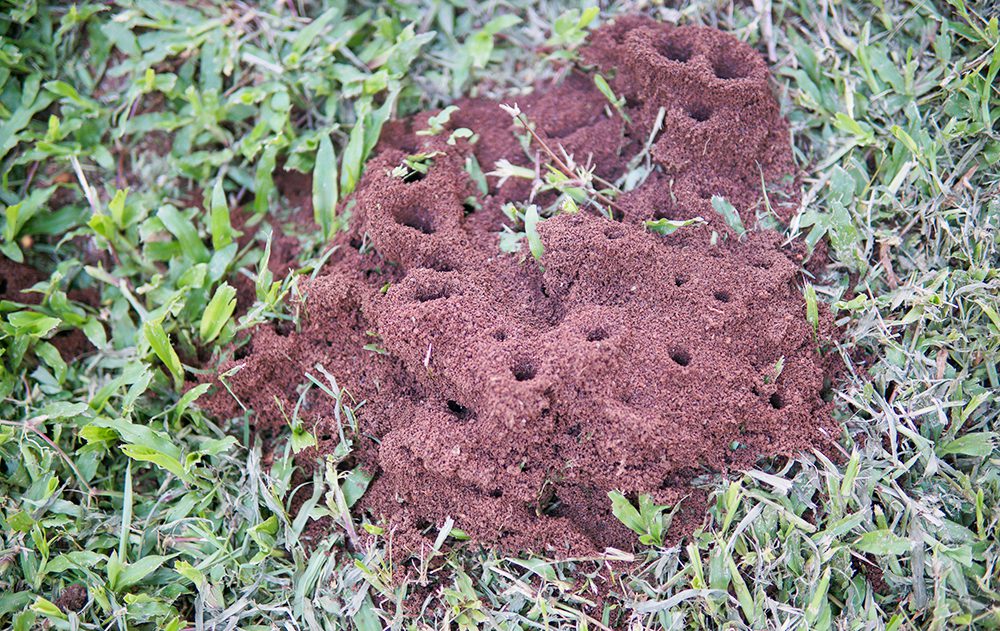
Fire ants are a special kind of ant. Their bites can cause small blisters that look like white bumps. These blisters are filled with clear fluid. It is very tempting to pop these.
But popping fire ant blisters is not a good idea. The same rules apply:
- Do not pop the blisters.
- Keep the area clean.
- Use cold packs and anti-itch creams.
If blisters get very painful or infected, see a doctor.
How to Avoid Ant Bites
The best way to deal with ant bites is to avoid them in the first place. Here are some tips:
- Wear shoes and socks when walking outside.
- Stay away from ant hills and nests.
- Use insect repellent if you are in a place with many ants.
- Keep your house clean and free of food crumbs.
- Seal cracks and holes where ants can enter your home.
Credit: www.healthline.com
Summary: Should You Pop an Ant Bite?
In short, do not pop an ant bite. Popping can cause infection and slow healing. Instead, keep the bite clean and use home remedies to reduce itching and swelling.
If you have a bad reaction or signs of infection, see a doctor. Remember, the best way is to prevent bites by staying away from ants and protecting your skin.
Quick Care Tips for Ant Bites
| Step | What to Do | Why |
|---|---|---|
| 1 | Clean the bite with soap and water | Removes dirt and reduces infection risk |
| 2 | Apply cold pack for 10 minutes | Reduces swelling and pain |
| 3 | Use anti-itch cream or lotion | Calms itching and irritation |
| 4 | Do not scratch or pop blisters | Prevents infection and scarring |
| 5 | Take pain relief if needed | Helps with pain and swelling |
Taking care of your skin after an ant bite helps you heal faster. Remember, patience is key. Most bites heal without trouble in a few days.
Frequently Asked Questions
Should I Pop An Ant Bite Blister?
Popping an ant bite blister can cause infection and slow healing. It’s best to keep it clean and let it heal naturally. Use a cold compress to reduce swelling instead.
How To Relieve Itching From An Ant Bite?
Apply a cold pack or ice wrapped in cloth to reduce itching. Over-the-counter anti-itch creams or calamine lotion can also help ease discomfort. Avoid scratching to prevent infection.
When To See A Doctor For An Ant Bite?
Seek medical help if swelling spreads, pain worsens, or you have difficulty breathing. Signs of infection like pus or fever need prompt attention. Allergic reactions require immediate care.