Have you ever spotted a centipede scurrying across your floor and wondered why it’s inside your home? You’re not alone.
Centipedes don’t just appear out of nowhere—they’re drawn to specific things in your living space. Understanding what attracts these creepy crawlers can help you keep them out for good. You’ll discover the common reasons centipedes choose your home, and simple steps you can take to make your space less inviting to them.
Keep reading to protect your home and enjoy a centipede-free environment.

Credit: missouri.bugoutservice.com
Common Entry Points
Centipedes enter homes through many small openings. These entry points are often hidden and easy to miss. Knowing where centipedes come in helps you stop them before they get inside. Check your home carefully for these common gaps and holes.
Cracks And Gaps
Cracks in walls and foundations serve as perfect entrances. Small gaps around the house let centipedes slip in easily. Look for cracks in basements, crawl spaces, and near the ground. Seal these openings with caulk or weatherstripping to block their path.
Doors And Windows
Doors and windows often have tiny spaces around frames. These gaps invite centipedes indoors. Poorly sealed doors and old window screens are common culprits. Use door sweeps and fix broken screens to keep insects outside.
Plumbing Openings
Plumbing pipes create openings in walls and floors. These gaps provide a hidden route for centipedes. Areas around sinks, bathtubs, and water heaters are vulnerable. Fill spaces with foam or putty to stop these pests from entering.
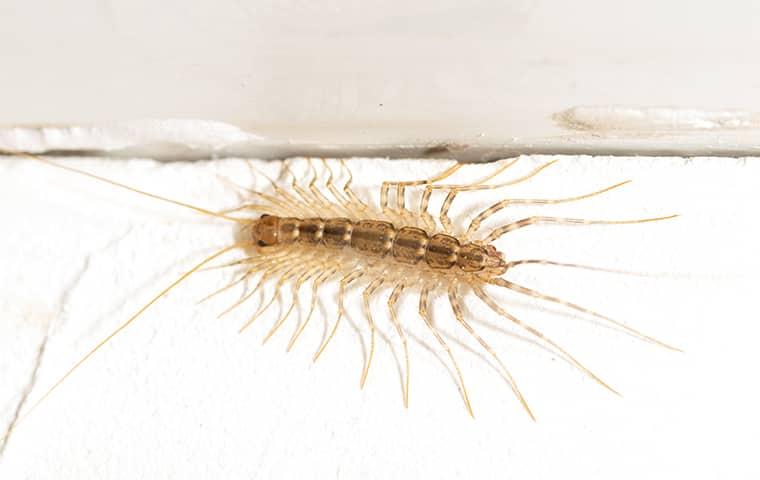
Credit: www.parkwaypestservices.com
Preferred Habitats Indoors
Centipedes prefer certain indoor spots to live and hide. They look for places that keep them safe and help them survive. These areas usually have moisture, darkness, and quiet. Understanding where centipedes like to stay can help you manage them better.
Damp And Dark Areas
Centipedes love moisture. Damp places inside your home attract them easily. These spots keep their bodies from drying out. Dark corners, under sinks, or near leaking pipes are common hiding places. The darkness makes them feel safe from light and predators.
Cluttered Spaces
Clutter creates perfect shelters for centipedes. Piles of clothes, boxes, or papers give them many hiding spots. These spaces protect them from disturbances. Clutter also traps moisture, making the area more inviting. Centipedes often hide in these areas during the day.
Basements And Bathrooms
Basements and bathrooms often have the right conditions for centipedes. Basements are usually cool, dark, and damp. Bathrooms have water sources and moist surfaces. These places offer centipedes easy access to food and shelter. They often enter homes through cracks near these rooms.
Food Sources That Lure Centipedes
Centipedes enter homes mainly in search of food. Understanding what they eat helps to prevent their presence. They feed on small insects and other tiny creatures. These food sources often attract centipedes to damp and hidden spots.
Insects And Small Arthropods
Centipedes hunt insects like spiders, ants, and flies. They also feed on small arthropods such as silverfish and mites. These creatures live in dark corners, cracks, and crevices. A steady supply of prey draws centipedes indoors. Reducing insects helps lower the chance of centipedes.
Moisture-rich Environments
Centipedes love moist places. Damp basements, bathrooms, and kitchens provide perfect conditions. Moisture attracts many insects, which serve as food. Leaky pipes and wet walls increase moisture levels. These spots become a food hub for centipedes.
Organic Debris
Leaves, mulch, and wood piles hold many small insects. Decaying plant matter supports insect populations. Centipedes follow their prey into homes near these areas. Cleaning organic debris around the house reduces food supply. Less food means fewer centipedes inside.
Environmental Factors
Centipedes seek certain environmental conditions inside homes. These conditions help them survive and find food easily. Understanding these factors helps reduce their presence effectively.
Humidity Levels
Centipedes love damp places. High humidity keeps their bodies from drying out. Bathrooms, basements, and kitchens often have the moisture they need. Wet leaves and soil near your home also attract them. Dry air makes it hard for centipedes to live.
Temperature Preferences
Centipedes prefer moderate temperatures. They avoid extreme heat and cold. Warm and mild indoor temperatures create a perfect habitat. Heating systems in winter can push them to seek cooler, damp corners. Temperature changes can cause centipedes to move inside.
Seasonal Changes
Seasons affect centipede activity. They are more active during wet seasons. Heavy rains increase moisture, attracting centipedes indoors. In cold months, they look for warmth inside homes. Seasonal shifts trigger their search for comfort and food.
Human Habits Impacting Attraction
Human habits play a big role in attracting centipedes into homes. These small creatures seek moisture, food, and shelter. Certain daily actions can create the perfect environment for them. Understanding these habits helps reduce their presence.
Indoor Water Leaks
Leaky pipes or dripping faucets provide water for centipedes. Damp areas like basements, kitchens, and bathrooms attract them. Standing water or wet spots make homes inviting. Fixing leaks quickly cuts off their water source. Dry spaces keep centipedes away.
Poor Ventilation
Homes with poor airflow trap humidity inside. Moist air creates damp corners and hidden wet spots. Centipedes thrive in these moist, dark places. Using fans and opening windows improves air circulation. Ventilated rooms stay dry and less welcoming to pests.
Yard Maintenance
Unkempt yards hold piles of leaves, wood, and debris. These spots shelter centipedes and their prey. Tall grass and mulch near the house invite them inside. Regular yard cleaning removes hiding places. Keeping grass short and clearing debris reduces centipede visits.
Credit: www.arrowexterminators.com
Preventive Measures
Preventive measures are the best way to keep centipedes away from your home. These small creatures enter houses in search of food and moisture. Stopping their entry and removing their hiding spots helps reduce their presence. Simple steps can make your home less attractive to centipedes.
Sealing Entry Points
Centipedes can enter through small cracks and gaps in walls and doors. Seal all openings around windows, doors, and pipes. Use caulk or weatherstripping to close these spaces. Check your foundation and repair any holes. This stops centipedes from sneaking inside.
Reducing Moisture
Centipedes love damp places. Fix leaking pipes and faucets right away. Use a dehumidifier in basements and bathrooms. Make sure your home is well-ventilated. Dry areas discourage centipedes from settling in.
Decluttering And Cleaning
Clutter provides hiding spots for centipedes. Keep your home tidy and organized. Remove piles of newspapers, cardboard, and wood. Vacuum and sweep regularly to remove insects that centipedes eat. Clean homes are less inviting to pests.
Conclusion
Centipedes enter homes seeking food, moisture, and shelter. Dark, damp places attract them the most. Clutter and cracks offer easy hiding spots. Keeping your home dry and clean helps reduce their presence. Seal gaps and fix leaks to block entry points.
Regularly remove debris near your house. Understanding what draws centipedes can help you keep them away. Simple steps make a big difference in your comfort. Stay alert and maintain your home for fewer unwanted visitors.