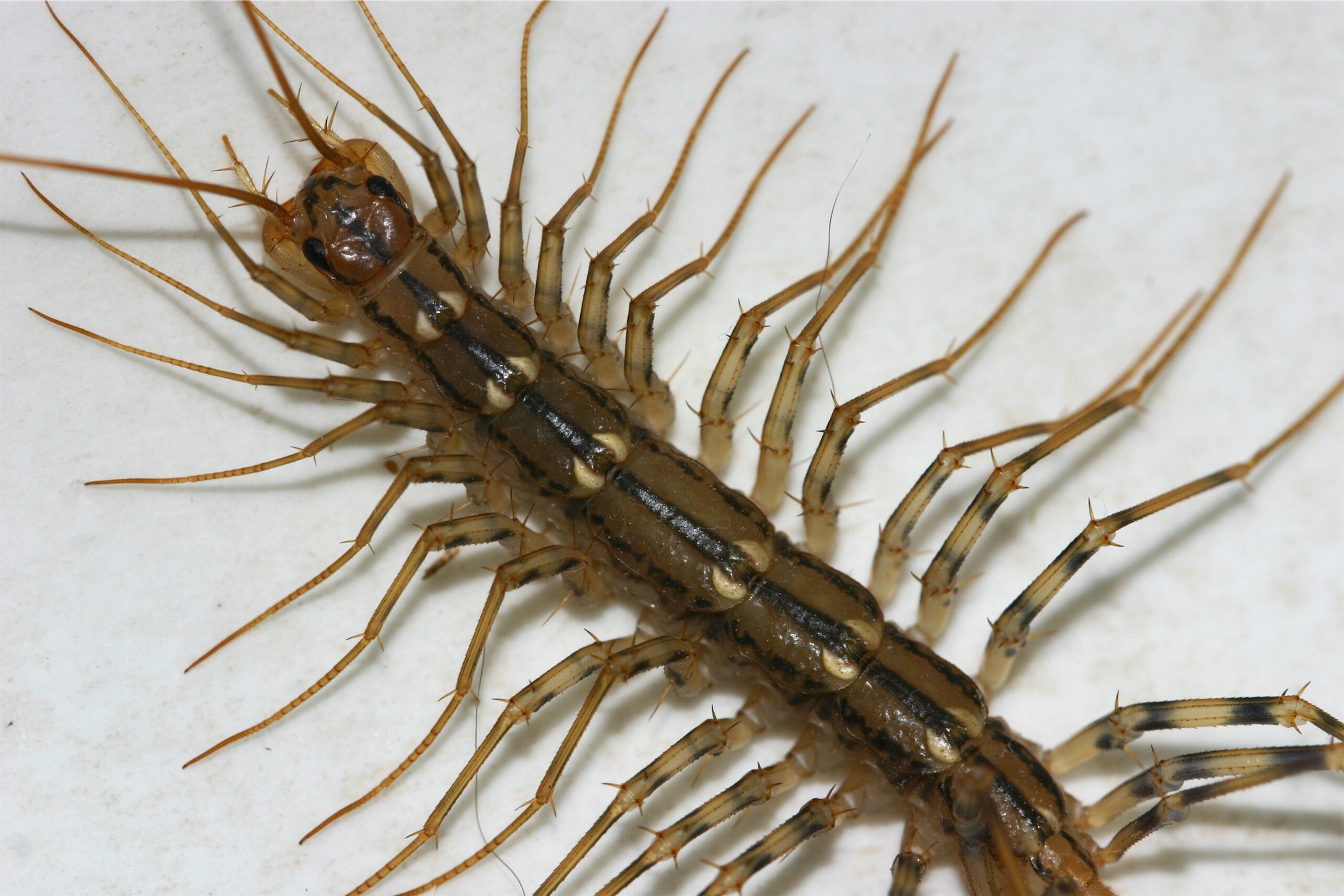
Have you ever spotted a centipede scurrying across your floor and wondered why it’s there? Centipedes in your house can be unsettling, and you might be asking yourself what’s attracting them inside.
Understanding what causes centipedes to invade your home is the first step to keeping them away. You’ll discover the common reasons centipedes appear, how they find their way into your living space, and what you can do to prevent an unwanted visit.
Keep reading to take control of your home and say goodbye to these creepy visitors.
Credit: americanpest.net
Common Entry Points
Centipedes often enter houses through common points. These spots provide easy access for them to come inside. Understanding these entry points helps in keeping centipedes out. It also helps to reduce the chances of infestation.
Cracks And Gaps
Small cracks in walls let centipedes slip inside. Gaps around windows and doors act as entryways. Even tiny openings near pipes or vents can invite centipedes. Sealing these cracks and gaps blocks their path effectively.
Open Doors And Windows
Open doors and windows are simple ways centipedes enter. They move quickly and use these open spaces to come inside. Screens with holes or no screens at all also cause problems. Keeping doors and windows closed or properly screened stops them.
Basement And Crawl Spaces
Basements and crawl spaces are dark and damp places. Centipedes love moisture and hide in such areas. Cracks in basement walls and floors provide easy entry. Covering openings and reducing dampness helps prevent centipedes here.
:max_bytes(150000):strip_icc()/howtogetridofmillipedesandcentipedes_round2-308b1c2d37364c62b31102667bd1c4f0.png)
Credit: www.thespruce.com
Attractive Indoor Conditions
Centipedes enter homes seeking places that suit their needs. Certain indoor conditions attract them more than others. Understanding these conditions helps in reducing their presence.
Moisture And Humidity
Centipedes need moisture to survive. Damp areas like basements and bathrooms attract them. Leaky pipes or wet floors create perfect spots. High humidity inside the house also invites centipedes. Drying these areas can keep them away.
Cluttered Areas
Clutter gives centipedes many hiding spots. Piles of boxes, clothes, or papers are ideal. These areas protect them from light and predators. Cleaning and organizing reduce their hiding places. Less clutter means fewer centipedes indoors.
Dark And Quiet Spaces
Centipedes avoid bright lights and noise. Dark, quiet places like closets and under furniture attract them. These spots feel safe and calm. Keeping lights on or moving items often can help. Making these spaces less inviting limits their presence.
Food Sources Inside
Centipedes enter homes mainly because of food. They hunt small insects and other tiny creatures. Inside a house, food sources attract them and keep them close. Understanding these food sources helps reduce centipede problems.
Presence Of Insects
Centipedes eat many types of insects. Flies, spiders, ants, and silverfish are common prey. Houses with many insects provide a steady food supply. Dark, damp places like basements and bathrooms often host these bugs. More insects mean more centipedes nearby.
Pet Food And Organic Debris
Pet food left out can attract insects. Crumbs and spilled food pieces create a small ecosystem. Organic debris like dead leaves or wood bits also support insects. These insects then become food for centipedes. Keeping areas clean reduces both insects and centipedes.
Seasonal Influences
Seasonal changes play a big role in why centipedes enter homes. These insects react to weather shifts and find shelter inside. Understanding these seasonal influences helps reduce centipede problems.
Rainy Season Effects
Heavy rain pushes centipedes out of their outdoor homes. Wet soil and flooded areas make them seek dry places. Houses offer warmth and dryness, attracting these pests. Moisture inside basements and bathrooms also draws centipedes in.
Temperature Changes
Centipedes prefer cool and damp environments. When temperatures drop outside, they move indoors for warmth. Cold winters or sudden chills send them inside walls and floors. Warm indoor spaces become safe spots during cold months.
Outdoor Factors Leading Indoors
Outdoor conditions often push centipedes inside homes. These creatures seek shelter, food, and moisture. Understanding what draws them indoors helps prevent their entry.
Nearby Vegetation
Plants close to your house create a perfect habitat for centipedes. Leaves and grass hold moisture, attracting insects. Centipedes follow their prey and may enter your home.
Trim plants away from walls. This reduces hiding spots and limits their path inside.
Mulch And Leaf Piles
Mulch and piles of leaves hold dampness and provide cover. Centipedes hide there during the day. These spots also attract insects, which serve as food.
Keep mulch thin and away from your foundation. Remove leaf piles regularly to lower centipede presence.
Water Sources Around Home
Standing water or damp areas near your house draw centipedes. They need moisture to survive and hunt for insects. Leaky pipes, clogged gutters, or wet basements increase risk.
Fix leaks and remove water buildup quickly. Dry areas discourage centipedes from coming indoors.

Credit: www.terminix.com
Preventive Measures
Preventing centipedes in your home is easier than you think. Small steps can keep these pests away. Focus on blocking their paths, drying damp spots, and keeping your space tidy. These actions reduce places where centipedes like to hide and breed.
Sealing Entry Points
Centipedes enter through cracks and gaps in walls and doors. Check windows, vents, and pipe openings. Use caulk or weatherstripping to close these spaces. Sealing entry points stops centipedes from coming inside. It also helps keep other bugs out.
Reducing Moisture
Centipedes love damp areas. Fix leaking pipes and faucets quickly. Use a dehumidifier in basements or bathrooms. Keep gutters clean to avoid water buildup near your home. Dry places discourage centipedes from settling indoors.
Decluttering And Cleaning
Clutter offers shelter for centipedes. Remove piles of paper, boxes, and clothes. Vacuum and sweep floors regularly to remove food crumbs and insects. Clean corners and under furniture often. A tidy home leaves no hiding spots for centipedes.
Conclusion
Centipedes enter homes searching for food and shelter. They like damp, dark places like basements and bathrooms. Fixing leaks and reducing moisture helps keep them away. Sealing cracks and gaps stops their entry. Keeping your home clean removes their food sources.
Understanding what attracts centipedes makes prevention easier. Small steps can make a big difference. Stay alert to signs of centipedes. Protect your home with simple habits every day.