Have you ever wondered what makes German cockroaches keep coming back to your kitchen? Knowing exactly what these pests eat can help you take control and protect your home.
Whether you’ve spotted them scurrying near your food or are just curious, understanding their food preferences is the key to stopping them in their tracks. Keep reading, and you’ll discover surprising facts that could change the way you handle these unwelcome guests for good.
Diet Basics
German cockroaches are small but tough insects. Their diet plays a big role in their survival and rapid growth. They can eat many types of food. This makes them hard to control. Understanding what they eat helps in managing them better.
Common Food Preferences
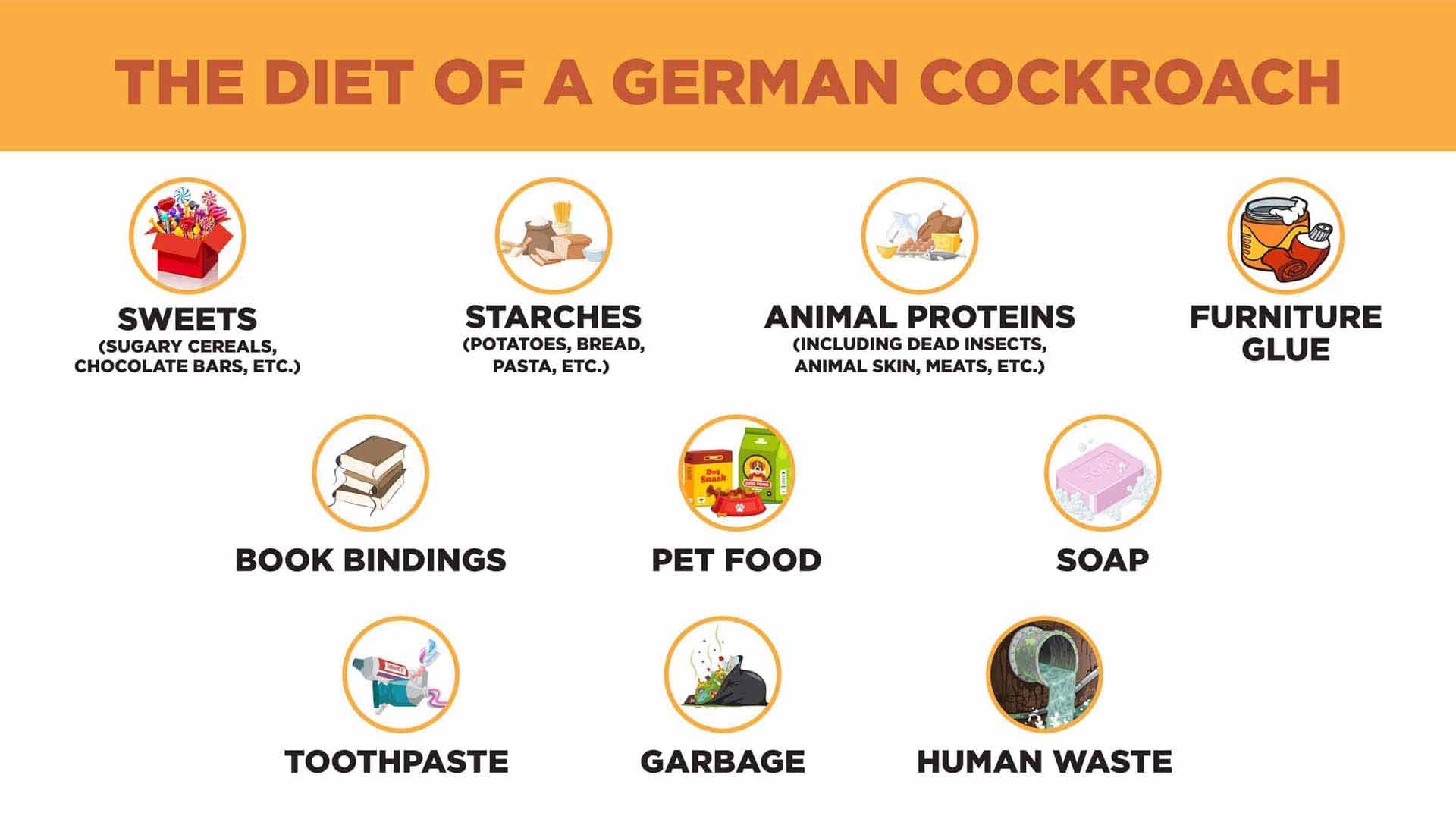
German cockroaches prefer starchy and sugary foods. They eat crumbs, grease, and leftover food. These pests also like meat and sweets. They can feed on paper, glue, and soap. Their ability to eat almost anything helps them survive indoors.
Nutritional Needs
These cockroaches need water to live. They get nutrients from carbohydrates, fats, and proteins. They need a balanced diet for growth and reproduction. Moisture is just as important as food. Without water, they cannot survive long.
Unexpected Food Choices
German cockroaches do not eat only typical food. They survive on many unexpected things. These insects are very adaptable. They can eat items that surprise many people. Their diet often includes things found around the house. Understanding what they eat helps control their spread.
Non-food Items They Consume
German cockroaches chew on non-food items often. Paper, glue, and book bindings are common targets. They eat cardboard boxes and wallpaper paste too. These items provide nutrients and moisture. Even soap and toothpaste can attract them. Their ability to eat these items helps them survive harsh conditions.
Unusual Household Items
These cockroaches also feed on unusual household objects. Dead insects and hair give them protein. Crumbs and grease left on dirty dishes attract them. They even eat fabric fibers and crumbs in carpets. Leftover food in garbage bins is a favorite. Their wide diet makes them hard to eliminate.
Feeding Habits
German cockroaches have unique feeding habits that help them survive in many environments. They eat a wide variety of foods and adapt easily to their surroundings. Understanding their feeding habits can help control their presence in homes.
These cockroaches are not picky eaters. They consume crumbs, grease, and even soap. Their ability to eat almost anything helps them thrive in kitchens and bathrooms.
Active Feeding Times
German cockroaches mostly feed at night. Darkness makes them feel safe to search for food. They hide during the day to avoid predators and humans. Nighttime activity helps them find fresh crumbs and spills.
Feeding during the night also reduces the risk of being seen. This habit makes it hard to spot them while they eat. They quickly return to dark hiding spots after feeding.
Food Storage And Hoarding
German cockroaches often store food. They carry small bits back to their nests. This behavior ensures a steady food supply. They can survive longer without fresh food this way.
Hoarding helps protect them from food shortages. Stored food also feeds young cockroaches. This habit supports their population growth in homes.

Credit: www.masseyservices.com
Impact On Homes
German cockroaches cause many problems in homes. They eat almost anything, which leads to damage and health risks. Their presence can spoil food and spread germs. Understanding how they impact homes helps protect your family and belongings.
Damage To Food Supplies
German cockroaches eat crumbs, grease, and even packaging materials. They contaminate food by leaving droppings and shed skins. This makes food unsafe to eat. Stored food can get ruined quickly. Cockroaches also damage containers by chewing holes. This allows other pests to enter and spoil the food further.
Contamination Risks
These pests carry bacteria and viruses on their bodies. They spread germs to kitchen surfaces and utensils. Cockroach waste can trigger allergies and asthma. Their presence increases the risk of food poisoning. Cleaning alone does not remove all germs. Preventing infestations is key to keeping homes safe and healthy.
Preventing Access To Food
German cockroaches need food to survive. Stopping their access to food helps control their numbers. They eat crumbs, grease, and leftover food. Keeping food away from them can reduce infestations.
Sealing And Storage Tips
Store food in airtight containers. Use plastic or glass with tight lids. Avoid leaving food in open bags or boxes. Seal pet food after feeding. Keep trash bins covered at all times. Dispose of garbage regularly to avoid attracting cockroaches.
Cleaning Practices
Clean kitchen surfaces daily. Wipe crumbs and spills immediately. Sweep and mop floors often. Clean under appliances where food particles gather. Avoid leaving dirty dishes in the sink overnight. Regular cleaning removes food sources for cockroaches.
Credit: www.lloydpest.com
Baits And Attractants
Baits and attractants play a key role in controlling German cockroaches. These insects are drawn to specific food sources. Baits use this natural behavior to lure them in. Once consumed, the bait helps reduce the cockroach population.
Choosing the right bait ingredients is important. The best baits contain substances that cockroaches find hard to resist. At the same time, the bait should be safe for humans and pets. Understanding what works and what does not can make pest control more effective.
Effective Bait Ingredients
German cockroaches prefer sweet, fatty, and protein-rich foods. Baits often include sugar or syrup to attract them. Fatty acids and proteins also increase bait appeal. Ingredients like glucose and peanut butter work well. Some baits contain slow-acting poisons. This allows cockroaches to carry bait back to their nest. It helps kill other roaches too.
What To Avoid
Avoid baits with strong chemical smells. These can scare cockroaches away. Bitter or spicy ingredients also reduce bait effectiveness. Do not use baits that dry out quickly. Cockroaches prefer moist food sources. Avoid placing baits near competing food. This lowers the chance cockroaches will eat the bait. Keep baits away from water leaks or sinks.

Credit: raid.com
Frequently Asked Questions
What Are The Favorite Foods Of German Cockroaches?
German cockroaches prefer starchy, sugary, and fatty foods. They eat crumbs, grease, sweets, and food scraps. They also feed on paper and glue when food is scarce.
Can German Cockroaches Eat Non-food Items?
Yes, German cockroaches consume non-food items like soap, glue, and paper. They do this when food is limited, showing their adaptability and survival skills.
How Do German Cockroaches Find Their Food Sources?
German cockroaches use their antennae to detect food odors. They are nocturnal, searching for food mainly at night in kitchens and bathrooms.
Do German Cockroaches Eat Pet Food?
Yes, German cockroaches are attracted to pet food left out. Pet food provides nutrients and moisture, making it a common food source for them.
Conclusion
German cockroaches eat almost anything they find. They prefer starchy, sugary, and greasy foods. Crumbs, leftover food, and paper can also attract them. Keeping your home clean helps stop their food source. Seal food containers tightly to avoid inviting them.
Understanding their diet helps control and prevent infestations. Small changes make a big difference in keeping cockroaches away. Stay alert and act quickly to protect your space.