If you’ve ever left a sweet snack on the kitchen counter and found tiny ants swarming over it, you’ve probably met sugar ants. These little insects are famous for their love of sugary foods, but their diet is more interesting than most people think. Understanding what sugar ants eat can help you prevent infestations, keep your food safe, and learn more about these small but fascinating creatures.
Let’s dive deep into what sugar ants really eat, how their diet affects their behavior, and what you can do if they invade your home. Whether you’re curious, dealing with an ant problem, or just want to learn more about nature, this guide will give you clear, practical answers.
Understanding Sugar Ants
Before discussing their food preferences, it’s important to understand what sugar ants are. The name “sugar ant” is often used for several ant species that are attracted to sweet foods. In the United States, people usually call the odorous house ant or the pavement ant a sugar ant. In Australia, the real “sugar ant” is the banded sugar ant (*Camponotus consobrinus*).
Even though they are different species, they all have one thing in common: a strong attraction to sugary substances. These ants are small, ranging from 2 to 15 millimeters long, and they live in colonies with thousands of members. Sugar ants are found in homes, gardens, parks, and forests.
Main Foods Sugar Ants Eat
Sugar ants are omnivores, which means they eat both plant-based and animal-based foods. Their favorites are foods rich in sugar, but they also eat proteins, fats, and even some unusual items.
1. Sweet Substances
Sugar ants love anything sweet. This includes:
- White sugar
- Honey
- Syrup
- Fruit juices
- Cake crumbs
- Candy
They find these foods quickly and bring them back to their colony. Ants use their sense of smell to find sugar, which gives them energy to work and care for their young.
2. Fruits
Fruits are another favorite for sugar ants. They eat:
- Bananas
- Apples
- Melons
- Grapes
- Oranges
The natural sugars in fruits attract ants. Sometimes, ants will even tunnel into overripe fruit to feed on the juice inside. Soft, juicy fruits are especially popular because they are easy for ants to eat.
3. Nectar
In nature, sugar ants collect nectar from flowers. Nectar is a sweet liquid that provides quick energy. While gathering nectar, ants often help with pollination, carrying pollen from flower to flower.
4. Honeydew
Honeydew is not honey. It is a sticky, sweet liquid made by aphids and some other plant insects. Sugar ants “farm” aphids to get honeydew. They protect the aphids from predators and, in return, collect the honeydew the aphids produce. This is a smart way for ants to get a steady food supply.
5. Plant Secretions
Some plants produce sweet liquids called extrafloral nectaries. Sugar ants feed on these too, especially when other food is hard to find. These secretions are found on leaves or stems, not in the flowers.
6. Leftover Human Food
In homes, sugar ants often eat:
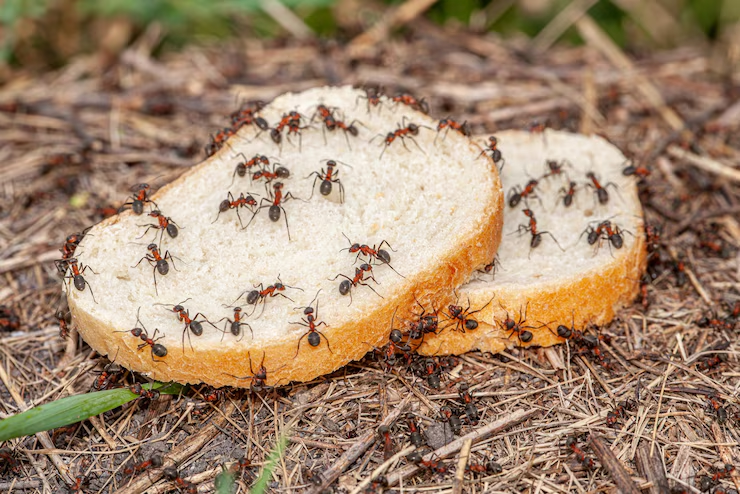
- Bread and crumbs
- Cereal
- Soft drinks
- Jams and jellies
- Baked goods
Tiny cracks or open packages are enough for ants to find a way in. They are drawn to any food that contains sugar or starch.
7. Protein Sources
While sugar is their main food, ants need protein for their young. They will eat:
- Dead insects
- Meat scraps
- Eggs
Worker ants bring protein back to the nest to feed the larvae, which need it to grow.
8. Fats And Oils
Sugar ants sometimes eat foods with fat or oil, like:
- Peanut butter
- Oily crumbs
- Nuts
These foods are less common in their diet but can be important if sugar is not available.
9. Seeds
Some sugar ants, especially in the wild, collect small seeds for food. Seeds are not as attractive as sugar but can be useful in dry conditions.
10. Dead Animals
Ants are also scavengers. They sometimes eat the bodies of dead insects or small animals they find. This helps recycle nutrients in nature.
How Sugar Ants Find Food
Sugar ants have a powerful sense of smell. They use their antennae to detect tiny traces of food from a long distance. When one ant finds food, it leaves a scent trail for other ants to follow. This is why you often see a line of ants marching to a food source.
Once the food is gone, the scent trail fades, and the ants search for new sources. This teamwork helps the colony survive and grow.
What Attracts Sugar Ants To Homes?
Sugar ants come indoors mainly for food and water. They are more likely to invade during warm weather or after rain, when their outdoor food is limited. The most common attractants in homes are:
- Uncovered sweets
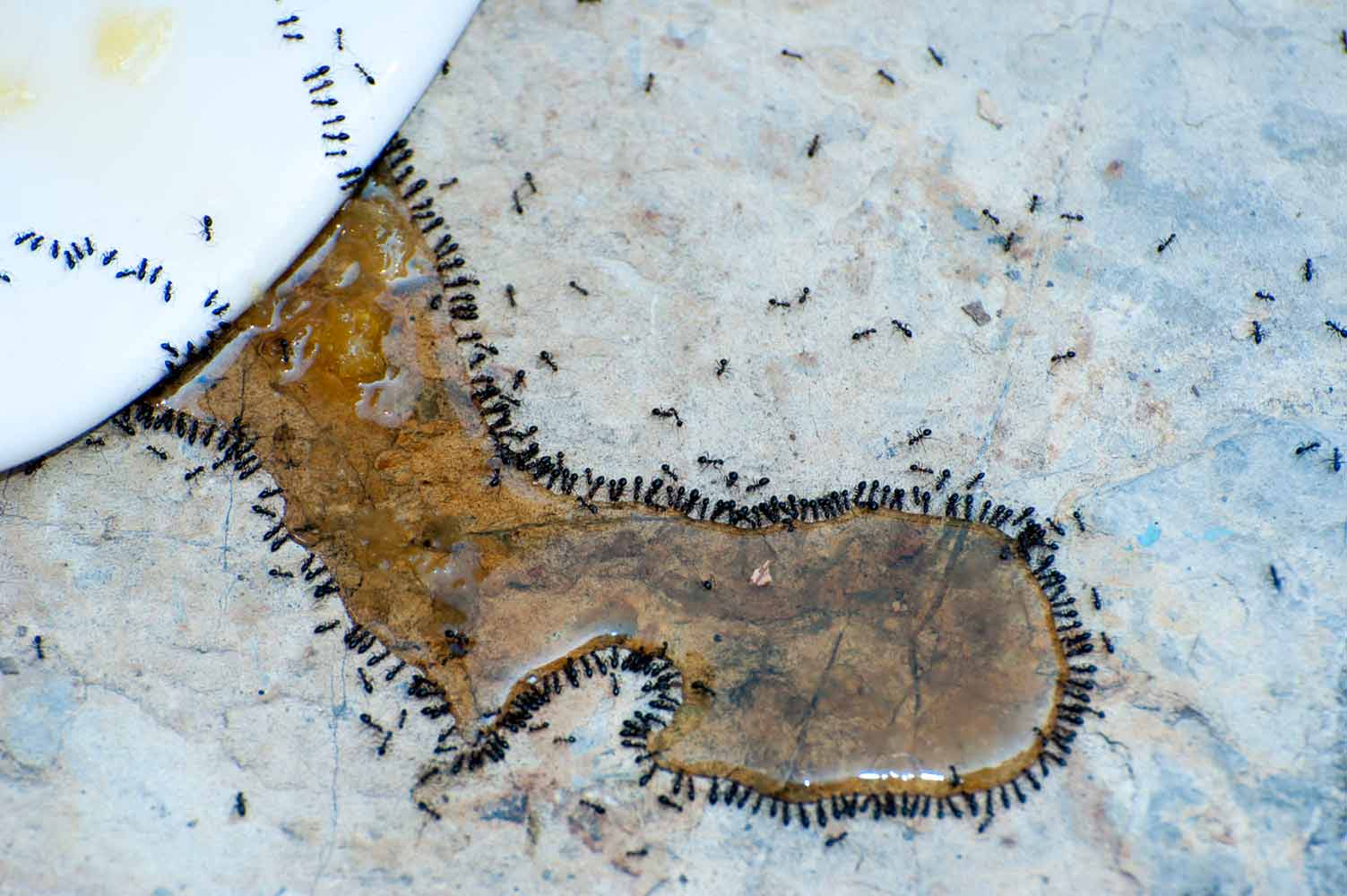
- Sticky spills
- Open containers
- Pet food
- Dirty dishes
- Trash bins
Even a few crumbs can attract hundreds of ants.
Are Sugar Ants Dangerous?
Sugar ants are not dangerous to humans. They do not sting or bite, and they do not spread serious diseases. However, they can contaminate food and become a nuisance. Large colonies can be hard to remove if they find a steady food supply indoors.
How Sugar Ants’ Diet Changes By Season
Sugar ants change what they eat depending on the season. In spring and summer, they prefer sweets and nectar. In autumn, they may look for more protein to prepare for winter. During cold months, ants are less active, and some species go dormant.
How Sugar Ants Digest Food
Sugar ants have a special way of eating. They use their mouthparts to suck up liquid food and carry solid pieces back to the nest. They also have two stomachs—a social stomach and a digestive stomach. The social stomach stores food for sharing with other ants, while the digestive stomach breaks down food for energy.
Sugar Ants Vs. Other Ants: Diet Comparison
Many people wonder if sugar ants eat differently from other ants. Here is a simple comparison.
| Ant Species | Main Foods | Sweet Preference |
|---|---|---|
| Sugar Ant | Sugars, nectar, honeydew, fruit, protein | Very high |
| Carpenter Ant | Sweets, insects, meats, sap | High |
| Fire Ant | Insects, meats, seeds, oily foods | Low |
| Argentine Ant | Sugars, honeydew, insects | Very high |
Sugar ants are among the most sugar-loving ants, but some other species (like Argentine ants) also love sweets.
How Far Will Sugar Ants Travel For Food?
Sugar ants are willing to travel long distances to find food. Some ants have been known to walk up to 100 meters (over 300 feet) from their nest. They use scent trails to help others find the food quickly. This is why you might see ants coming in from outside even if you keep your home very clean.
What Do Sugar Ants Feed Their Young?
Ant larvae, or baby ants, need more protein than adults. Worker ants bring back bits of dead insects, meat, and eggs for the larvae. Adults eat mostly sugar-rich foods for quick energy, while the young need protein to grow strong.
Do Sugar Ants Drink Water?
Yes, sugar ants need water as much as food. They drink from:
- Leaky pipes
- Pet water bowls
- Bathroom sinks
- Rain puddles
A water source close to food can attract a whole colony.
Credit: www.amdro.com
Foods Sugar Ants Avoid
Sugar ants do not eat everything. They usually avoid:
- Spicy foods
- Bitter substances
- Citrus peels
- Vinegar
These foods can even be used as natural repellents.
How To Prevent Sugar Ants In Your Home
Keeping sugar ants away means making your home less attractive to them. Here are some steps you can take:
- Clean up crumbs and spills right away.
- Store sweets and snacks in sealed containers.
- Take out trash often, and keep bins clean.
- Wipe counters and tables daily.
- Fix leaky pipes and remove standing water.
- Feed pets indoors and clean up after meals.
- Seal cracks and entry points in doors and windows.
Consistent cleaning is more effective than using sprays or traps alone. If you do have a sugar ant problem, baits with sweet attractants can help eliminate the colony.
Do Sugar Ants Eat Wood?
Unlike termites or carpenter ants, sugar ants do not eat wood. They may crawl on wooden surfaces to look for food but do not chew wood for food or nesting.
What Do Sugar Ants Eat In The Wild?
In natural settings, sugar ants enjoy:
- Tree sap
- Wild fruit
- Insect honeydew
- Small insects
- Mushrooms
They often play a role in cleaning up dead animals and spreading seeds.
What Do Sugar Ants Eat In Winter?
In cold climates, most sugar ants become less active in winter. They stay in their nests and eat food stored earlier in the year. Some colonies go into a state like hibernation. In warm places, sugar ants may stay active all year, but food is harder to find.
Are Sugar Ants Good For Gardens?
Sugar ants can be helpful in gardens. They eat pests like small insects and help spread seeds. However, they may also protect aphids, which can damage plants. The overall impact depends on the balance in your garden.
What Eats Sugar Ants?
Sugar ants are part of the food chain. Their predators include:
- Spiders
- Birds
- Lizards
- Other ants
These animals help keep ant populations under control.
Sugar Ants And Aphids: The Sweet Deal
Aphids are tiny insects that feed on plants and make honeydew. Sugar ants protect aphids from predators, move them to new plants, and “milk” them for honeydew. This relationship is called mutualism because both species benefit.

Credit: www.planetnatural.com
Why Are Sugar Ants So Hard To Get Rid Of?
Sugar ants are tough to control because:
- They live in large colonies with many queens.
- They can split into new colonies if threatened.
- They follow scent trails, making baits tricky.
Killing visible ants is not enough—you must remove the entire colony. Baits work better than sprays because ants bring poison back to the nest.
The Role Of Sugar In Ant Behavior
Sugar gives ants quick energy, which they use for:
- Foraging
- Caring for young
- Building nests
Colonies with steady sugar sources grow faster and are more active. Removing sweet foods slows them down.
How Ants Share Food
Ants have a process called trophallaxis. This means they share liquid food mouth-to-mouth. This helps feed ants that stay in the nest, like the queen and larvae.
Do Sugar Ants Prefer Certain Sugars?
Yes, sugar ants have favorites. They prefer:
- Sucrose (table sugar)
- Fructose (fruit sugar)
- Glucose (simple sugar in plants)
They like these more than artificial sweeteners or complex carbohydrates.
Sugar Ants In Different Parts Of The World
- In Australia, the banded sugar ant is common and often seen at night.
- In North America, odorous house ants and pavement ants are called sugar ants.
- In Asia and Europe, small black ants are often the “sugar ants” in homes.
No matter the species, their love for sweet foods is universal.
How Do Sugar Ants Affect Human Health?
Sugar ants do not bite or sting. However, they can:
- Contaminate food
- Spread bacteria on surfaces
- Cause allergic reactions in sensitive people
Always clean surfaces where ants have traveled.
Do Sugar Ants Eat Pet Food?
Yes, they are attracted to pet food, especially if it contains grains, sugar, or oils. Dry pet food left out overnight can bring ants inside.
Why Do Sugar Ants Suddenly Appear?
Sugar ants can appear quickly because:
- Weather changes drive them indoors.
- New food sources are discovered.
- Colonies split and move to new places.
If you see more ants, check for new spills or open food.
Credit: americanpestcontrol.com
Do Sugar Ants Eat Mold Or Fungi?
Some sugar ants eat mold or fungi, especially in damp places. They do not prefer it, but will eat it if other food is scarce.
How To Get Rid Of Sugar Ants Naturally
To control sugar ants without chemicals:
- Use vinegar to wipe surfaces.
- Sprinkle cinnamon or pepper near entry points.
- Place cucumber peels or citrus rinds where ants enter.
These are not permanent solutions but can help reduce ant activity.
Sugar Ant Facts Beginners Miss
Most people do not realize:
- Ants can live inside walls or under floors, not just outside.
- Sugar ants can “farm” other insects for honeydew, not just look for human food.
Understanding these habits helps with better prevention.
Comparing Sugar Ant Diets In Different Environments
Let’s look at how sugar ant diets change in different places.
| Environment | Main Foods | Availability |
|---|---|---|
| Urban Homes | Sugar, crumbs, pet food, drinks | High |
| Gardens | Nectar, honeydew, fruit, insects | Medium |
| Forests | Honeydew, sap, insects, seeds | Low to Medium |
Sugar ants adapt their diet based on what is available. In cities, they rely more on human food; in nature, they depend on plants and insects.
How To Identify Sugar Ants
Sugar ants are small, with colors ranging from black to brown or orange. They have a slender waist and large eyes. If you see ants that rush to sweets but ignore greasy foods, you likely have sugar ants.
Are All Small Ants Sugar Ants?
Not all small ants are sugar ants. Some, like pharaoh ants or little black ants, also like sweets but may have different nesting habits.
Do Sugar Ants Have A Queen?
Every colony has one or more queens. The queen lays eggs, while workers gather food. If a queen dies, the colony will eventually disappear.
How Do Sugar Ants Communicate?
Sugar ants use chemical signals called pheromones. These signals help them share information about food sources and danger.
Why Are Sugar Ants Important To The Ecosystem?
Sugar ants help:
- Pollinate plants by visiting flowers.
- Clean up dead insects and organic waste.
- Spread seeds in forests and gardens.
Even though they are pests indoors, they play a helpful role in nature.
Can Sugar Ants Swim?
Sugar ants cannot swim well. They can float for a short time, but water is usually a barrier for them.
How Many Types Of Sugar Ants Are There?
There are dozens of species called “sugar ants” worldwide. The most common are:
- Banded sugar ant (*Camponotus consobrinus*)
- Odorous house ant (*Tapinoma sessile*)
- Pavement ant (*Tetramorium caespitum*)
All share a love for sweet foods but may look different.
Where Do Sugar Ants Nest?
Sugar ants build nests in:
- Soil
- Wood
- Under rocks
- Inside walls
They choose places that are warm, moist, and close to food.
How Long Do Sugar Ants Live?
Worker sugar ants live about a few months. Queens can live for several years. Colonies can survive for a long time if food is always available.
Are Sugar Ants Active At Night?
Some sugar ants, like the banded sugar ant, are nocturnal and search for food at night. Others are active during the day.
Why Do Sugar Ants Prefer Sweets Over Meat?
Sugar ants need quick energy for foraging and colony work. Sweets provide this fast energy. Protein is important for larvae, but adults focus on sugar.
How Do Sugar Ants Get Inside?
They enter homes through:
- Tiny cracks
- Open windows
- Gaps under doors
- Pipes and cables
Sealing entry points helps keep them out.
Can Sugar Ants Damage My Home?
Sugar ants do not chew wood or cause structural damage. Their main risk is contaminating food.
How Big Are Sugar Ant Colonies?
A colony can have thousands to tens of thousands of ants. Large colonies can be hard to remove without bait or professional help.
Do Sugar Ants Have Wings?
Certain sugar ants grow winged males and females during mating season. These ants leave the nest to start new colonies.
What Do Sugar Ants Do With Food They Find?
They:
- Eat some food at the spot.
- Carry bits back to the nest.
- Share food with other ants through trophallaxis.
This teamwork helps the colony survive.
Can Sugar Ants Climb Walls?
Yes, sugar ants are excellent climbers. They can walk up walls, along ceilings, and across wires to find food.
Are Sugar Ants Attracted To Light?
Sugar ants are not strongly attracted to light. Some species may forage at night and be seen near lamps, but they follow food scents, not light.
What Is The Lifespan Of A Sugar Ant?
Workers live a few months, while queens can live several years. This helps colonies survive for many seasons.
For More Information
You can read about sugar ants, their habits, and their impact on ecosystems at the Wikipedia Sugar Ant page.
Frequently Asked Questions
What Is The Main Food Source For Sugar Ants?
The main food source for sugar ants is sweet substances like sugar, honey, and nectar. These foods give them the quick energy they need to forage and care for their colony.
Why Do Sugar Ants Come Inside My House?
Sugar ants come indoors looking for food and water. They are attracted to crumbs, sticky spills, open containers, and pet food. Warm, moist homes are especially inviting.
Do Sugar Ants Bite Or Sting?
Sugar ants do not bite or sting humans. They are harmless but can become a nuisance if they invade your kitchen or pantry.
How Can I Keep Sugar Ants Away?
To keep sugar ants away, clean up food spills quickly, store food in sealed containers, take out trash often, and seal entry points like cracks and gaps in doors and windows.
What Is The Difference Between Sugar Ants And Carpenter Ants?
Sugar ants are smaller and focus on sweet foods, while carpenter ants are larger, can eat sweets and proteins, and sometimes damage wood to make nests. Sugar ants do not harm wood.
With a better understanding of what sugar ants eat and why they behave the way they do, you’ll be better prepared to manage them in your home or garden—and appreciate their role in the environment.