Earwigs are small insects that many people find annoying. They live in gardens, homes, and dark places. Sometimes, they can damage plants or get inside houses. Many people want to know how to stop them. One way is to use insecticides.
But what insecticide kills earwigs? This article will explain the best options. It also shares tips on how to use insecticides safely. Let’s learn more about earwigs and how to control them.
What Are Earwigs?
Earwigs are small insects. They have long bodies and pincers on their back. They are mostly active at night. Earwigs like to live in moist places. They hide under stones, leaves, and wood.
Earwigs eat plants and insects. Sometimes, they can harm garden plants. They chew leaves and flowers. This can make plants look bad and weak.
Why Control Earwigs?
- They can damage garden plants.
- They may enter homes.
- They can cause small bites or pinches.
- They multiply quickly if not controlled.
Because of these reasons, many people want to get rid of earwigs.
Types of Insecticides That Kill Earwigs
Several insecticides can kill earwigs. It is important to choose one that works well and is safe for the environment.
Here are some common insecticides that help control earwigs:
1. Pyrethrin-based Insecticides
Pyrethrin is a natural insecticide. It comes from chrysanthemum flowers. Pyrethrin kills many insects, including earwigs.
This insecticide works quickly. It affects the insect’s nervous system. After spraying, earwigs die fast.
Pyrethrin is safe for short-term use. It breaks down quickly in sunlight. This means it does not stay long in the environment.
How to Use Pyrethrin
- Spray around garden plants and dark places.
- Use in the evening when earwigs are active.
- Follow instructions on the label carefully.
2. Permethrin Insecticides
Permethrin is a synthetic chemical. It is similar to pyrethrin but lasts longer.
It kills earwigs by attacking their nervous system. Permethrin can be used outside and inside the home.
This insecticide is effective but should be used carefully. It can harm pets and beneficial insects.
How to Use Permethrin
- Apply to cracks and crevices where earwigs hide.
- Do not spray directly on pets.
- Wear gloves and avoid breathing spray.
3. Diatomaceous Earth (de)
Diatomaceous earth is a natural powder. It is made from tiny fossil particles.
DE kills earwigs by drying their bodies. It is safe for humans and pets.
You can sprinkle DE around plants and dark spots. When earwigs crawl over it, they die from dehydration.
How to Use Diatomaceous Earth
- Apply in dry areas where earwigs are found.
- Reapply after rain or watering.
- Use food-grade DE for safety.
4. Bifenthrin
Bifenthrin is a synthetic insecticide. It is often used in garden sprays and home insect controls.
It kills earwigs by affecting their nervous system. Bifenthrin stays longer in the soil, providing longer control.
Use it with care, as it can harm beneficial insects and aquatic life.
How to Use Bifenthrin
- Spray on soil and plant bases where earwigs hide.
- Use during dry weather for best results.
- Keep away from water sources and pets.
5. Carbaryl (sevin)
Carbaryl is a broad-spectrum insecticide. It kills many types of insects, including earwigs.
It affects the insect’s nervous system. Carbaryl is effective but can harm beneficial insects.
Use it only when necessary and follow safety rules.
How to Use Carbaryl
- Spray on plants and soil where earwigs live.
- Do not spray in windy weather.
- Wear protective clothes during application.
How to Choose the Right Insecticide
Choosing the right insecticide depends on several things:
| Factor | What to Consider |
|---|---|
| Safety | Choose insecticides safe for children and pets. |
| Effectiveness | Pick products known to kill earwigs. |
| Environmental Impact | Use insecticides that break down quickly. |
| Ease of Use | Choose easy-to-apply products like sprays or powders. |
| Cost | Find insecticides that fit your budget. |

Credit: www.amazon.com
How to Use Insecticides Safely
Using insecticides can be helpful, but safety is important. Follow these steps to stay safe:
- Read the label: Always read instructions before use.
- Wear protective gear: Use gloves and masks if needed.
- Keep away from children and pets: Store insecticides safely.
- Apply in recommended areas: Spray where earwigs hide.
- Do not overuse: Use only the amount needed.
- Wash hands after use: Clean your hands well.
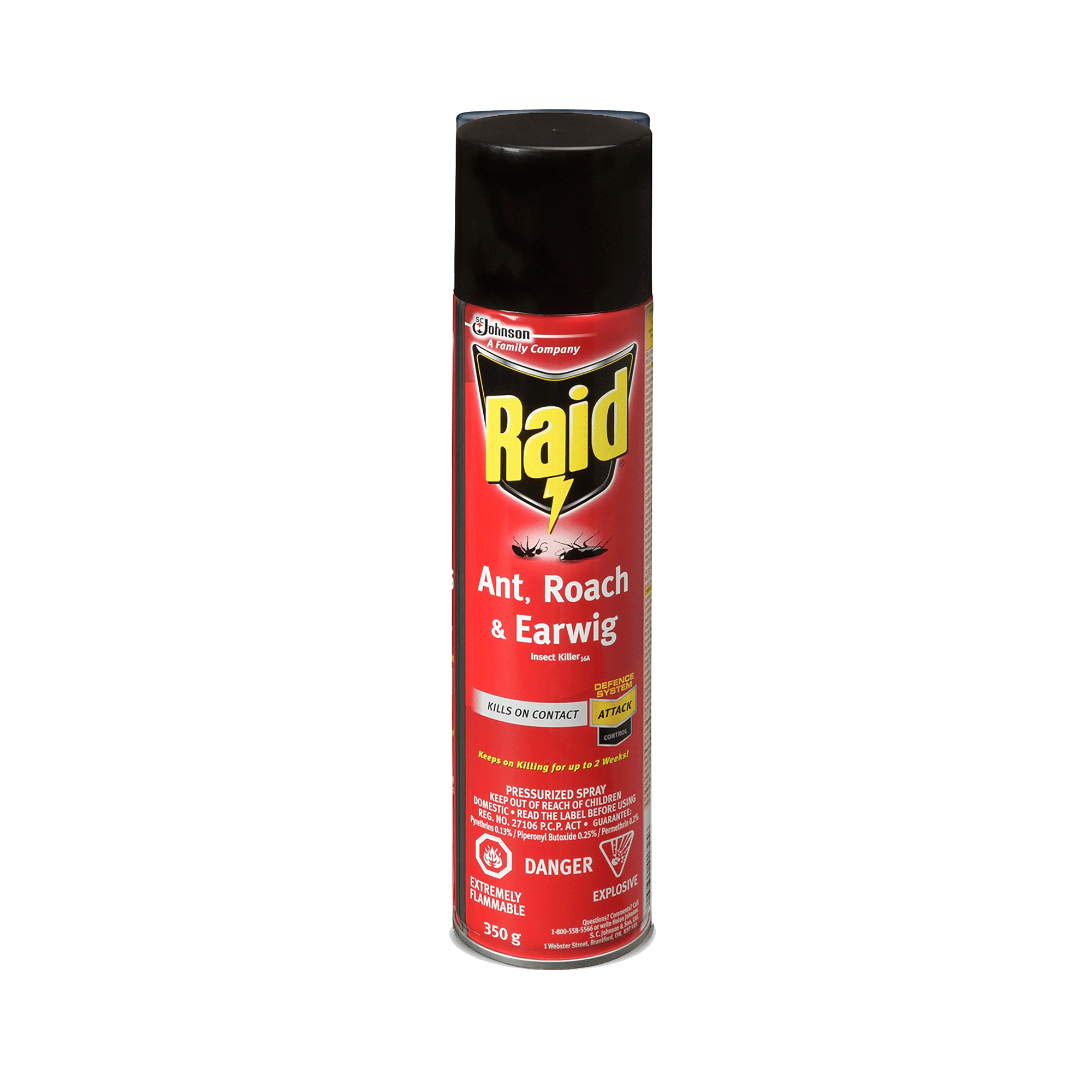
Credit: imperialsoap.com
Other Tips to Control Earwigs
Besides using insecticides, you can try these methods:
- Remove hiding places: Clear leaves, wood, and debris.
- Use traps: Roll up damp newspapers or cardboard.
- Keep gardens dry: Water plants in the morning only.
- Seal cracks: Close gaps in windows and doors.
- Use natural predators: Encourage birds and toads.
These steps make earwigs less comfortable and reduce their numbers.
Summary
Earwigs can be a problem in gardens and homes. Using insecticides helps control them.
Good insecticides for earwigs include pyrethrin, permethrin, bifenthrin, carbaryl, and diatomaceous earth. Choose one based on safety and use instructions.
Always follow safety rules when applying insecticides. Combine chemical use with other control methods for best results.
With patience and care, you can reduce earwig problems effectively.