Have you ever come across a creepy crawler in your garden and wondered if it was a centipede or a millipede? At first glance, these two creatures might look similar, but they are quite different in many ways.
Understanding these differences can help you feel more confident the next time you spot one. You’ll discover clear and simple facts that make it easy to tell centipedes and millipedes apart. By the end, you’ll know exactly what sets them apart—and why it matters to you.
Keep reading to get the full scoop!
Credit: americanpest.net
Centipede Features
Centipedes are fascinating creatures known for their unique body features. These features help them survive and hunt effectively. Understanding their characteristics helps us see how they differ from millipedes.
Centipedes have distinct traits in body shape, legs, speed, habitat, and diet. Each feature plays a role in their life and behavior.
Body Structure
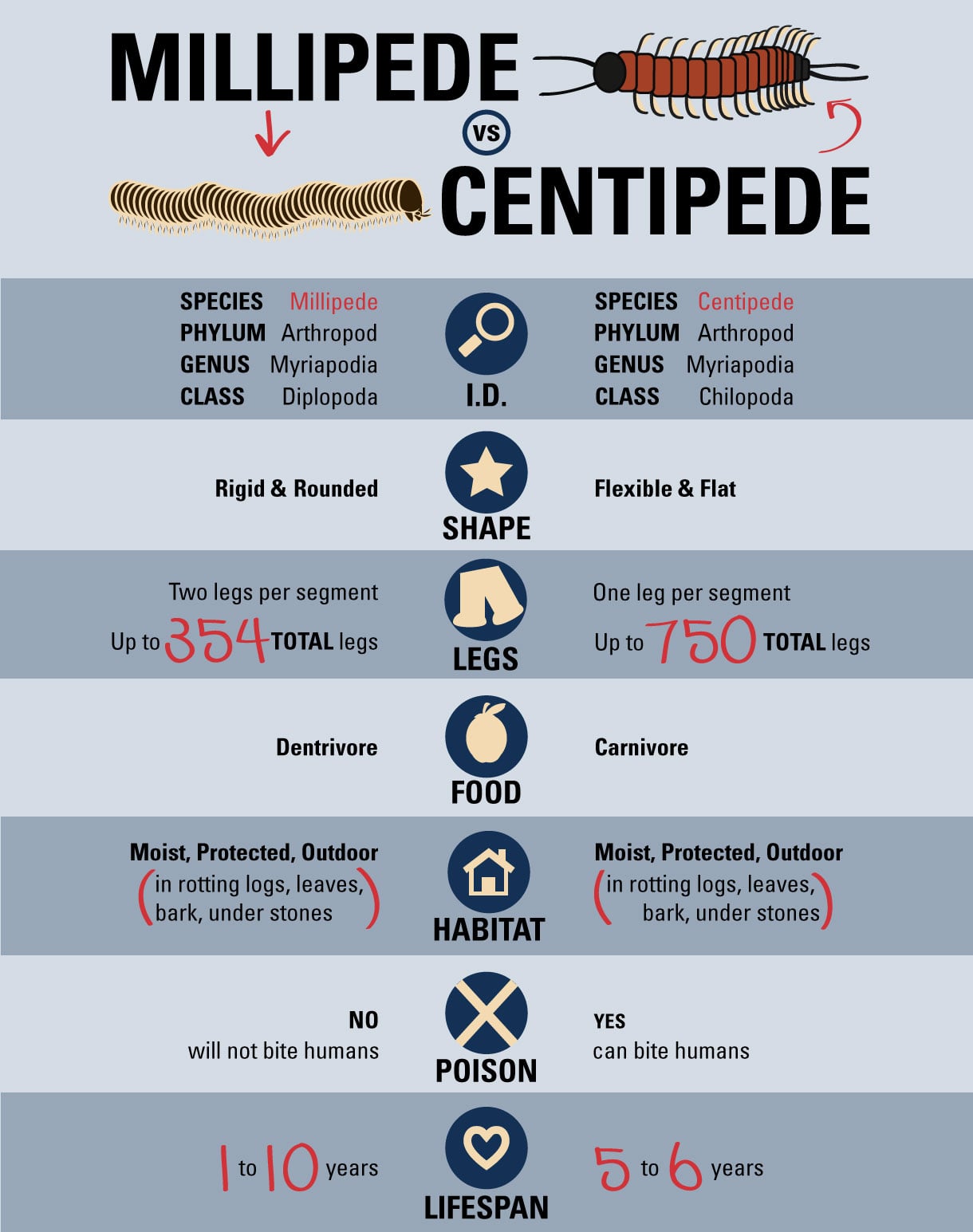
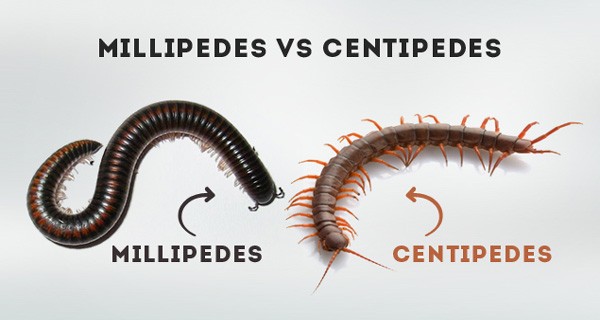
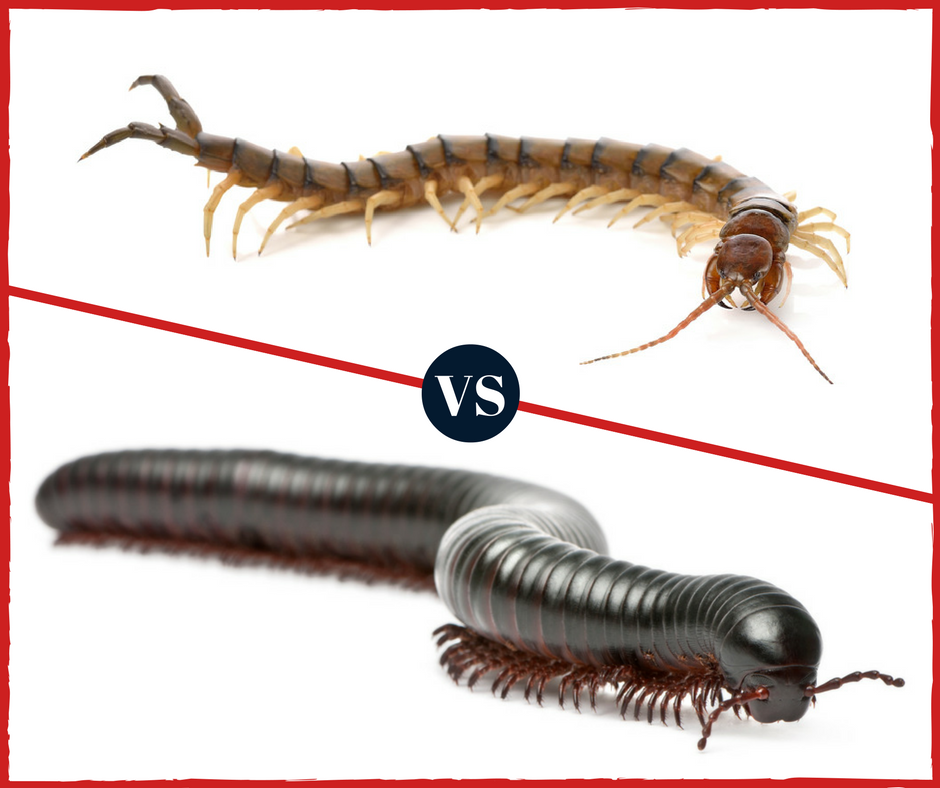
Centipedes have long, flat bodies divided into many segments. Each segment has a single pair of legs. Their bodies are flexible, allowing easy movement through tight spaces. They have a pair of antennae on their heads to sense the environment.
Leg Count And Arrangement
Centipedes have one pair of legs per body segment. The number of legs varies but never reaches a thousand. Legs are arranged in a way that helps quick movement. The first pair of legs is modified into venomous claws to catch prey.
Movement And Speed
Centipedes move fast and with agility. Their long legs help them run quickly on land. Speed helps them catch prey and escape predators. They can move sideways and forward easily due to their flexible bodies.
Habitat Preferences
Centipedes live in moist, dark places like under rocks, logs, or leaf litter. They prefer environments with high humidity to keep their bodies from drying out. Some species can live indoors in damp areas like basements.
Diet And Hunting
Centipedes are carnivores that hunt insects and small animals. They use venomous claws to capture and paralyze prey quickly. Their diet helps control pest populations in nature. They are active hunters, mainly at night.
Credit: www.fingerlakesmuseum.org
Millipede Features
Millipedes are often confused with centipedes, but they have unique features. These creatures have a distinct look and behavior that sets them apart. Understanding their features helps you tell them apart easily.
Millipedes are slow-moving and mostly harmless. They play an important role in nature by breaking down dead plants. Let’s explore their key features in detail.
Body Structure
Millipedes have long, cylindrical bodies. Their bodies are made of many segments. Each segment is round and smooth. The body shape helps protect them from predators. They can curl into a tight coil for safety.
Leg Count And Arrangement
Millipedes have two pairs of legs per body segment. This makes their legs look like many tiny feet. Their legs move in a wave-like pattern. This helps them walk steadily over soil and leaves.
Movement And Speed
Millipedes move slowly and carefully. They cannot run fast like centipedes. Their slow pace helps them avoid danger. They mostly crawl on the ground or under debris.
Habitat Preferences
Millipedes like dark, damp places. They live under rocks, logs, and leaves. Moist soil helps them stay hydrated. You can find them in gardens, forests, and fields.
Diet And Behavior
Millipedes eat decaying plants and organic matter. They help recycle nutrients in the soil. They rarely bite or sting humans. When threatened, they release a harmless chemical smell.
Key Differences Between Centipedes And Millipedes
Centipedes and millipedes are often confused. Both have many legs and long bodies. Yet, they differ in many ways. These differences help us understand their behavior and role in nature. This section explains key differences between centipedes and millipedes.
Leg Number And Placement
Centipedes have one pair of legs per body segment. Their legs stick out to the sides. Millipedes have two pairs of legs per segment. Their legs are under their bodies. This makes millipedes move slowly. Centipedes move fast because of fewer legs.
Defense Mechanisms
Centipedes use venom to catch prey and defend themselves. They bite if threatened. Millipedes do not bite. Instead, they curl into a tight coil. Some millipedes release a bad smell to scare predators. Their defense is mostly passive.
Activity Patterns
Centipedes are mostly active at night. They hunt insects and small animals. Millipedes prefer damp places and eat decaying plants. They move slowly and are less aggressive. Both avoid light and dry areas.
Reproductive Traits
Centipedes lay eggs in soil or under stones. Some care for their young. Millipedes also lay eggs in soil. Their young look like small adults. Both species have different mating behaviors. These traits help them survive in various environments.
Common Myths And Facts
Many people confuse centipedes and millipedes. Myths about their danger and habits spread widely. Understanding facts helps reduce fear and shows their true nature. This section clears up common myths about these creatures.
Venom And Bite Danger
Centipedes have venom. They use it to catch prey. Their bite can hurt but rarely causes serious harm to humans. Millipedes do not bite or sting. They may release a smelly liquid if threatened. This liquid can irritate skin but is not venomous.
Role In Ecosystems
Both centipedes and millipedes play important roles. Centipedes eat insects and small animals. They help control pest populations. Millipedes eat decaying plants. They break down dead matter and return nutrients to soil. This helps plants grow.
Interaction With Humans
Centipedes often avoid people. They come indoors by accident or for shelter. Millipedes usually stay outside. They rarely enter homes. Both are not aggressive toward humans. They only bite or release chemicals if threatened or handled roughly.
Credit: knockoutpest.com
Conclusion
Centipedes and millipedes may look similar but have key differences. Centipedes have one pair of legs per body segment. Millipedes have two pairs of legs per segment. Centipedes move fast and can bite. Millipedes move slowly and curl up for defense.
Both play important roles in nature. Knowing their differences helps you understand these creatures better. They each have a unique place in the environment. Simple, yet fascinating bugs to observe.