Finding a tick on your dog can be alarming, and knowing what to do next is crucial for your pet’s health. You might wonder if you removed it correctly or worry about possible infections.
Don’t worry—this guide will walk you through exactly what steps to take after removing a tick from your dog. By following these simple actions, you can protect your furry friend from complications and feel confident in your care. Keep reading to learn how to keep your dog safe and healthy after a tick encounter.

Credit: lebanonanimalhospital.com
Immediate Tick Removal Steps
Removing a tick from your dog quickly and correctly is very important. Ticks can carry diseases that harm your pet. Acting fast helps reduce the risk of infection. Knowing the right steps for removal keeps your dog safe and calm.
Proper Tools For Removal
Use fine-tipped tweezers or a tick removal tool. Avoid using your fingers or household items. These tools help grab the tick close to the skin. Keep the tools clean before and after use. Have rubbing alcohol nearby to clean the bite area.
Safe Removal Techniques
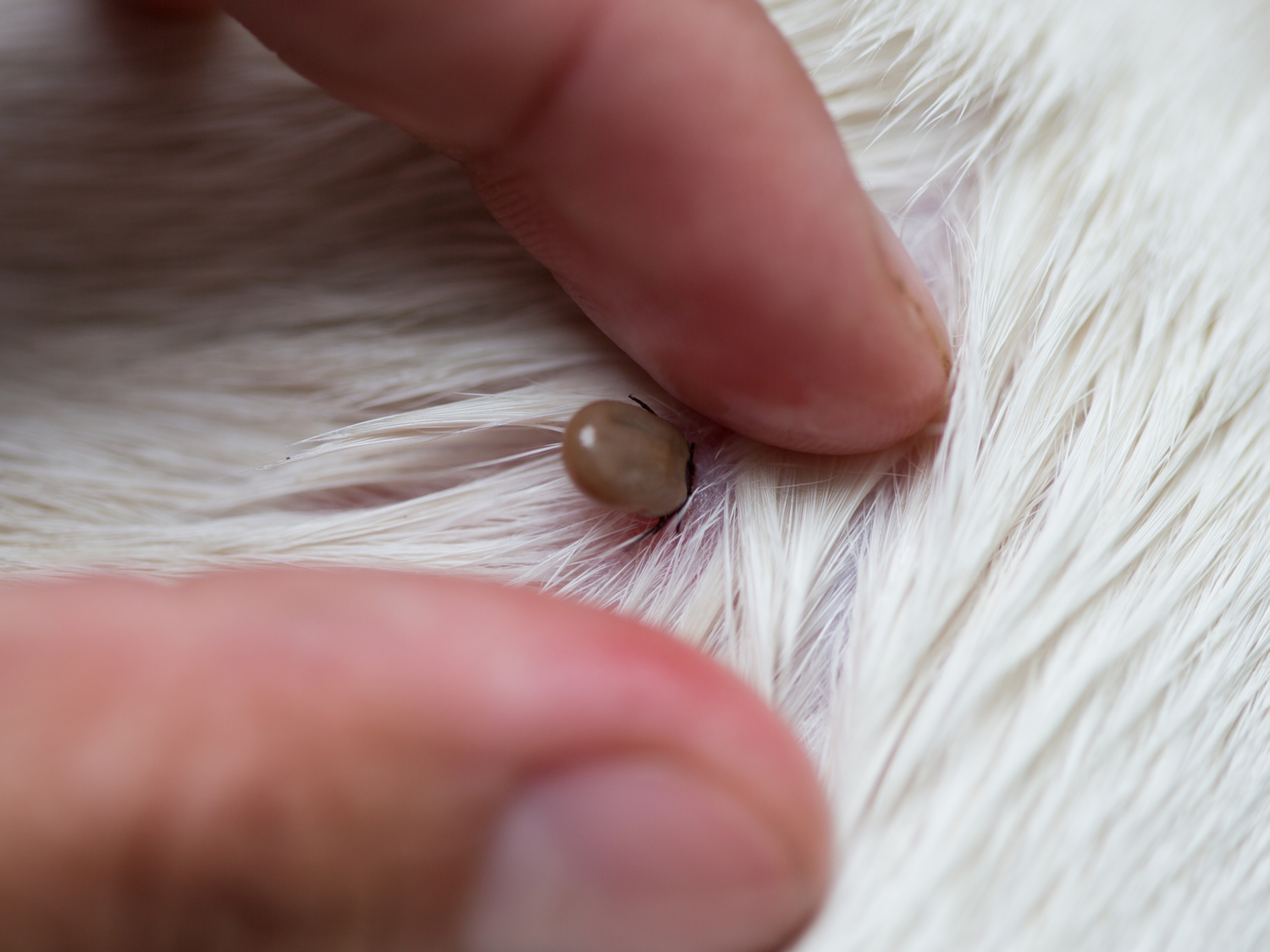
Grasp the tick firmly near your dog’s skin. Pull straight out with steady, even pressure. Do not twist, squeeze, or crush the tick. Avoid breaking the tick’s mouthparts inside the skin. After removal, clean the bite area with alcohol. Wash your hands well after handling the tick.
Cleaning The Bite Area
After removing a tick from your dog, cleaning the bite area is very important. This helps prevent infection and keeps your dog safe. Proper cleaning reduces the risk of bacteria entering the skin. It also helps you check for any leftover tick parts that might cause problems.
Disinfecting The Skin
Start by washing the bite area with mild soap and warm water. Gently scrub the skin to remove dirt and germs. Use a clean cloth or cotton ball for this step. After washing, apply an antiseptic solution like iodine or chlorhexidine. This kills bacteria and lowers infection risk. Avoid harsh chemicals that may irritate your dog’s skin.
Checking For Residual Tick Parts
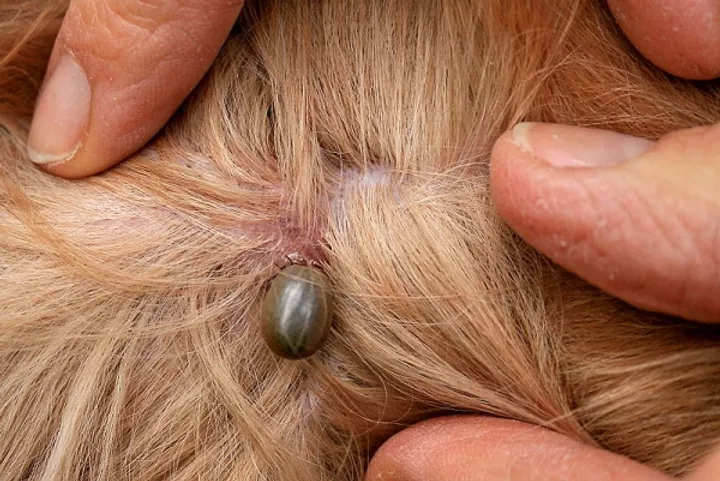
Look closely at the bite area for any tick parts left behind. Sometimes the tick’s head or mouthparts stay in the skin. These pieces can cause infection or irritation. Use a magnifying glass if needed. If you find any parts, try to remove them carefully with tweezers. If removal is difficult, contact your vet for help.
Monitoring Your Dog’s Health
After removing a tick from your dog, it is important to watch your pet closely. Tick bites can cause infections or other health issues. Careful monitoring helps catch problems early. You can protect your dog by knowing what signs to check for. Pay attention to your dog’s body and behavior for any changes.
Signs Of Infection To Watch
Check the bite area for redness or swelling. Look for pus or any unusual discharge. Warmth around the bite might mean infection. A bad smell can also show infection. Watch if your dog keeps scratching or licking the spot. These signs need quick care from a vet.
Behavioral Changes To Note
Notice if your dog seems tired or weak. A drop in appetite can be a warning sign. If your dog acts restless or hides, something may be wrong. Limping or trouble walking needs attention. Changes in breathing or coughing should not be ignored. Early detection helps your dog heal faster.
When To Contact A Veterinarian
Removing a tick from your dog is only the first step. Watching your dog closely afterward is very important. Some signs need quick action and a vet’s help. Knowing these signs can protect your dog from serious illness.
Symptoms Requiring Immediate Care
Look for redness or swelling at the bite site. Your dog may lick or scratch the area a lot. Watch for fever, tiredness, or loss of appetite. Limping or joint pain can also be serious signs. If your dog vomits or has diarrhea, act fast. Any sudden behavior change needs urgent vet attention. Early care can stop infections from getting worse.
Preventive Vet Visits
Regular vet check-ups help catch problems early. Tell your vet about any tick bites or unusual signs. Your vet can suggest tick prevention products. Vaccinations may protect against tick-borne diseases. Keep a record of your dog’s health after tick bites. Scheduled visits keep your dog safe and healthy year-round.
Preventing Future Tick Bites
Preventing future tick bites is key to keeping your dog safe and healthy. Ticks carry diseases that can harm your pet. Protecting your dog reduces the chance of bites and infections. Simple steps can make a big difference in avoiding ticks.
Tick Prevention Products
There are many products to help stop ticks. Spot-on treatments work by killing ticks on contact. Oral medications kill ticks after they bite. Tick collars repel ticks and prevent them from attaching. Choose a product made for your dog’s size and age. Follow the instructions carefully to keep your dog safe.
Environmental Control Tips
Ticks live in tall grass and bushes. Keep your yard short by mowing regularly. Remove leaf piles and brush where ticks hide. Create a barrier of wood chips or gravel between your lawn and woods. Avoid walking your dog through thick brush or leaf litter. Check your dog for ticks after outdoor play. These steps reduce tick numbers around your home.
Credit: companionnp.com
Natural Remedies And Alternatives
After removing a tick from your dog, natural remedies can help soothe the skin and prevent infection. These alternatives support healing without harsh chemicals. They also promote your dog’s comfort and health in a gentle way.
Herbal Options
Herbs like aloe vera and chamomile calm irritated skin. Aloe vera gel cools and reduces redness. Chamomile tea, cooled and applied, soothes inflammation and helps healing.
Calendula is another good choice. It has antibacterial and anti-inflammatory properties. Apply a diluted calendula tincture or cream on the tick bite area. Tea tree oil works well too, but always dilute it to avoid irritation.
Home Care Practices
Keep the bite site clean with mild soap and water. Gently pat the area dry. Avoid rubbing the skin, which can cause more irritation.
Use a clean cloth to apply a warm compress. This helps reduce swelling and pain. Watch your dog for any signs of infection or unusual behavior. If symptoms appear, contact your vet immediately.
Regularly check your dog’s skin after walks, especially in tick-prone areas. Natural remedies work best combined with good home care. They help your dog heal faster and feel better.
Credit: www.vets-now.com
Conclusion
Removing a tick from your dog is just the first step. Watch your pet closely for any signs of illness. Clean the bite area with care to prevent infection. Keep your dog calm and comfortable during this time. Check your dog often for more ticks, especially after walks.
Contact your vet if you notice redness, swelling, or unusual behavior. Regular tick checks help keep your dog healthy and happy. Simple actions can protect your dog from serious diseases. Stay alert and act quickly to ensure your pet’s safety.