If you’ve noticed your cat scratching more than usual or see tiny bugs moving through their fur, fleas might be the unwelcome visitors causing trouble. Fleas don’t just make your cat uncomfortable—they can also lead to health problems for both your pet and your home.
You want to act fast, but where do you start? This guide will walk you through exactly what to do if your cat has fleas, helping you protect your furry friend and keep your home flea-free. Keep reading, because the sooner you take action, the better your cat will feel.
Spotting Flea Infestations
Spotting flea infestations early helps protect your cat’s health. Fleas can cause itching, discomfort, and skin problems. Checking your cat regularly is important. Knowing what to look for saves time and stress.
Fleas are small, fast, and hard to see. They hide well in your cat’s fur. Watch for signs your cat might have fleas. Check common places where fleas like to hide. This helps catch infestations before they get worse.
Signs Your Cat Has Fleas
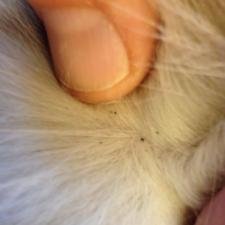
Scratching and biting are common signs of fleas. Your cat may seem restless or uncomfortable. Look for small black dots on the skin. These dots are flea dirt, flea droppings. Tiny red bites on your cat’s skin may also appear.
Hair loss or scabs from scratching can show flea problems. Your cat might groom more than usual. Fleas often cause redness or irritation on the belly, neck, and base of the tail.
Common Flea Hiding Spots
Fleas hide in thick fur and warm areas. Check behind the ears carefully. The neck and around the collar area are common spots. Look near the base of the tail and under the legs too.
Fleas also like the belly area, especially if fur is thin. Part your cat’s fur in these areas to see the skin. Flea dirt looks like tiny black specks moving or stuck to skin.
:strip_icc()/fleas-and-your-cat-552346-Final-742910b7cca544ed95622e97fd075d22.jpg)
Credit: www.woolyyarn.com
Immediate Flea Removal
Finding fleas on your cat can be stressful. Immediate action is important to stop the fleas from spreading. Removing fleas quickly helps your cat feel better and prevents more fleas from laying eggs. Use gentle and safe methods to remove fleas right away.
Using A Flea Comb
A flea comb is a small tool with fine teeth. It catches fleas and their eggs from your cat’s fur. Comb your cat slowly and carefully. Start at the neck and move down the back. Wipe the comb on a white paper towel. This helps you see and remove the fleas easily.
Use the flea comb every day for several days. This reduces fleas and stops new ones from growing. Be patient and gentle to keep your cat calm.
Bathing Your Cat Safely
Bathing can remove many fleas at once. Use warm water and a cat-safe shampoo. Avoid human shampoo, as it can harm your cat’s skin. Wet your cat slowly and apply the shampoo gently. Rub the shampoo in well, focusing on the neck and back.
Rinse thoroughly to remove all shampoo and fleas. Dry your cat with a soft towel. Keep your cat warm and calm during the bath. Bathing may not remove all fleas, so follow up with combing and other treatments.
Flea Treatment Options
Fleas cause discomfort and can lead to health problems for cats. Treating fleas quickly is essential. Several treatment options exist to remove fleas effectively. Choose the best method based on your cat’s needs and your preferences.
Topical Medications
Topical treatments are liquids applied to the cat’s skin. Usually placed at the back of the neck. These medications kill fleas and stop new ones from hatching. They work fast and last for weeks. Most are easy to use and safe for cats.
Oral Flea Remedies
Oral flea treatments come in pills or chewables. Cats swallow them, and the medicine spreads through the blood. Fleas die after biting the cat. These remedies act quickly and protect for a month or more. Some cats prefer pills over topical solutions.
Natural Alternatives
Natural options include sprays, powders, and shampoos with plant-based ingredients. These can repel or kill fleas without harsh chemicals. Natural treatments may need more frequent use. Always check with a vet before using natural remedies. Some herbs and oils may harm cats if used wrong.
Credit: www.walkervillevet.com.au
Treating Your Home
Treating your home is key to stopping fleas from coming back. Fleas hide in many places beyond your cat’s fur. Your house can become a flea playground. Cleaning every corner helps remove eggs, larvae, and adult fleas. A deep, thorough approach keeps your cat and family safe.
Cleaning Bedding And Furniture
Wash all pet bedding in hot water. Use the highest temperature to kill fleas and eggs. Clean any blankets or cushions your cat uses. For furniture, vacuum cushions and under covers well. Spot-clean with pet-safe cleaners to remove flea dirt. Repeat washing regularly during flea treatment.
Vacuuming And Steam Cleaning
Vacuum floors, carpets, and rugs daily. Pay special attention to corners and under furniture. Empty the vacuum bag or canister outside immediately. Steam cleaning carpets kills fleas and eggs with heat. Use a steam cleaner on upholstery and curtains. This method is chemical-free and highly effective.
Using Home Flea Sprays
Choose sprays made for home flea treatment. Follow the instructions carefully for safe use. Spray carpets, baseboards, and pet resting areas. Avoid spraying your cat directly. Let treated areas dry before allowing pets inside. Use sprays alongside cleaning for best results.
Preventing Future Infestations
Preventing future flea infestations is key to keeping your cat happy and healthy. Fleas can return quickly without proper care. Taking steps to stop fleas from coming back saves time and worry. Consistent attention helps protect your pet and home.
Regular Flea Checks
Look at your cat’s fur often. Use a fine-toothed comb to check for fleas or flea dirt. Focus on the neck and tail areas. Early detection stops fleas from spreading. Make flea checks part of your daily routine.
Ongoing Preventative Treatments
Use flea preventatives recommended by your vet. These include spot-on treatments, collars, or oral pills. Apply treatments on schedule to keep fleas away. Consistency is important to protect your cat all year. Preventative care reduces the chance of infestation.
Outdoor Environment Control
Keep your yard clean and dry. Remove leaf piles, tall grass, and debris where fleas hide. Consider using pet-safe insect sprays in your yard. Limit your cat’s access to areas with many fleas. Controlling outdoor spaces lowers the risk of fleas coming inside.

Credit: petfriendlybox.com
When To See A Vet
Knowing when to see a vet is key if your cat has fleas. Fleas can cause many problems beyond just itching. Some signs show that your cat needs professional care fast. Acting early can prevent serious health issues and make your cat feel better.
Severe Infestations
Severe infestations mean too many fleas on your cat. Your cat may scratch nonstop or lose a lot of fur. Fleas can cause anemia by sucking too much blood. A vet can give strong treatments to clear fleas quickly. Do not try to handle severe cases alone.
Allergic Reactions
Some cats get allergies from flea bites. Their skin may become red, swollen, or very itchy. Allergies can cause sores and hair loss. A vet can provide medicine to stop allergic reactions. Treating allergies early helps avoid long-term skin damage.
Secondary Infections
Scratching can break the skin and cause infections. Infected skin may look red, ooze, or smell bad. Your cat might feel pain or be less active. A vet can prescribe antibiotics to fight infections. Catching infections early helps your cat heal faster.
Conclusion
Fleas on cats cause discomfort and health risks. Act quickly to remove fleas safely. Use vet-approved treatments and comb your cat gently. Clean your home to stop fleas from returning. Check your cat often to catch fleas early. Keeping your pet flea-free helps them stay happy and healthy.
Simple steps can protect your cat and your home. Stay patient and consistent for the best results. Your cat will thank you with purrs and cuddles.