Have you ever spotted a creepy crawler in your home and wondered if it’s a cockroach or a water bug? You’re not alone.
Many people confuse these two insects, but knowing the difference can help you handle them the right way. Imagine being able to identify which pest is invading your space at a glance—saving you time, stress, and maybe even money. Keep reading, and you’ll discover the simple clues that set cockroaches and water bugs apart.
This knowledge could change how you protect your home for good.
Credit: www.nativepestmanagement.com
Physical Differences
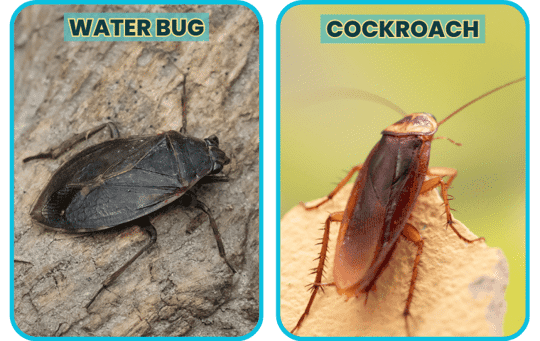
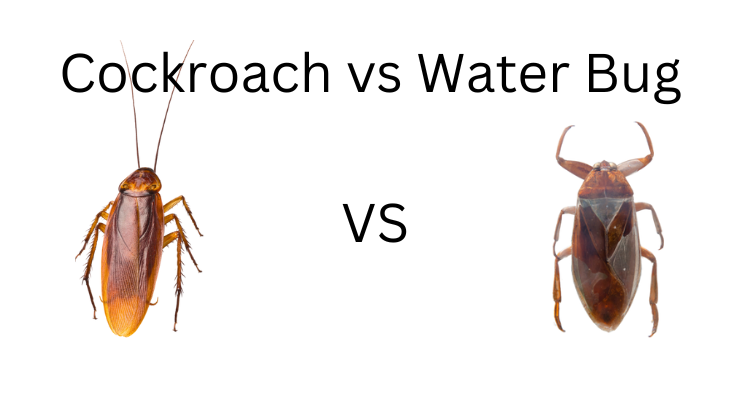
Physical differences help tell a cockroach apart from a water bug. These insects often confuse people because they look similar. Still, their size, color, and wings show clear signs to spot each one. Understanding these traits makes identification easy and quick.
Size And Shape
Cockroaches are usually smaller than water bugs. Most cockroaches measure about 1 to 2 inches. Water bugs can grow larger, sometimes up to 4 inches. Cockroaches have a flatter and more oval body. Water bugs appear rounder and bulkier. Their shape helps water bugs float and swim better.
Color Variations
Cockroaches come in shades of brown, from light tan to dark brown. Some have a shiny or glossy look. Water bugs tend to have darker colors, like deep brown or black. Their color helps them hide in water and dark places. Cockroaches often have lighter markings on their backs.
Wing Structure
Cockroaches have two pairs of wings. The front wings are hard and cover the back wings. Water bugs also have wings but use them differently. Their wings are softer and help them glide over water. Cockroaches can fly short distances, while water bugs rarely fly.
Credit: takecaretermite.com
Behavioral Traits
Behavioral traits help tell cockroaches and water bugs apart. Their habits and ways of living differ. Understanding these behaviors makes identifying them easier. This section covers where they live, when they are active, and what they eat.
Habitat Preferences
Cockroaches prefer warm, dark, and moist places indoors. They hide behind appliances, under sinks, and in cracks. Water bugs live near water sources like ponds, lakes, and drains. They often enter homes through drains or damp basements.
Activity Patterns
Cockroaches are mostly nocturnal. They come out at night to find food and water. Water bugs are also active at night but may swim or move in water during the day. Both avoid light and hide quickly when disturbed.
Feeding Habits
Cockroaches eat almost anything, including food scraps and paper. They are scavengers and can survive without food for weeks. Water bugs are predators. They hunt small insects, tadpoles, and fish in water. Their strong front legs help catch prey effectively.
Health Risks And Concerns
Both cockroaches and water bugs pose health risks in homes. Understanding these risks helps protect your family. These insects can cause serious health problems in different ways. Knowing their dangers is the first step to staying safe.
Disease Transmission
Cockroaches carry many harmful bacteria and germs. They crawl in dirty places like garbage and sewers. Then, they spread germs on food and kitchen surfaces. These germs cause illnesses such as food poisoning and diarrhea.
Water bugs also carry bacteria but are less common than cockroaches. They live in damp areas and can contaminate water sources. Both insects can spread diseases if not controlled properly.
Allergy Triggers
Cockroach droppings, saliva, and shed skin cause allergies. These allergens can trigger asthma attacks and breathing problems. Children and elderly people are more at risk of severe reactions.
Water bugs produce fewer allergens but can still cause allergic reactions. Their presence in homes may worsen respiratory issues for sensitive individuals. Keeping your home clean reduces these allergy triggers.
Common Misconceptions
Many people mix up cockroaches and water bugs. This confusion leads to wrong ideas about these insects. Understanding the common misconceptions helps clear up the differences.
Knowing the facts makes it easier to identify these bugs correctly. It also helps in dealing with them the right way.
Terminology Confusion
People often use “water bug” and “cockroach” as the same name. In reality, water bugs belong to a different group of insects. Cockroaches are a separate family with many species. The name “water bug” can mean different insects in different places. This causes mix-ups and wrong information.
Some large cockroaches are called water bugs by mistake. This adds to the confusion and misunderstanding about their behavior and habitat.
Misidentification Issues
Many people mistake cockroaches for water bugs because of their size and color. Both insects can be dark brown or black. Both can be found in damp places. But water bugs usually live near water bodies, while cockroaches live indoors or in dry places.
Misidentifying these insects can lead to wrong pest control methods. Each insect needs specific treatment to control or remove them. Knowing the exact insect helps choose the best solution.
Control And Prevention
Controlling and preventing cockroaches and water bugs is important for a clean home. Both pests can cause problems but need different approaches. Understanding how to manage them helps keep your space safe and healthy.
Effective Pest Management
Use traps and baits designed for cockroaches. These attract and kill them quickly. For water bugs, use insecticides that target their hiding spots. Always read product labels carefully. Pest control professionals can help with large infestations. Early action stops pests from spreading. Regular monitoring keeps pests under control.
Home Maintenance Tips
Seal cracks and holes where pests enter. Fix leaking pipes to reduce water sources. Clean kitchen surfaces daily to remove food crumbs. Store food in airtight containers. Remove standing water around the house. Keep garbage bins tightly closed. Use dehumidifiers in damp areas. These steps make your home less inviting to pests.

Credit: www.prevention.com
Frequently Asked Questions
What Physical Traits Differentiate Cockroaches From Water Bugs?
Cockroaches have oval, flat bodies with long antennae. Water bugs are larger, with a more rounded, shield-like shape and stronger legs for swimming. These distinct features help identify each insect accurately.
Are Water Bugs And Cockroaches Equally Harmful?
Cockroaches spread bacteria and allergens, posing health risks. Water bugs are less harmful but can bite and cause mild irritation. Both should be controlled to maintain a clean environment.
Where Do Cockroaches And Water Bugs Usually Live?
Cockroaches prefer warm, dark indoor spaces like kitchens. Water bugs are commonly found near freshwater bodies, ponds, and sometimes damp basements. Their habitats reflect their different lifestyles.
Can Water Bugs Survive Indoors Like Cockroaches?
Water bugs can survive indoors temporarily but need moisture to thrive. Cockroaches adapt well to indoor environments and reproduce quickly. Water bugs are less common inside homes.
Conclusion
Cockroaches and water bugs often confuse people. They look alike but act differently. Cockroaches usually live indoors and eat many things. Water bugs prefer water and can swim well. Knowing these differences helps in pest control. It also keeps your home cleaner and safer.
Next time you see one, you will know what it is. Simple facts make a big difference. Stay aware and protect your space from these pests.