Have you ever spotted a creepy insect scurrying across your floor and wondered if it was a cockroach or a waterbug? You’re not alone.
Many people confuse these two because they look similar, but knowing the difference can save you from unnecessary worry and help you take the right action. You’ll discover simple ways to tell them apart and understand why it matters for your home and health.
Keep reading—you might be surprised at what you’ve been missing!
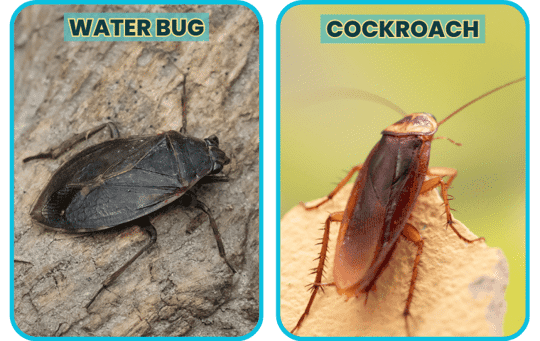
Credit: www.nativepestmanagement.com
Cockroach Basics
Cockroaches are insects known worldwide for their resilience and ability to survive in many environments. They often cause concern because they live near humans and can spread germs. Understanding the basics of cockroaches helps in identifying and managing them effectively.
These insects vary in size and color but share common traits that make them easy to recognize. Their habits and species diversity also affect how they interact with people and homes.
Physical Traits
Cockroaches have flat, oval bodies with long antennae. Their legs are spiny and help them move quickly. Most are brown or black, with some showing lighter shades. Many have wings, but not all can fly well. Their size ranges from small to quite large, depending on the species.
Common Species
Several cockroach species are common in homes. The German cockroach is small and light brown. The American cockroach is bigger and reddish-brown. The Oriental cockroach is dark and prefers damp places. Each type has unique habits and places they like to live.
Behavior Patterns
Cockroaches are mostly active at night. They hide during the day in dark, warm spots. They eat almost anything, including food scraps and paper. Cockroaches reproduce quickly, making control difficult. They can survive without food for weeks but need water regularly.

Credit: www.prevention.com
Waterbug Characteristics
Waterbugs are often confused with cockroaches, but they have distinct traits. These insects belong to different groups and behave differently. Understanding waterbug characteristics helps in identifying them correctly.
Waterbugs are large insects usually found near water sources. They have unique features that set them apart from other bugs.
Physical Appearance
Waterbugs are generally bigger than cockroaches. Their bodies are oval and flat, helping them move easily on water surfaces. They have long legs and antennae. Their color ranges from dark brown to black, which helps them blend in with wet environments.
Habitat Preferences
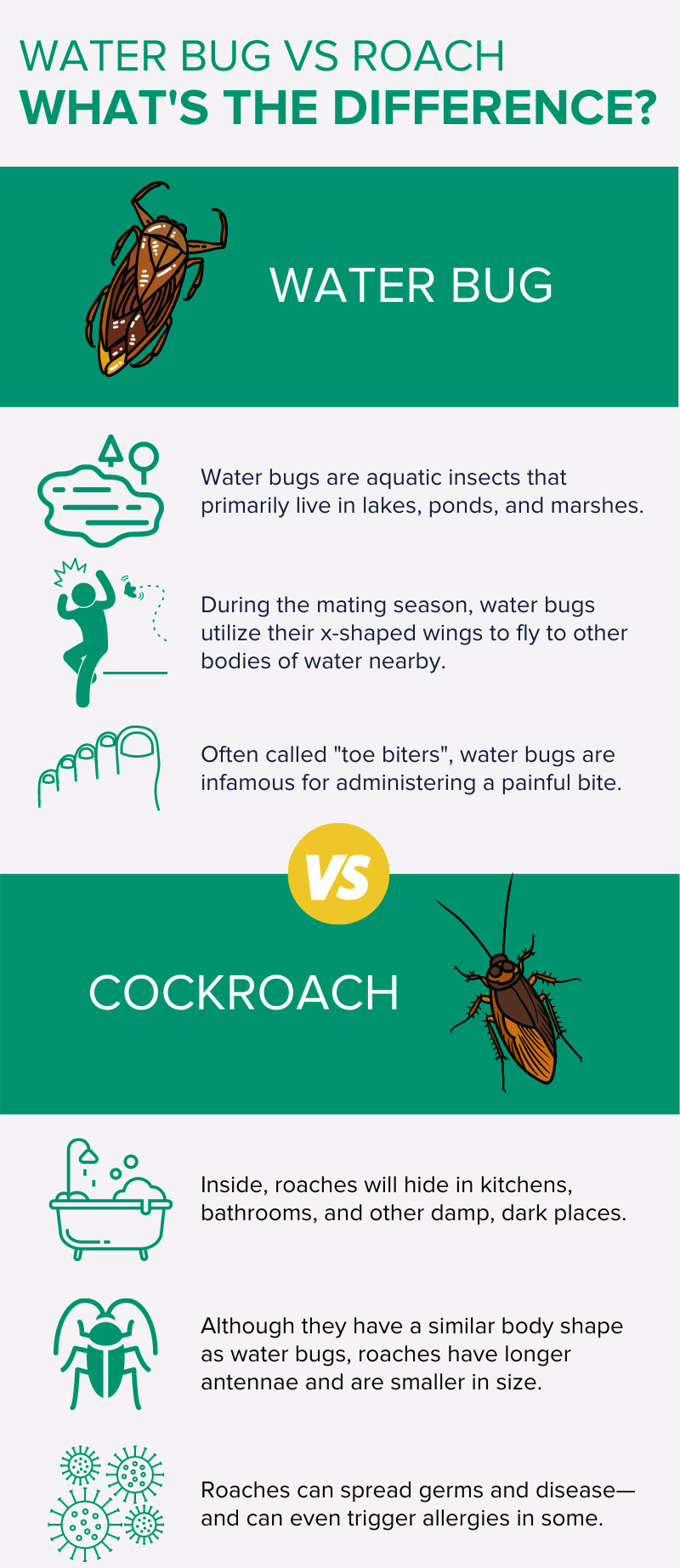
Waterbugs prefer wet places like ponds, streams, and marshes. They often hide under rocks or leaves near water. Unlike cockroaches, waterbugs rarely live indoors. They need moist areas to survive and reproduce.
Feeding Habits
Waterbugs are predators. They hunt small insects, tadpoles, and even tiny fish. They use their strong mouthparts to catch and eat prey. Their diet helps control insect populations near water.
Comparing Size And Shape
Size and shape help tell apart cockroaches and waterbugs. They look similar but have clear differences. These differences affect how they move and where they live. Understanding size and shape can help identify each insect correctly.
Size Differences
Cockroaches vary in size but are usually smaller than waterbugs. Most cockroaches measure about 1 to 2 inches long. Waterbugs tend to be larger, often reaching 2 to 3 inches. Their bigger size makes them more noticeable.
Shape Variations
Cockroaches have a flat, oval body. Their bodies are wider and more rounded at the edges. Waterbugs have a more streamlined, rounded shape. They are built for swimming, with legs that look like paddles.
Body Texture And Color
Cockroaches often have a rough, shiny body. Their colors range from light brown to dark reddish-brown. Waterbugs usually have a smoother, darker body. Many appear almost black or dark brown.
Differences In Movement
Movement shows clear differences between cockroaches and waterbugs. Watching how they move helps identify them quickly. Their speed, style, and patterns vary a lot. These traits reflect their habits and environments.
Movement Speed
Cockroaches run very fast on solid surfaces. They dart quickly to hide from danger. Their speed helps them escape threats easily. Waterbugs move slower on land but are fast in water. They swim using their legs like paddles. On land, their movement looks clumsy and slow.
Movement Style
Cockroaches use quick, jerky movements with sudden stops. Their legs move rapidly to change direction fast. This zigzag motion helps them avoid predators. Waterbugs glide smoothly in water with steady strokes. On land, they crawl with a clumsy, slow gait.
Movement Environment
Cockroaches prefer dry, dark places and run on floors and walls. They can climb vertical surfaces easily. Waterbugs live mostly in water and move well underwater. They come to land mainly to rest or mate. Their movement adapts to the wet or dry habitat.
Habitat And Environment
Understanding the habitat and environment of cockroaches and waterbugs helps tell them apart. Both insects live in places that suit their needs. Their home choices affect where you might find them in your house or outside.
Indoor Vs Outdoor
Cockroaches often live indoors. They prefer warm, dark places like kitchens and bathrooms. You may find them near food and water sources. Waterbugs, on the other hand, usually stay outdoors. They hide under rocks, leaves, or wood. Waterbugs rarely enter homes unless the environment outside changes.
Water Proximity
Waterbugs need water to survive. They live close to ponds, streams, or wet areas. Cockroaches can live farther from water but still need some moisture. They are more flexible about their environment. Waterbugs rely on water, so they are found near it most times.
Health Risks And Concerns
Both cockroaches and waterbugs can cause health problems. They carry germs that affect humans. Understanding their health risks helps keep homes safe and clean.
Germs And Bacteria Spread By Cockroaches
Cockroaches carry harmful bacteria on their legs and bodies. These bacteria cause food poisoning and diarrhea. They contaminate food, utensils, and kitchen surfaces. Cockroach droppings can trigger asthma and allergies in children. Their presence often means poor sanitation.
Waterbugs And Their Health Impact
Waterbugs also carry bacteria but less often than cockroaches. They live near water and damp areas. Their bites can cause skin irritation and swelling. Waterbugs do not usually spread diseases like cockroaches. Still, their presence signals moisture problems that can harm health.
Why Pest Control Matters
Removing cockroaches and waterbugs reduces health risks. Regular cleaning and sealing entry points keep pests out. Using safe pest control methods protects family health. Early action stops pest infestations from growing.
Pest Control Strategies
Pest control strategies help manage cockroach and waterbug problems effectively. Both pests can cause discomfort and health risks. Understanding how to prevent and treat infestations keeps your home safe and clean.
Prevention Tips
Keep your home dry and clean to stop pests. Fix leaks and remove standing water. Store food in sealed containers. Clean crumbs and spills immediately. Seal cracks and gaps around doors and windows. Take out garbage regularly. These steps make your home less inviting to pests.
Treatment Options
Use baits and traps designed for cockroaches or waterbugs. Apply insecticides carefully, following the instructions. Call a pest control professional for severe infestations. Early treatment stops pests from spreading. Consistent effort is key to success.
Common Misconceptions
Many people confuse cockroaches with waterbugs. This misunderstanding causes wrong pest control methods. Knowing the difference helps in handling these insects properly.
What People Usually Call Waterbugs
Many call large cockroaches waterbugs. The name waterbug is often used for American cockroaches. These cockroaches live in damp places and near water.
Waterbugs Are Not True Bugs
True waterbugs belong to a different insect group. They live in water and have different body shapes. Cockroaches are not water insects but land insects.
Appearance Differences Often Overlooked
Cockroaches have flat, oval bodies and long antennae. True waterbugs have a more rounded shape and strong front legs. These differences are easy to spot with close look.
Credit: ja-roy.com
Frequently Asked Questions
What Is The Main Difference Between Cockroaches And Waterbugs?
Cockroaches are a broad group of insects, while waterbugs usually refer to specific large cockroach species. Waterbugs often live near water and appear more oval-shaped. Both can infest homes, but waterbugs tend to be larger and are often mistaken for other insects.
Are Waterbugs And Cockroaches The Same Insect?
No, waterbugs are a type of large cockroach, but not all cockroaches are waterbugs. The term “waterbug” is often used for certain species like the American cockroach. They differ in habitat, size, and behavior, though both belong to the cockroach family.
Do Waterbugs Carry Diseases Like Cockroaches?
Yes, both waterbugs and cockroaches can carry bacteria and allergens harmful to humans. They contaminate food and surfaces, increasing the risk of illness. Proper cleaning and pest control help reduce these health risks efficiently.
How Can I Identify A Waterbug Versus A Cockroach?
Waterbugs are usually larger, with a shiny, reddish-brown body and long legs. Cockroaches vary in size and color but are generally smaller and less shiny. Habitat clues also help; waterbugs prefer moist environments near water sources.
Conclusion
Cockroaches and waterbugs look similar but are not the same. Waterbugs are usually larger and live near water. Cockroaches prefer warm, dry places inside homes. Both can cause problems if they enter your space. Knowing their differences helps you handle them better.
Keep your home clean and dry to avoid pests. Watch for signs of each insect to act quickly. This knowledge helps protect your home and health. Stay aware and take simple steps to stay pest-free.