Centipedes are common creatures you might find in your garden or house. They have many legs and move very fast. Some people are scared of them because they look strange. But are all centipedes dangerous? Are all centipedes poisonous? In this article, we will talk about which centipedes are poisonous and how to stay safe.
What Are Centipedes?
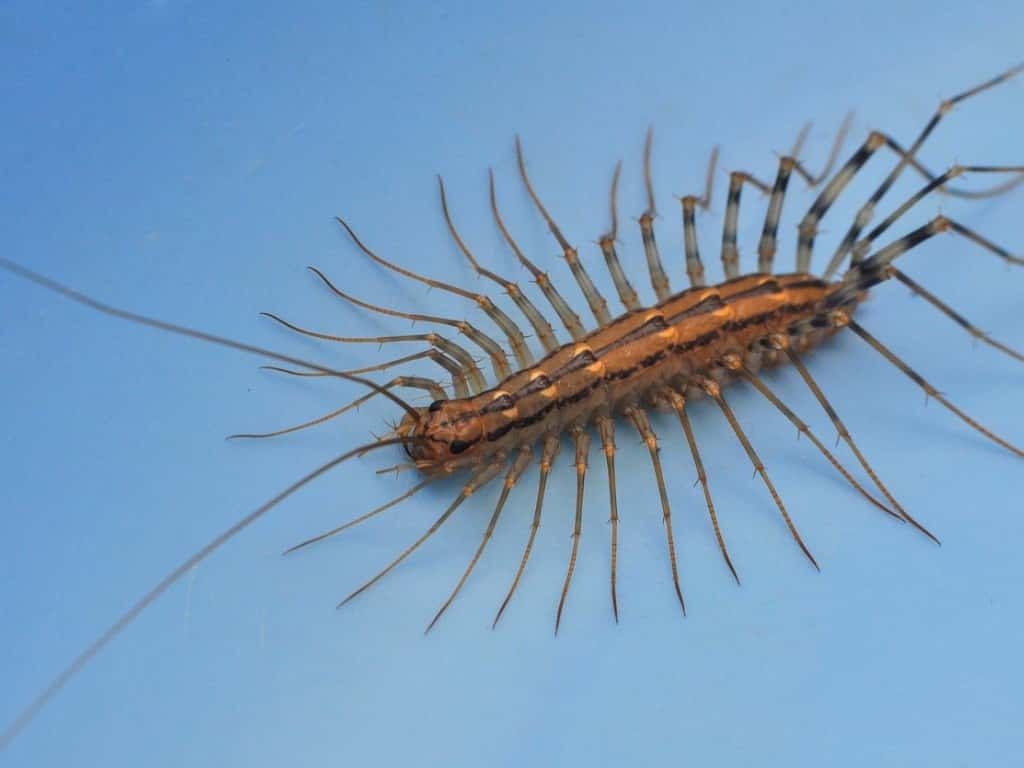
Centipedes are long, thin animals with many legs. They belong to the class called Chilopoda. The name “centipede” means “hundred feet,” but most centipedes do not have 100 legs. They usually have between 15 and 177 pairs of legs.
Centipedes live in many places around the world. They like dark, wet places like under rocks, leaves, or wood. Centipedes are hunters. They eat insects, spiders, and sometimes small animals. They use their front legs, called “forcipules,” to bite and inject venom into their prey.
Are All Centipedes Poisonous?
Yes, all centipedes have venom. They use venom to catch food and protect themselves. But not all centipedes are dangerous to humans. Some centipedes have venom that is too weak to hurt people. Others have venom that can cause pain and swelling.
Centipede venom is made of many chemicals. It can cause pain, redness, swelling, and sometimes allergic reactions. But serious harm to humans is rare. Most bites feel like a bee sting and get better quickly.
Which Centipedes Are Most Poisonous?
Some centipedes have stronger venom than others. These centipedes can cause more pain and problems. Here are the most poisonous centipedes that you should know about:
1. Scolopendra Centipedes
The Scolopendra genus has the largest and most venomous centipedes. They can grow up to 12 inches (30 cm) long. These centipedes live in warm places like Asia, Africa, and the Americas.
Scolopendra centipedes have a strong venom that can cause very bad pain. Their bite can cause swelling, redness, and sometimes fever. In rare cases, the bite can cause serious allergic reactions or infections.
Examples of dangerous Scolopendra species:
- Scolopendra subspinipes – Found in Asia and the Pacific.
- Scolopendra gigantea – Known as the Amazonian giant centipede.
- Scolopendra heros – Found in the southern United States.
2. Other Large Tropical Centipedes
Besides Scolopendra, some other large tropical centipedes can have strong venom. These species live in rainforests and warm climates. Their bites hurt a lot but are rarely deadly.
These centipedes are active hunters. They use venom to catch insects and small animals.
Credit: www.poison.org
What Happens If a Centipede Bites You?
Most centipede bites cause pain and swelling. The pain can feel sharp or burning. Some people get redness and itching around the bite.
Here is what you may feel:
| Symptom | Description |
|---|---|
| Pain | Sharp or burning pain at the bite site. |
| Swelling | Area around the bite may become swollen. |
| Redness | Skin near the bite turns red. |
| Itching | Some people feel itchy at the bite area. |
| Fever | Rare, but some bites can cause fever. |
Most bites heal within a few days. Serious problems are very rare. If you have trouble breathing, swelling of the face, or feel very sick, see a doctor immediately.

Credit: www.russellspest.com
How to Avoid Centipede Bites
Centipedes usually try to avoid humans. They bite only when threatened or handled. Here are some tips to prevent bites:
- Wear gloves when working in the garden.
- Check shoes and clothes before wearing them.
- Keep your home clean and dry to avoid centipedes.
- Seal cracks and holes in walls and doors.
- Remove piles of leaves, wood, and debris near your home.
How to Treat a Centipede Bite
If a centipede bites you, follow these steps:
- Wash the bite area with soap and water.
- Apply a cold pack to reduce pain and swelling.
- Take pain medicine like ibuprofen if needed.
- Use an antihistamine if you feel itching or swelling.
- Keep the bite area clean to avoid infection.
- See a doctor if you feel very sick or have an allergic reaction.
Interesting Facts About Centipedes
Here are some quick facts about centipedes:
- Centipedes have one pair of legs per body segment.
- They can run very fast for their size.
- Centipedes hunt insects and small animals at night.
- They use venom to catch prey and defend themselves.
- Centipedes do not have 100 legs, usually fewer.
- Some centipedes can live for several years.
Summary
All centipedes have venom, but not all are dangerous to humans. The most poisonous centipedes belong to the Scolopendra genus. Their bites can cause pain and swelling. Most centipede bites are not serious. You can avoid bites by being careful in places where centipedes live. If bitten, clean the wound and watch for signs of allergy. Seek medical help if needed.
Centipedes are part of nature and help control insect populations. They are interesting creatures but should be treated with respect. Knowing which centipedes are poisonous helps you stay safe.
Frequently Asked Questions
Which Centipedes Are Poisonous To Humans?
Some centipedes, like the Scolopendra species, have venomous bites. Their venom can cause pain and swelling but is rarely deadly.
How Dangerous Is A Centipede Bite?
Centipede bites cause pain, redness, and swelling. Serious reactions are rare and usually happen in allergic people.
Do All Centipedes Have Venom?
Not all centipedes have venom strong enough to harm humans. Only larger species have venom that can cause noticeable pain.
Can Centipede Venom Be Fatal?
Centipede venom is rarely fatal to humans. Most bites cause mild to moderate pain and heal without serious problems.