
Have you ever tried to get rid of cockroaches, only to find them back the next day? You’re not alone.
These tiny creatures seem almost impossible to kill. But why is that? What makes cockroaches so tough to eliminate from your home? Understanding the secrets behind their survival can help you finally take control. Keep reading, and you’ll discover the surprising reasons cockroaches outsmart most pest control methods—and what you can do to stop them for good.
Cockroach Biology
Cockroaches are tough pests. Their biology makes them very hard to kill. Understanding their body and habits helps explain why they survive so well.
These insects have features that protect them. Their ability to reproduce quickly adds to their strength. They also adjust easily to many environments.
Anatomy And Physiology
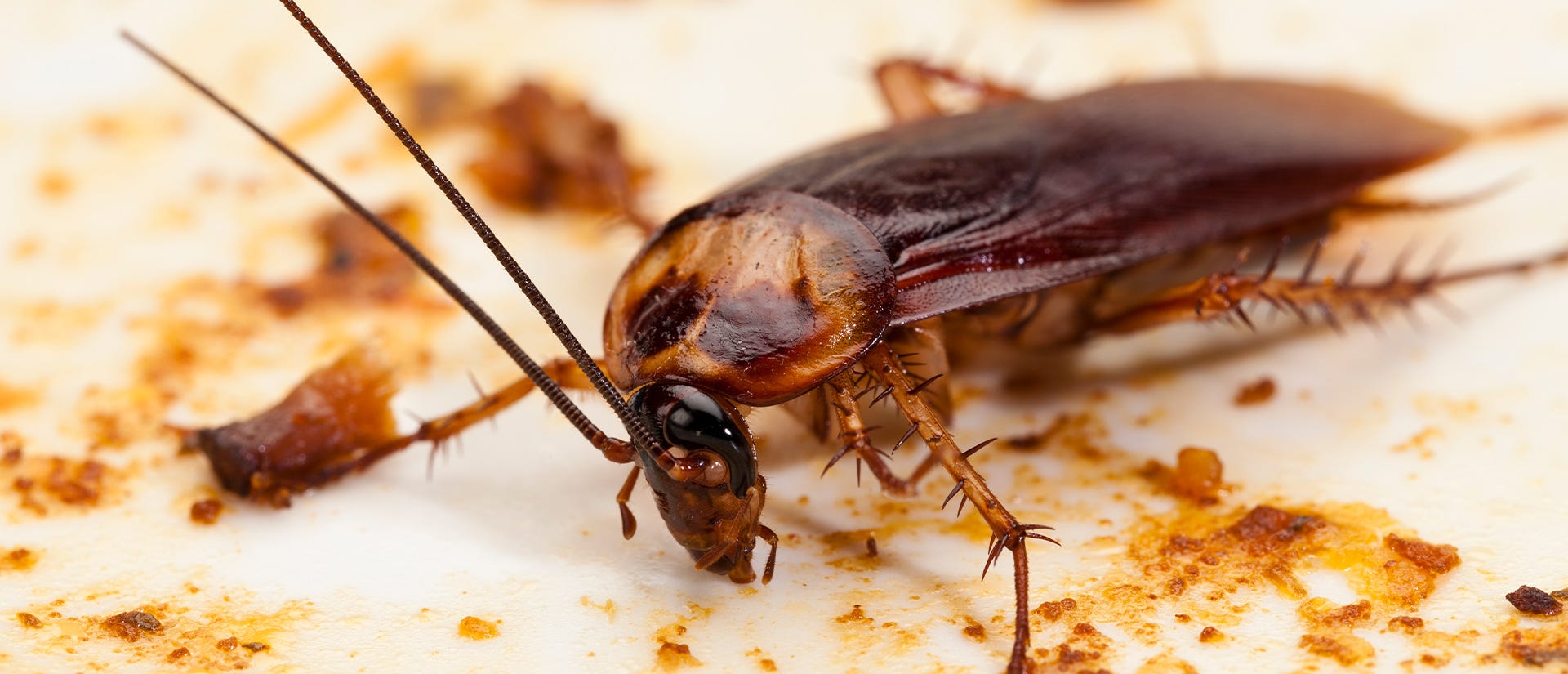
Cockroaches have a flat, oval body. This shape helps them hide in small spaces. Their hard outer shell shields them from harm. They can live without food for weeks. Their legs allow fast, agile movement. They have long antennae to sense danger. Their simple breathing system needs little air. These features help them survive harsh conditions.
Reproductive Abilities
Cockroaches reproduce rapidly. A female can lay hundreds of eggs. Eggs are often hidden in safe places. Young cockroaches grow quickly into adults. They mature in just a few months. This fast reproduction keeps their numbers high. It makes it hard to control infestations.
Adaptations To Environment
Cockroaches live almost anywhere. They survive extreme heat and cold. They can eat many types of food. Even glue or soap can be food. Cockroaches can live without water longer than other insects. Their behavior changes to avoid dangers. These adaptations help them thrive in homes and outdoors.

Credit: piedpiperpestcontrolinc.com
Survival Mechanisms
Cockroaches survive in many tough conditions. Their survival mechanisms make them very hard to kill. These insects have unique features that help them live through dangers that would kill other creatures quickly. Understanding these features explains why cockroaches are so persistent and difficult to remove.
Resistance To Radiation
Cockroaches can survive radiation levels much higher than humans. This is because their cells repair DNA damage faster. Radiation usually kills cells by breaking DNA strands. Cockroaches fix these breaks quickly, allowing them to live through exposure. This resistance helps them survive nuclear fallout and other harsh environments.
Ability To Withstand Starvation
Cockroaches can live without food for weeks. Their slow metabolism helps them use energy efficiently. They can also eat almost anything, from paper to glue. Water is more critical; without it, they die faster. This ability allows cockroaches to survive in places with little food available.
Rapid Regeneration And Healing
Cockroaches heal wounds faster than many insects. They can regrow lost limbs after a few molts. Their bodies close wounds quickly to avoid infection. This rapid healing helps them recover from injuries caused by predators or humans. It makes them tougher to kill and harder to get rid of.
Behavioral Traits
Cockroaches have many behaviors that help them survive. Their habits make them tough pests to kill. Understanding these behaviors explains why they avoid danger so well. These traits include how they move, hide, and talk to each other.
Nocturnal Activity
Cockroaches are mostly active at night. They hide during the day to avoid threats. Darkness helps them search for food safely. Being awake at night means fewer predators and less human activity. This habit keeps them hidden and harder to catch.
Hiding And Escaping Tactics
These insects are experts at hiding. They squeeze into tiny cracks and crevices. Their flat bodies help them fit into small spaces. They run quickly and can climb walls with ease. If threatened, they scatter fast to escape danger.
Social Behavior And Communication
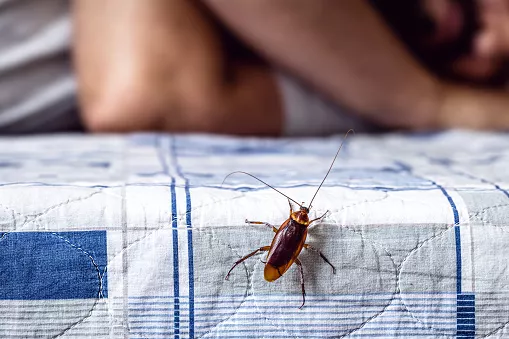
Cockroaches live in groups. They use chemicals to send messages to each other. This helps them find food and safe places. Group living also means they warn each other of dangers. This communication boosts their chances of survival.
Credit: www.framespestcontrol.com
Impact Of Human Environments
Cockroaches survive and thrive in places built by humans. Our homes, offices, and cities offer many benefits to these pests. Understanding how human environments affect cockroach survival helps explain why they are so hard to kill.
Urban Adaptation
Cockroaches have changed to live well in cities. They hide in cracks, drains, and walls. These places protect them from cold and predators. Cities also provide warmth and stable conditions year-round. This makes urban areas perfect for cockroach survival.
Food And Shelter Availability
Human environments give cockroaches easy access to food. Crumbs, garbage, and leftovers provide constant meals. They eat almost anything, even paper or glue. Shelters like cabinets, pipes, and furniture keep them safe. Plenty of food and hiding spots help cockroaches multiply fast.
Interactions With Humans
Cockroaches often live close to people. They take advantage of human habits like poor cleaning or clutter. Sometimes humans unknowingly help cockroaches spread to new places. This close contact makes it harder to eliminate them completely.
Challenges In Pest Control
Cockroaches are among the toughest pests to control. Their survival skills make pest control a real challenge. They adapt quickly and resist many common treatments. Understanding these challenges helps in finding better ways to manage them.
Chemical Resistance
Cockroaches develop resistance to many insecticides. Over time, they become less affected by chemicals. This resistance makes sprays and baits less effective. Some populations can survive strong poisons. This trait allows them to multiply despite treatments.
Effective Control Methods
Using the right methods is crucial to control cockroaches. Combining baits, traps, and sprays works best. Targeting hiding spots improves success rates. Regular cleaning removes food and water sources. Pest control experts often use integrated approaches to manage them.
Preventive Measures
Prevention is key to avoid cockroach problems. Sealing cracks and gaps stops their entry. Keeping kitchens and bathrooms dry limits their habitat. Proper waste disposal reduces food availability. Early action prevents large infestations and saves effort later.
Credit: www.terro.com
Frequently Asked Questions
Why Are Cockroaches So Difficult To Kill?
Cockroaches have fast reproduction, tough exoskeletons, and high adaptability. They hide well and resist many pesticides, making them hard to eliminate completely.
How Do Cockroaches Survive Harsh Conditions?
Cockroaches can survive without food for weeks and without water for days. Their ability to adapt to extreme environments helps them endure tough conditions.
Can Cockroaches Develop Resistance To Insecticides?
Yes, cockroaches can develop resistance to common insecticides over time. This resistance makes control efforts less effective and requires varied pest management strategies.
What Makes Cockroach Hiding Spots Hard To Reach?
Cockroaches hide in cracks, crevices, and dark places. These tight, hidden spots protect them from sprays and traps, complicating eradication efforts.
Conclusion
Cockroaches survive because they adapt quickly and hide well. Their bodies protect them from many dangers. They eat almost anything, making food hard to cut off. These bugs breed fast, so populations grow quickly. Simple sprays often don’t reach where they live.
Patience and persistent effort are key to control. Understanding their habits helps in fighting them better. Stay alert and keep your home clean always. Small steps can reduce cockroach problems over time. Don’t give up; keeping them away is possible.