Are you noticing a surprising number of earwigs crawling around your yard lately? You might be wondering why these small, dark insects seem to be everywhere.
Understanding what attracts earwigs to your outdoor space can help you take control and protect your garden. Keep reading to discover the simple reasons behind their presence and learn easy ways to reduce their numbers. Your yard deserves to be a place you enjoy—not one overrun by unwanted bugs.
Earwig Basics
Earwigs are common insects that often appear in yards. Understanding their basics helps explain why they gather in large numbers. These creatures have unique features and habits. Knowing about them can help you manage their presence.
Earwigs are small, nocturnal insects with pincers on their backs. They hide during the day and come out at night. They like moist and dark places. Gardens and yards provide perfect homes for earwigs.
What Are Earwigs?
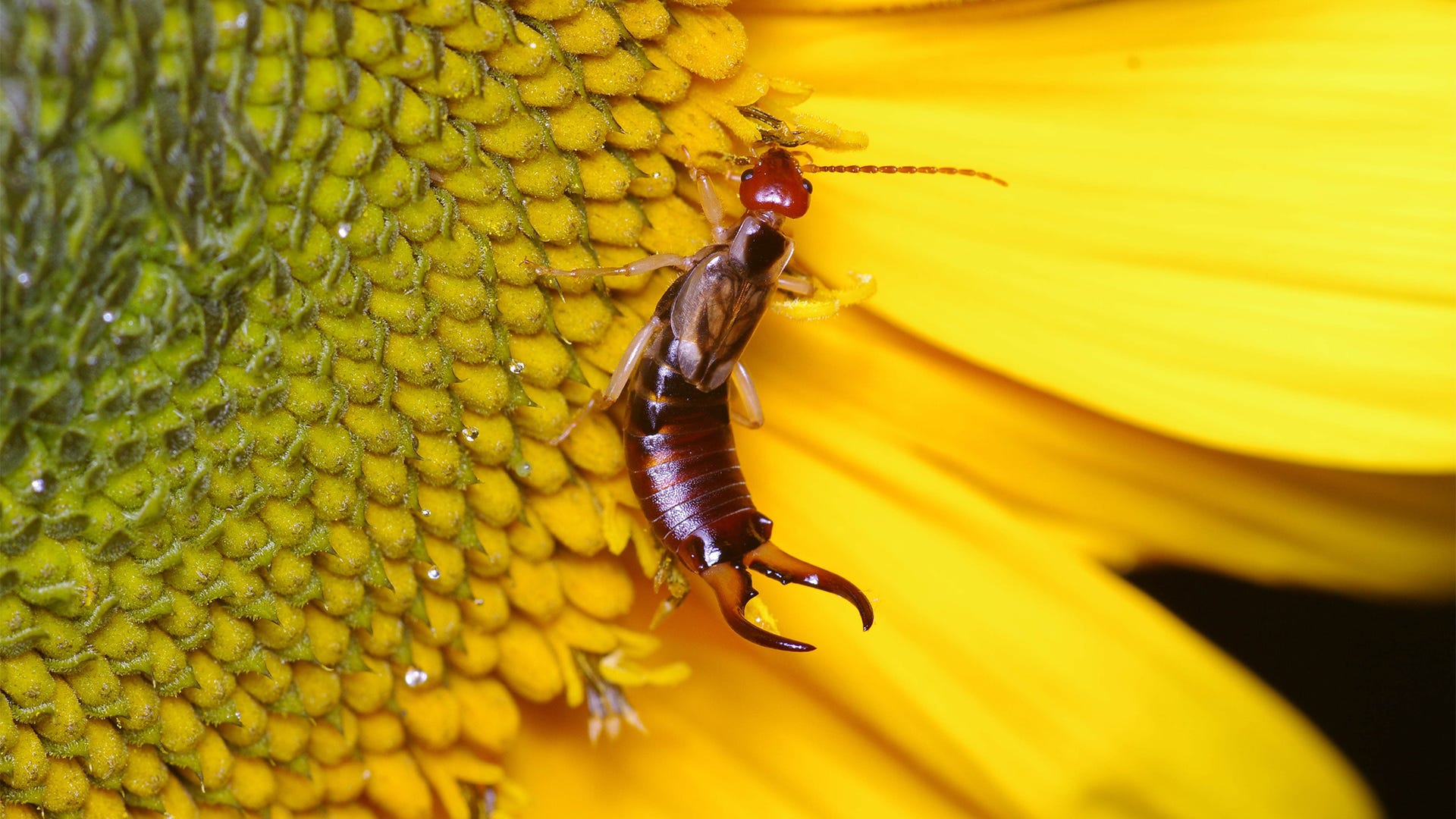
Earwigs are insects with elongated bodies and curved pincers. Their pincers look like small forceps or claws. They use these for defense and catching food. Earwigs can fly but rarely do. Most of the time, they crawl on plants and soil.
These insects eat both plants and small bugs. They help control other pests but sometimes damage plants. Earwigs prefer damp areas like under rocks or mulch. They avoid dry, sunny spots.
Common Earwig Species
The most common earwig in many yards is the European earwig. It has a reddish-brown body and black pincers. This species is known to invade homes and gardens. Another species is the brown earwig, smaller and darker in color.
Some earwigs live mostly in tropical areas and rarely appear in yards. Knowing the species helps identify their habits. It also shows the best ways to control them if needed.
Reasons For Earwig Presence
Many people wonder why earwigs gather in their yards. These small insects prefer certain environments. Understanding their reasons helps manage their presence better.
Earwigs thrive where conditions suit their needs. They find food and shelter easily. These factors attract them in large numbers.
Ideal Yard Conditions
Earwigs like dark, damp places. They hide under rocks, mulch, and leaves. Moist soil helps them stay alive. Yards with poor drainage often attract more earwigs. They avoid dry, sunny areas.
Food Sources Nearby
Earwigs eat plants and insects. Gardens with many flowers and vegetables offer plenty of food. Fallen fruits and decaying plants also attract them. They look for small insects to eat too. A yard full of food keeps earwigs coming back.
Seasonal Patterns
Earwig numbers change with seasons. They are more active in spring and fall. Cooler, wet weather suits them best. In summer, they hide during hot, dry days. Winter makes them less visible but not gone.
Earwig Behavior
Earwigs are small insects that live in many yards. Their behavior explains why they appear often around homes. Understanding their habits helps you manage them better.
These insects are active mostly at night and like to stay hidden during the day. They also have unique ways of breeding and choosing hiding places.
Nocturnal Activities
Earwigs come out only after dark. They avoid sunlight and dry conditions. At night, they search for food and mates. This is why you rarely see them during the day. Their activity at night helps them stay safe from predators.
Breeding Habits
Female earwigs lay eggs in soil or hidden spots. They guard their eggs until they hatch. This care is unusual for insects. After hatching, young earwigs stay near the mother for some time. This keeps them safe and increases their survival chances.
Hiding Spots In Yards
Earwigs hide in cool, damp places. Look under rocks, leaves, and wood piles. They prefer moist soil and mulch. These spots protect them from heat and dryness. Yard debris and dense plants make perfect shelters for earwigs.

Credit: www.almanac.com
Potential Yard Damage
Earwigs can cause noticeable harm to your yard. These small insects feed on plants and grass, leading to damage. Understanding the signs of their activity helps protect your garden and lawn. Early detection is key to minimizing harm and keeping your yard healthy.
Plant Damage Signs
Earwigs chew on leaves, flowers, and stems. Their bites appear as small holes or ragged edges. You may notice leaves with uneven or shredded parts. Flowers may look eaten or wilted. Damaged plants grow weak and lose their beauty. Check plants often for these clear signs.
Effects On Lawn And Garden
Earwigs also harm grass by feeding on young shoots. This causes brown patches and thin areas in the lawn. Garden vegetables may suffer from eaten leaves and fruits. The damage can stunt plant growth and reduce yield. Keeping earwig numbers low protects your lawn and garden health.
Natural Control Methods
Natural control methods help reduce earwig numbers without chemicals. These methods use the environment and natural habits to keep pests low. They are safe for children, pets, and plants. Using natural controls creates a healthy yard balance.
Encouraging Predators
Birds, frogs, and spiders eat earwigs. Attract these animals by planting native flowers and shrubs. Leave some leaf litter or wood piles for frogs and toads. Avoid pesticides that harm beneficial insects. Healthy predators keep earwig populations in check.
Removing Shelter Areas
Earwigs hide under stones, mulch, and garden debris. Clear away these shelters near your plants. Keep grass trimmed and remove dead leaves. Store firewood away from the garden. Reducing hiding spots lowers earwig numbers.
Water Management Tips
Earwigs thrive in moist places. Water plants early in the day to let soil dry. Fix leaky hoses and avoid overwatering. Use well-drained soil to keep roots dry. Less moisture means fewer earwigs in your yard.
Credit: www.adamspetcare.com
Chemical And Diy Solutions
Dealing with many earwigs in your yard can be frustrating. Chemical and DIY solutions help control their numbers. These methods reduce earwigs without harming your plants or pets. Choose the right option based on your yard size and earwig severity.
Safe Insecticides
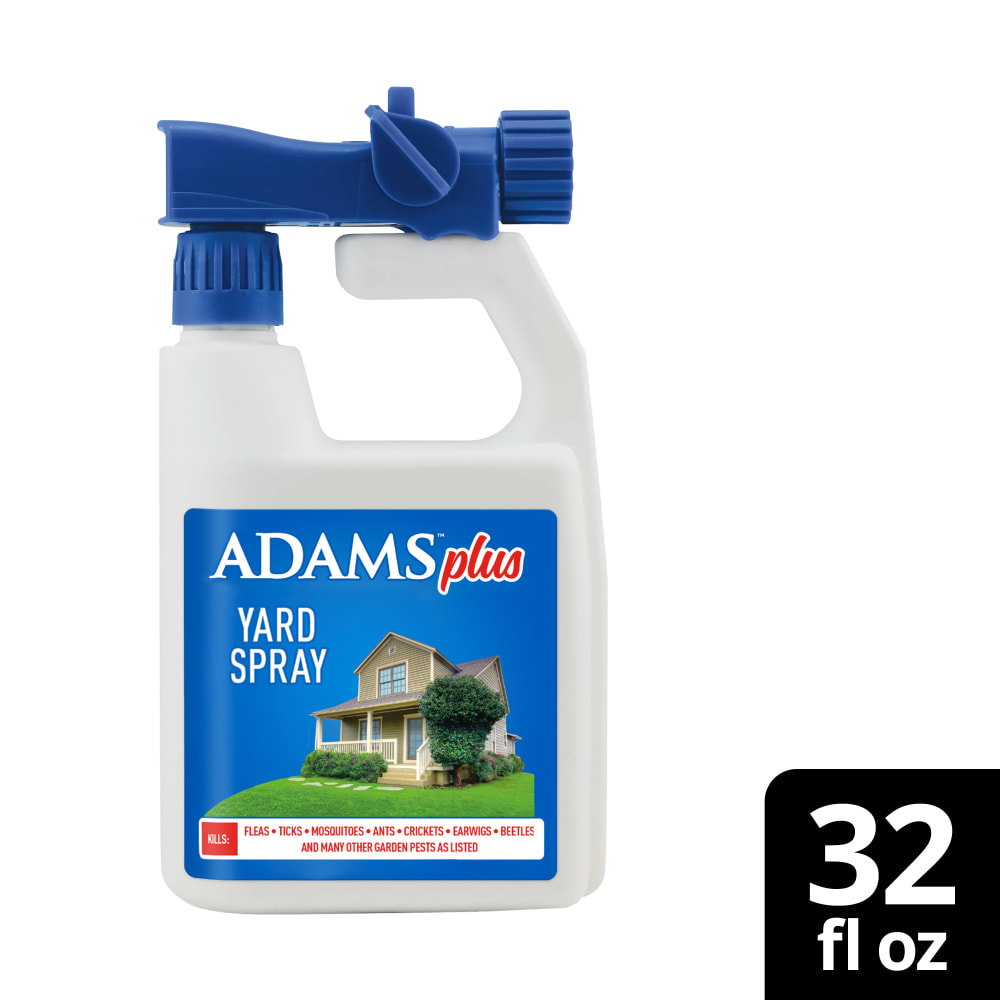
Safe insecticides target earwigs without harsh chemicals. Look for products labeled for earwig control. These insecticides kill earwigs on contact or act as bait. Apply them near mulch, plants, and dark areas where earwigs hide. Follow instructions carefully to protect beneficial insects and pets.
Homemade Traps
Homemade traps catch earwigs simply and cheaply. Use rolled damp newspaper or cardboard tubes as traps. Place traps in damp, shady spots at night. Earwigs crawl inside and stay there until morning. Dispose of trapped earwigs away from your yard. This method reduces their numbers without chemicals.
When To Call Professionals
Sometimes earwig problems grow too big for DIY solutions. Professionals use stronger treatments and special tools. They identify the source and stop earwigs from coming back. Call a pest control expert if earwigs damage plants or invade your home. Early help prevents bigger problems later.
Preventing Future Infestations
Stopping earwigs from taking over your yard starts with good prevention. Taking steps to reduce their hiding spots and food sources makes your yard less inviting. Regular care and smart habits help keep earwigs away in the future. Small changes now can avoid big problems later.
Yard Maintenance Tips
Clear away leaves, grass clippings, and garden debris. Earwigs love dark, damp places to hide. Keep mulch away from the house foundation. Trim bushes and plants to improve air flow. Fix any cracks or holes in outdoor walls. These steps remove shelter and reduce earwig activity.
Seasonal Yard Care
Check your yard often during spring and fall. Earwigs are most active in these seasons. Water plants early in the day to let soil dry. Remove piles of wood or stones where earwigs hide. Rotate garden beds to disturb earwig nesting spots. Seasonal care lowers their chance to settle and multiply.
Long-term Strategies
Use natural predators like birds and toads to control earwigs. Plant herbs such as mint or lavender, which repel them. Avoid overwatering your yard to keep soil dry. Create good drainage to prevent damp areas. Consistent care and patience reduce earwig numbers over time.
Credit: www.saferbrand.com
Conclusion
Earwigs gather in yards for food, shelter, and moisture. They like dark, damp places like under leaves or wood. These bugs help by eating other pests but can bother plants. Keeping your yard clean and dry reduces their numbers. Removing debris and fixing leaks makes it less inviting.
Watching your garden often helps catch problems early. Small changes can keep earwigs away without chemicals. Nature balances itself, but you can guide it. Understanding why earwigs visit helps you care for your yard better.