Have you ever seen a small insect with sharp pincers at the end of its body and wondered, “Why do earwigs have pincers?” Those tiny claws might look scary, but they play an important role in the earwig’s life. Understanding the purpose of these pincers can change how you see these little creatures completely.
Keep reading, and you’ll discover surprising facts that will make you appreciate the earwig’s unique design—and maybe even feel less uneasy the next time you spot one!
Earwig Anatomy
Earwigs have a unique body that helps them survive. Their anatomy shows why pincers are important. These small insects have parts that work together for protection and movement. Understanding their body helps explain why pincers are necessary.
Body Structure
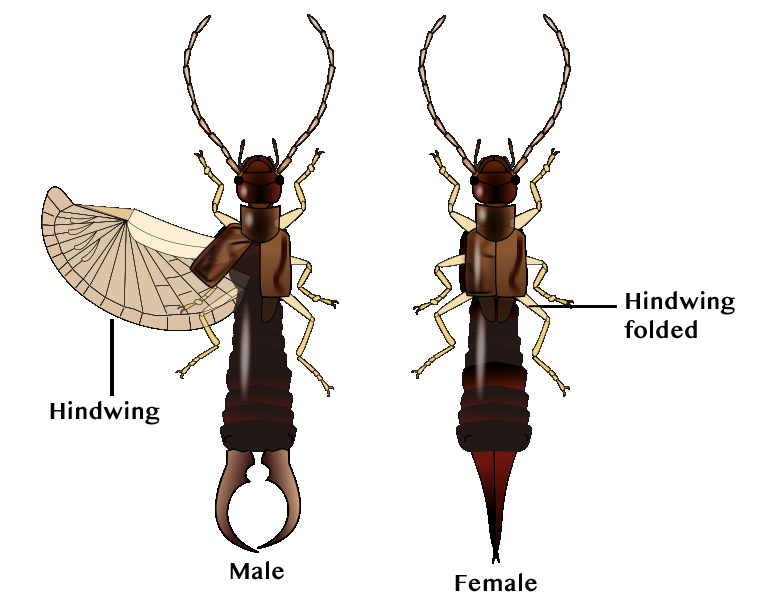
Earwigs have three main body parts: head, thorax, and abdomen. Their head holds antennae and mouthparts for sensing and eating. The thorax connects six legs for walking and two pairs of wings. The abdomen is long and flexible, ending with pincers.
Their body is flat, allowing them to hide in small spaces. Their tough outer shell protects them from harm. This structure helps them move quickly and escape predators.
Pincer Design
The pincers, called cerci, are curved and strong. They look like tiny claws at the abdomen’s end. These pincers can open and close like scissors. Earwigs use them to grab food and fight enemies.
Pincers also help in grooming and mating displays. Their shape and strength vary between males and females. Males have larger, more curved pincers for fighting. Females have smaller, straighter ones for care and defense.

Credit: www.discoverwildlife.com
Functions Of Pincers
Earwigs have pincers at the end of their bodies that serve several important purposes. These pincers are not just for show. They help earwigs survive and interact with their environment in different ways. Understanding these functions reveals why pincers are vital for earwigs.
Defense Mechanism
Earwigs use their pincers to protect themselves. They can pinch predators to scare them away. The pincers also help earwigs appear larger and more threatening. This simple defense keeps many animals from attacking.
Mating Rituals
Male earwigs use pincers during courtship. They display their pincers to attract females. Sometimes, males use them to fight other males. This helps decide who will mate. The shape and size of pincers matter in these contests.
Hunting And Feeding
Pincers assist earwigs in catching food. They grab and hold small insects or plants. The pincers help tear food into smaller pieces. This makes eating easier and faster for the earwig.
Pincer Variations
Earwig pincers are one of their most noticeable features. These pincers vary widely among earwigs. Their shapes and sizes differ based on gender and species. This variation helps earwigs survive and interact with their environment.
Differences Between Genders
Male and female earwigs have different pincers. Males usually have larger, curved pincers. These are often strong and used to fight other males. Females have smaller, straighter pincers. Their pincers help with caring for young and defense.
Species-specific Shapes
Each earwig species has unique pincer shapes. Some have long and thin pincers. Others have short and thick ones. These differences help earwigs adapt to their habitats. Pincer shapes can also help identify the species.
Common Myths About Pincers
Earwigs have pincers that spark many myths and misunderstandings. These myths often make earwigs seem scary or dangerous. Clearing up these false ideas helps us understand earwigs better and see their true role in nature.
Myth Vs Reality
Many people think earwigs use pincers to hurt humans. The truth is, their pincers are mostly for defense and catching food. Earwigs rarely pinch people, and their pinch is not harmful. Another myth is that pincers are for stabbing. Instead, earwigs use them to hold prey or fight other insects.
Misconceptions In Popular Culture
Movies and stories often show earwigs as dangerous creatures. This makes people afraid of their pincers. In reality, earwigs are shy and avoid humans. Their pincers help them protect themselves and find food, not attack people. These simple facts get lost in many popular tales.
Evolutionary Benefits
Earwigs have pincers for important evolutionary reasons. These pincers help them survive and adapt in many ways. Understanding these benefits shows how nature shapes creatures over time. The pincers are not just for show; they are vital tools for earwigs in their daily life.
Survival Advantages
Pincers protect earwigs from predators. They use them to fight or scare off threats. These tools also help earwigs catch and hold food. With pincers, earwigs can defend their homes and young ones. This increases their chances of living longer and having babies.
Adaptation Over Time
Earwigs evolved pincers gradually through many generations. Those with stronger pincers survived better. Over time, these traits became common in the earwig population. The pincers changed shape and size to suit different needs. This shows how earwigs adjusted to their environment using simple but effective tools.

Credit: www.youtube.com
Credit: dev.welcomewildlife.com
Conclusion
Earwigs use pincers for many reasons. They protect themselves from enemies. They catch food to eat. Pincers also help them during mating. These tools make earwigs unique insects. Understanding their pincers helps us learn about nature. Next time you see an earwig, remember why it has pincers.
They play a big role in the insect’s life. Simple but important. This shows how nature designs creatures to survive.