Ants are small insects that often come into our homes. They look for food and water. Sometimes, they become a problem. Many people want to stop ants from coming inside. One common question is, “Will ammonia kill ants?” In this article, we will explore this question. We will explain how ammonia works, how to use it, and if it is safe for your home.
What Is Ammonia?
Ammonia is a chemical you can find in many cleaning products. It is a strong-smelling liquid. People often use ammonia to clean windows, floors, and other surfaces. Ammonia kills some types of germs and bugs. But does it work on ants?
How Does Ammonia Affect Ants?
Ammonia is very strong and can harm ants. When ants come in contact with ammonia, it can kill them quickly. The smell of ammonia is also very strong. Ants hate strong smells. The smell can keep ants away from the area where you use ammonia.
Why Does Ammonia Kill Ants?
- Ammonia can burn the ant’s body and skin.
- It can choke ants because of the strong fumes.
- Ammonia disrupts the ant’s breathing and movement.
Because of these effects, ammonia can be a good way to kill ants fast.
How to Use Ammonia to Kill Ants
If you want to try ammonia to kill ants, here is how to do it safely and well.
- Buy household ammonia. It is easy to find in stores.
- Mix ammonia with water. Use one part ammonia to three parts water. This makes it less strong but still effective.
- Put the mixture in a spray bottle. This helps you spray the ants easily.
- Spray the ants and their trails. Ants leave a scent trail for other ants to follow. Spray this trail to stop more ants.
- Be careful not to spray on food or pets. Ammonia can be dangerous if it touches them.
- Wash the area after a few minutes. This removes leftover ammonia and dirt.
Where Should You Use Ammonia?
Ammonia works best on hard surfaces. These include:
- Kitchen floors
- Countertops
- Bathroom tiles
- Outside walls
Do not use ammonia on carpets or soft furniture. It can damage these materials. Also, avoid spraying near plants or animals.
Is Ammonia Safe to Use Around the House?
Ammonia can be dangerous if not used carefully. It has a strong smell that can hurt your eyes and nose. Some people feel sick if they breathe too much ammonia. Here are some safety tips:
- Always open windows when using ammonia.
- Wear gloves to protect your skin.
- Keep ammonia away from children and pets.
- Never mix ammonia with bleach. This can make dangerous gases.
- Use only small amounts to avoid strong fumes.
By following these rules, you can use ammonia safely to kill ants.
Other Ways to Get Rid of Ants
Ammonia is not the only way to kill ants. Sometimes, you may want to try other methods. Here are some common options:
| Method | How It Works | Pros | Cons |
|---|---|---|---|
| Soap and Water | Soap breaks ant’s skin and kills them. | Safe and easy to use. | Needs frequent spraying. |
| Vinegar | Strong smell repels ants and kills some. | Natural and safe for plants. | Less effective on large colonies. |
| Boric Acid | Poison ants when they eat it. | Long-lasting effect. | Can be toxic to pets and children. |
| Ant Baits | Ants take poison back to the nest. | Kills whole colony. | Works slowly. |
These methods can be used along with or instead of ammonia.
Will Ammonia Kill All Types of Ants?
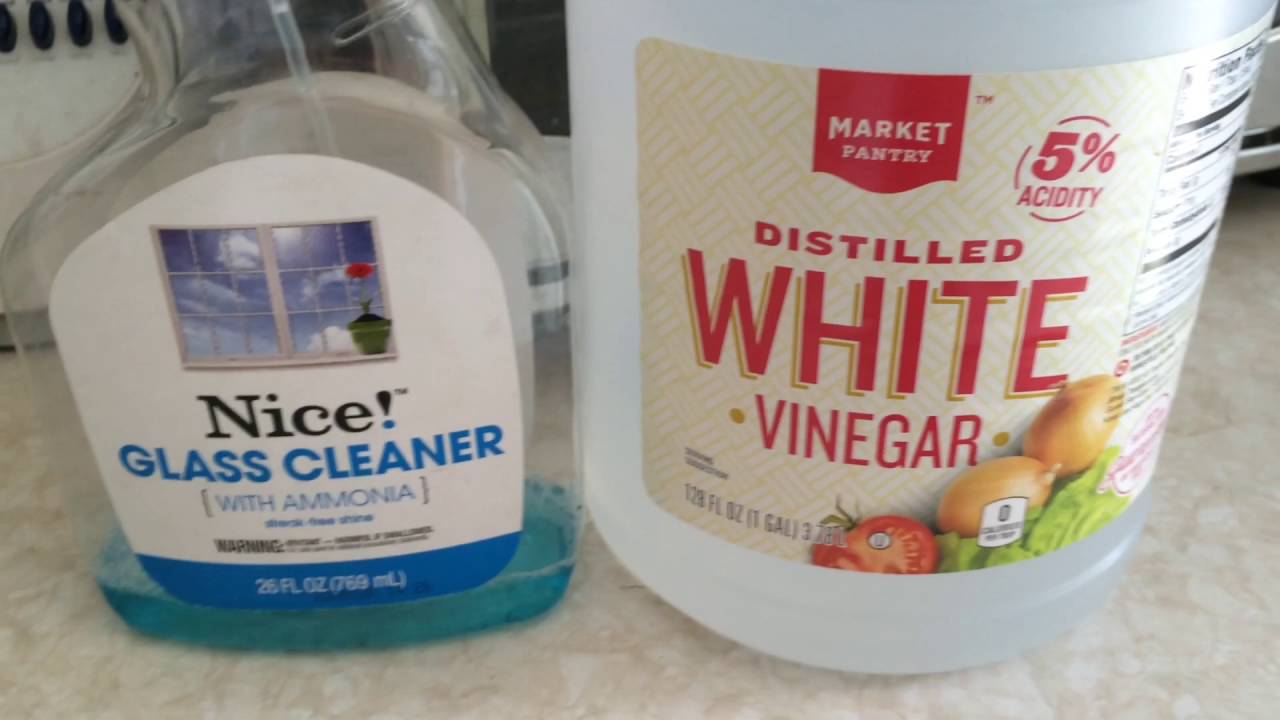
There are many ant species. Some ants live indoors. Others live outdoors. Ammonia can kill many types of ants. But it works best on ants you see in your home. These ants usually come in small groups. Large ant colonies may need more treatment.
Credit: www.youtube.com
What Are the Limits of Using Ammonia?
Ammonia can kill ants on contact. But it does not kill ant eggs or nests hidden deep. If you only spray ants you see, new ants may come later. Also, ammonia does not stop ants from coming back. It only scares them away for a short time.
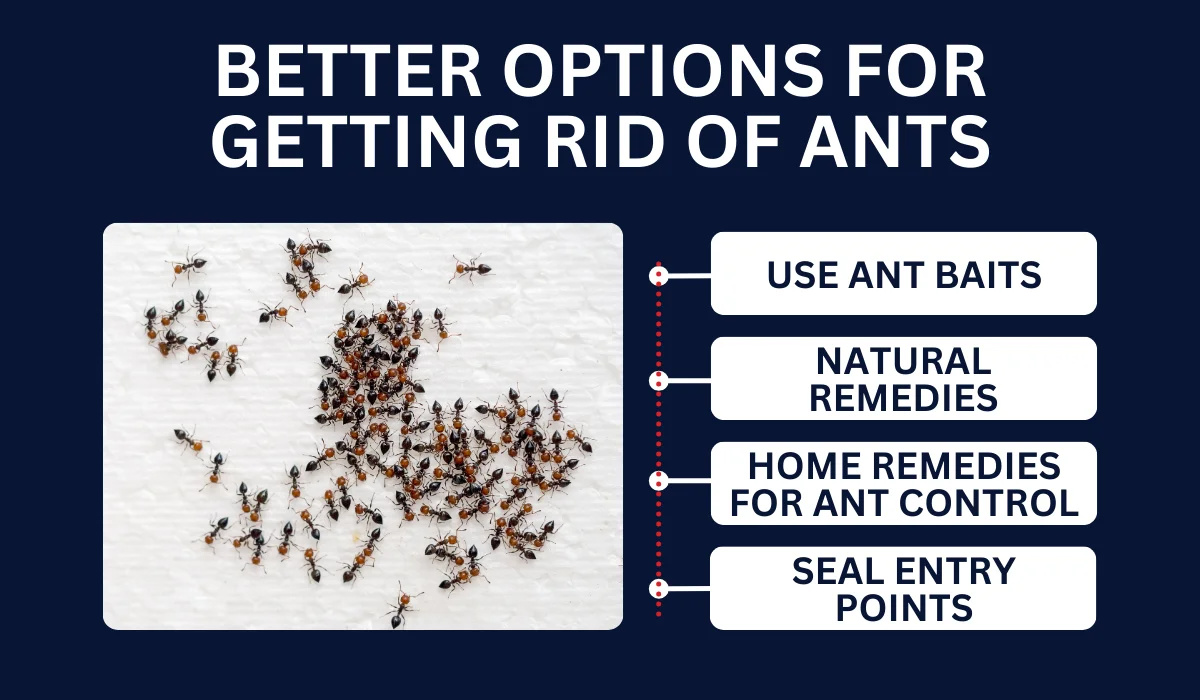
For long-term ant control, you may need other solutions. Cleaning your home well and sealing entry points helps a lot. Using ant baits or calling pest control can be more effective for big problems.
Summary: Is Ammonia a Good Solution for Ants?
Let’s look at the main points:
- Ammonia can kill ants quickly on contact.
- Its strong smell can keep ants away temporarily.
- Use diluted ammonia and spray ant trails and visible ants.
- Ammonia is not safe to use near food, pets, or children.
- It does not kill ant eggs or nests deep inside walls.
- Other methods may be needed for long-term control.
In short, ammonia can help kill ants fast. But it is not a full solution for big ant problems.
Credit: www.lajaunies.com
Tips to Prevent Ants in Your Home
Stopping ants before they come is the best way. Here are easy tips to keep ants away:
- Keep your kitchen clean and free of crumbs.
- Store food in sealed containers.
- Fix leaks and remove standing water.
- Seal cracks and holes where ants can enter.
- Take out garbage regularly.
- Use natural repellents like vinegar or lemon juice.
These simple steps make your home less attractive to ants.
Final Thoughts
Ammonia is a useful tool to kill ants fast. It works by burning their bodies and scaring them away. But it is not safe to use everywhere or all the time. You must use ammonia carefully and follow safety rules.
For many people, ammonia can be a good first step to stop ants. But for bigger problems, other methods may be better. Always try to keep your home clean and sealed. This helps prevent ants from coming back.
Now you know how ammonia works on ants. You can decide if it fits your needs. If you choose to use ammonia, remember to use it safely. Good luck keeping your home ant-free!
Frequently Asked Questions
Will Ammonia Kill Ants Instantly?
Ammonia can kill ants on contact by breaking down their outer shell. It works fast but may not reach the whole colony. For best results, use it directly on visible ants and trails.
Is Ammonia Safe To Use Around Pets And Children?
Ammonia is toxic and can irritate skin, eyes, and lungs. Keep pets and children away when using it. Always use gloves and ventilate the area well.
How Should I Apply Ammonia To Get Rid Of Ants?
Mix equal parts of ammonia and water in a spray bottle. Spray directly on ants and their paths to disrupt their scent trails. Repeat the process until ants disappear.