
Are earwigs invading your garden or home, making you feel uncomfortable and uneasy? You’re not alone, and the good news is that you can take control.
Knowing how to spray for earwigs the right way can protect your plants and living space without wasting time or money. You’ll discover simple, effective steps to keep these pests away for good. Ready to reclaim your space and enjoy a bug-free environment?
Let’s get started.
Credit: imperialsoap.com
Identifying Earwig Infestations
Identifying earwig infestations is key to controlling these pests early. Spotting them quickly helps protect your home and garden. Earwigs hide in dark, damp places and come out at night. Knowing their signs and favorite spots makes spraying more effective.
Common Signs Of Earwigs
Look for small, dark brown insects with pincers on their back. You might see them hiding under stones or mulch. Damaged plants with holes or ragged edges also hint at earwigs. Finding shed skins or eggs in moist areas signals an active infestation. Earwigs often leave a slimy trail behind.
Areas Prone To Infestation
Earwigs like cool, damp spots near plants or wood. Check flower beds, garden mulch, and compost piles. They hide under rocks, logs, and leaf piles. Cracks in walls or door frames also provide shelter. Basements and crawl spaces can attract earwigs too.

Credit: maggiesfarmproducts.com
Choosing The Right Spray
Choosing the right spray for earwigs is important to control them effectively. The spray must target earwigs without harming plants or pets. It should be easy to apply and safe for your home environment. Understanding different spray types helps you pick the best option.
Types Of Earwig Sprays
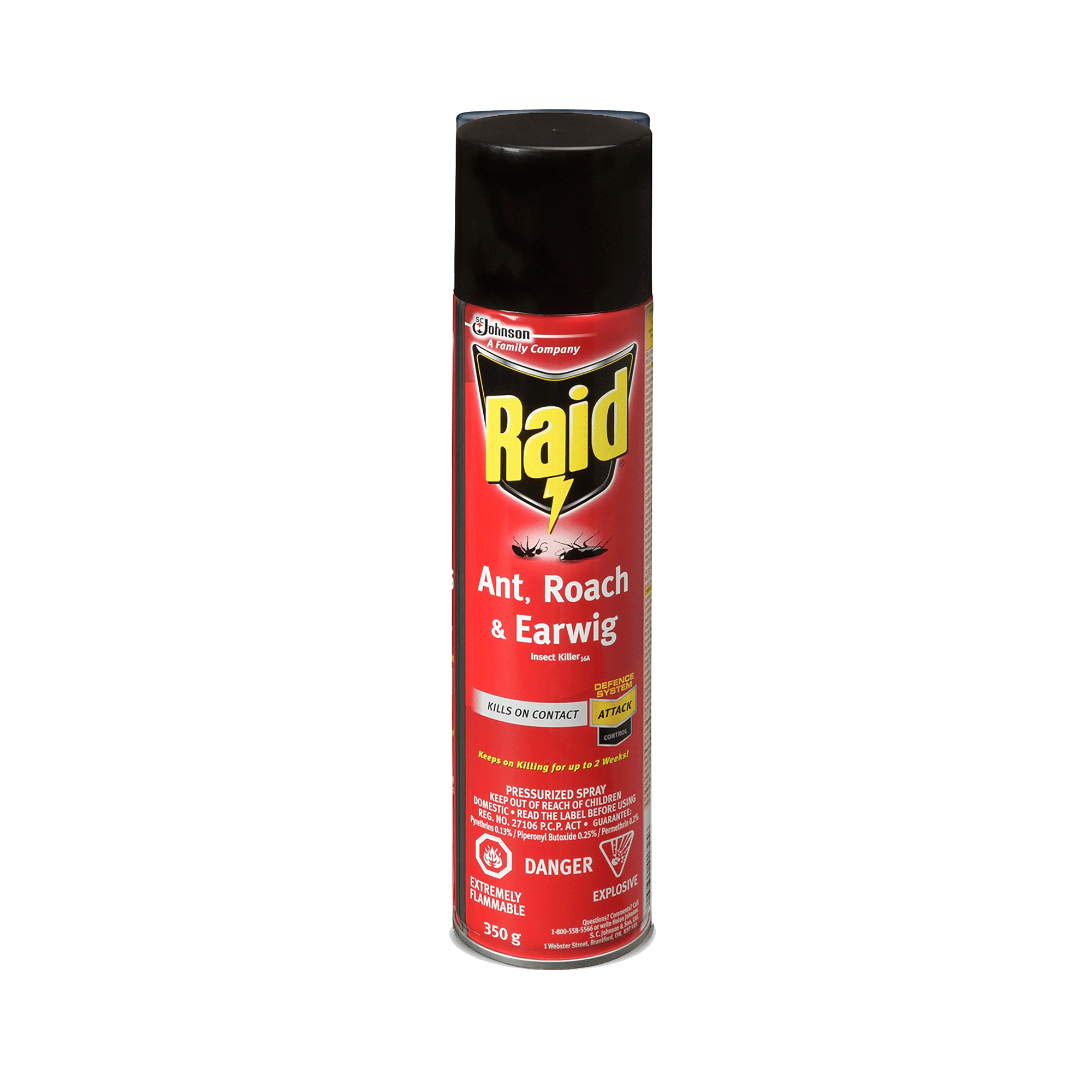
Earwig sprays come in several forms. Liquid sprays are common and spread easily on plants and soil. Aerosol sprays offer quick application and reach tight spaces. Granular sprays work well for soil treatment, slowly releasing insecticide. Each type suits different needs and areas of your garden or home.
Natural Vs Chemical Options
Natural sprays use ingredients like neem oil, garlic, or soap. They kill earwigs without harsh chemicals. These sprays are safe for children, pets, and beneficial insects. Chemical sprays contain stronger insecticides for quick results. They may control large infestations but require careful use. Choose natural sprays for regular care and chemical ones for severe problems.
Preparing The Spray Solution
Preparing the spray solution is a key step in controlling earwigs effectively. The right mix ensures the spray works well and reaches all hiding spots. Using the correct ingredients and following instructions helps avoid waste and harm. This section explains how to mix the solution and keep safe while doing it.
Mixing Instructions
Start with clean water, preferably warm, in a spray bottle or garden sprayer. Use the recommended amount of insecticide or natural repellent. Usually, this means adding a small capful or teaspoon per liter of water. Shake the bottle gently to blend the ingredients evenly. Avoid making too much solution at once to keep it fresh. Always read the label for exact measurements and directions.
Safety Precautions
Wear gloves and eye protection while mixing the spray. Work in a well-ventilated area to avoid breathing fumes. Keep children and pets away during preparation and spraying. Do not eat, drink, or touch your face until you wash your hands thoroughly. Store leftover solution out of reach and in a labeled container. These steps protect you and your family from accidental exposure.
Spraying Techniques For Best Results
Spraying earwigs correctly is key to controlling them effectively. Proper techniques ensure the spray reaches their hiding spots. This increases the chances of reducing their numbers quickly.
Using the right method also prevents waste of insecticide. It helps protect plants and the environment. Focus on how and where to spray for the best results.
Targeting Earwig Habitats
Earwigs hide in cool, dark, and damp places. Spray under leaves, garden debris, and mulch. Check cracks in walls and wood piles too. Treat these areas thoroughly for better control.
Spray around garden borders and near plants they like. Targeting their homes stops them from coming back. Avoid spraying open areas where earwigs do not stay.
Timing And Frequency
Spray earwigs in the evening or early morning. They are most active during these times. Avoid spraying in the heat of the day to keep spray effective.
Repeat spraying every 7 to 10 days. This helps catch new earwigs that appear later. Adjust frequency based on earwig activity and weather conditions.
Preventing Future Infestations
Stopping earwigs from coming back is important after spraying. It saves time and keeps your home safe. Simple steps help keep these pests away for good.
Maintaining A Clean Environment
Clean spaces do not attract earwigs. Remove piles of leaves, wood, and other debris near your home. Keep your garden tidy and free of damp spots. Dry areas are less inviting for earwigs to hide. Regularly sweep floors and clear drains to stop moisture build-up.
Using Barriers And Traps
Barriers block earwigs from entering your house. Use weather stripping on doors and windows. Seal cracks and gaps in walls and foundations. Place sticky traps near entry points to catch them early. Traps help reduce their numbers without chemicals.

Credit: www.wikihow.com
When To Call A Professional
Sometimes, earwig problems grow beyond simple sprays. Knowing when to call a professional saves time and effort. Experts have the right tools and knowledge to handle tough infestations safely and quickly. Calling help early can prevent damage to your home and garden.
Signs Of Severe Infestations
Large groups of earwigs inside your home signal a severe problem. You may see damage on plants, especially leaves and flowers. Earwigs hiding in cracks, walls, or dark corners also show a deep infestation. If sprays do not reduce their numbers, it is time to seek help. Persistent smells or a musty odor might mean earwigs have built nests nearby.
Choosing Pest Control Services
Select a pest control company with experience in handling earwigs. Check for licenses and positive customer reviews. Ask about the methods they use and if those are safe for children and pets. A good service will inspect your property first and explain the treatment plan. Compare prices but focus more on quality and safety than cost alone.
Conclusion
Spraying for earwigs helps protect your home and garden. Use the right spray and follow the instructions carefully. Treat areas where earwigs hide, like cracks and plants. Repeat the process as needed to keep earwigs away. Stay consistent and patient for best results.
Small steps prevent big problems later. Keep your space clean and dry to avoid more pests. You can control earwigs with simple, safe methods. Act early to stop earwigs from spreading. A good plan keeps your home pest-free.