
You might feel a sudden urge to squash a house centipede the moment you see one scurrying across your floor. But before you grab that shoe, stop and think.
Could this creepy crawler actually be helping your home in ways you never realized? If you want to protect your living space without unnecessary harm, it’s important to understand why killing a house centipede might do more harm than good.
Keep reading, and you’ll discover surprising reasons that could change how you see these fast-moving bugs forever.
House Centipede Basics
House centipedes are common but often misunderstood creatures. They look strange and can startle many people. Knowing their basics helps you see why they should not be killed.
These bugs are not harmful to humans. They actually help control other pests in your home. Learning about their appearance and behavior reveals their true role.
Appearance And Behavior
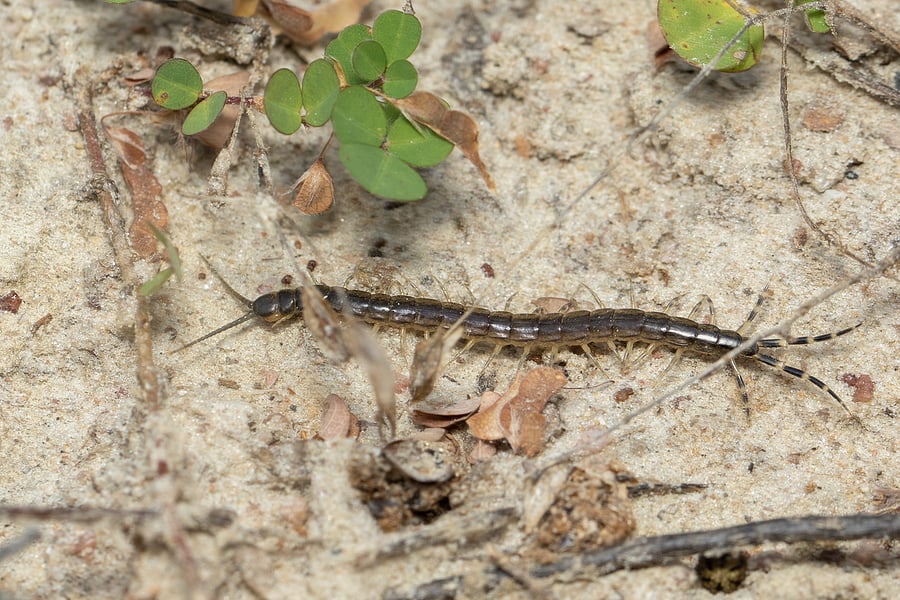
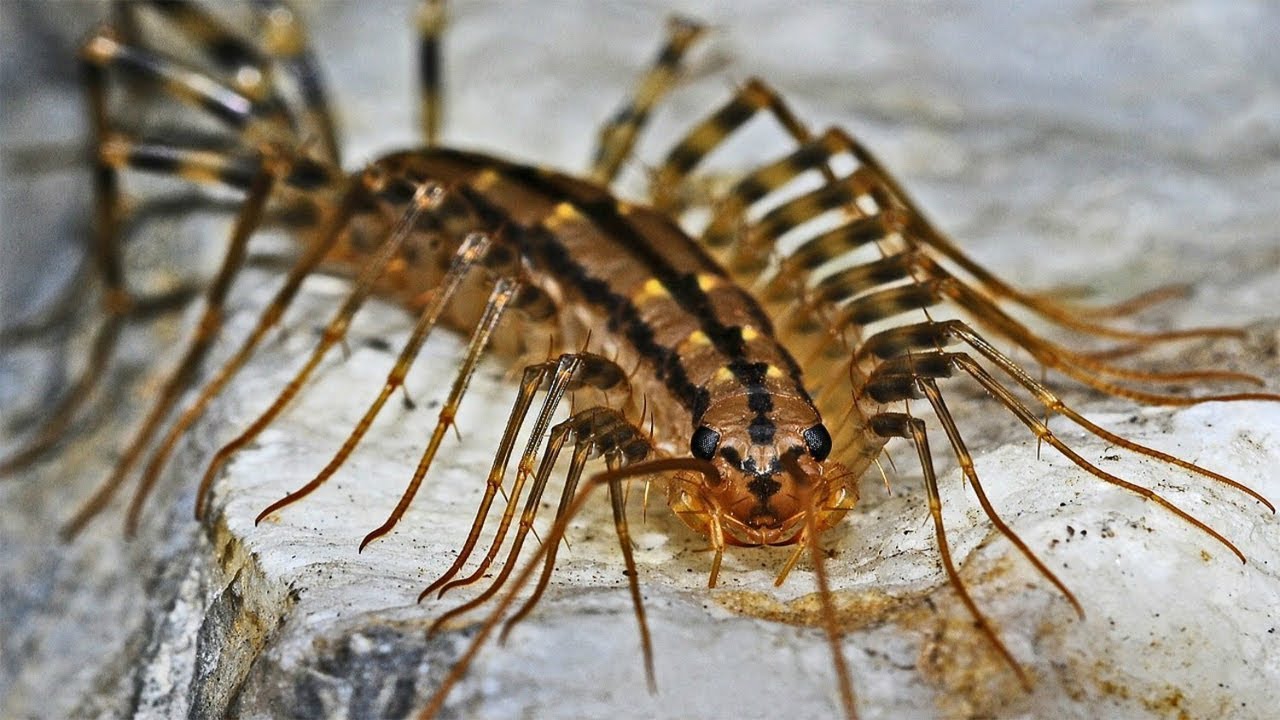
House centipedes have long, thin bodies with many legs. They usually have 15 pairs of legs. Their legs move very fast, making them quick hunters.
Their color is yellowish-gray with dark stripes. They are mostly active at night. During the day, they hide in dark, damp places.
House centipedes hunt insects like spiders, flies, and cockroaches. They help reduce pest problems naturally. Their fast movements and many legs give them a strange look.
Common Habitats
House centipedes prefer moist areas inside homes. Bathrooms, basements, and closets are common spots. They stay near water sources to stay alive.
They hide under sinks, behind furniture, and inside cracks. These spots keep them safe and help them find prey. They rarely come out in bright light.
Outside, they live under rocks, leaves, and wood piles. They avoid dry and hot places. Understanding their habitats helps you find them without fear.
Credit: www.callnorthwest.com
Natural Pest Control
House centipedes act as natural pest controllers in your home. They hunt and eat many types of insects that bother people. Keeping them around can reduce the need for chemical sprays. This helps keep your home safer and healthier.
Diet And Prey
House centipedes eat spiders, cockroaches, silverfish, and ants. They move fast to catch their prey. Their many legs help them chase insects quickly. They do not harm humans. Instead, they help by eating pests that spread germs.
Reducing Household Pests
By eating pests, house centipedes reduce the number of insects in your home. Fewer pests mean less damage to food and furniture. You will also see fewer bugs crawling around. This natural pest control keeps your house cleaner without chemicals.
Harmless To Humans
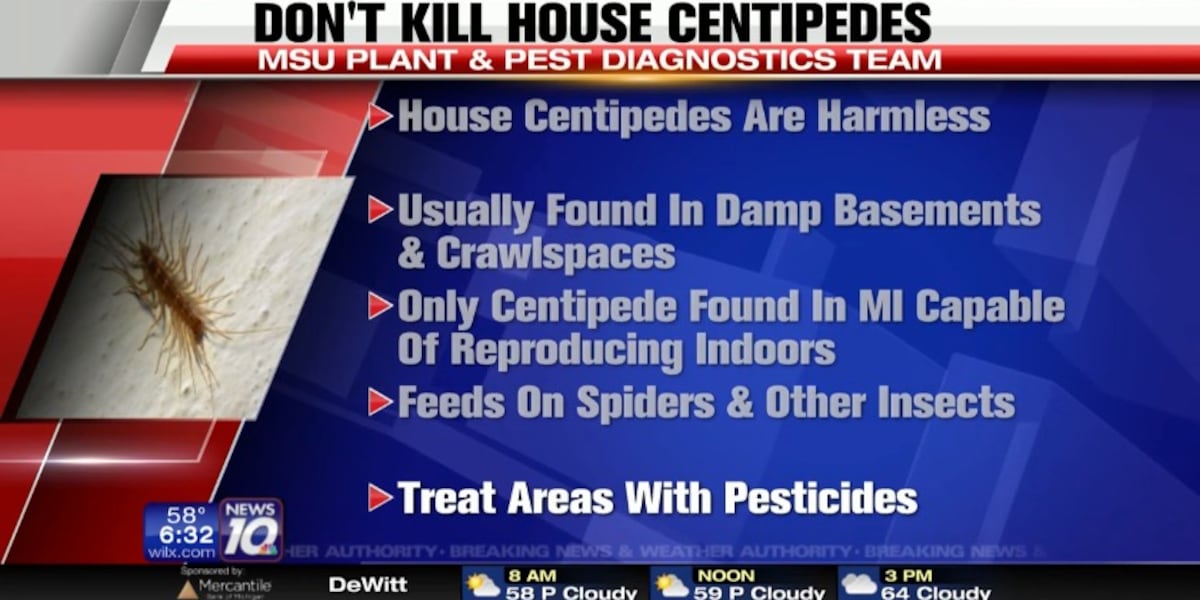
House centipedes often scare people because of their many legs and quick movements. Many think they are dangerous. The truth is, these creatures are mostly harmless to humans. Understanding this helps reduce fear and avoid unnecessary killing.
House centipedes do not attack people. They prefer to stay hidden and only come out at night. Their presence means fewer pests like spiders and cockroaches in your home.
Bites And Allergies
House centipedes can bite, but it is very rare. Their bite feels like a small pinch. Usually, it causes little or no pain. Most people do not have any allergic reaction to their bite.
Some may experience mild redness or swelling. Serious allergic reactions are almost unheard of. These centipedes avoid humans and bite only if threatened.
Misconceptions About Danger
Many people think house centipedes are deadly. This is a myth. They do not carry harmful diseases. Their venom is not strong enough to harm humans.
They help control other pests, which benefits your home. Killing them can lead to more bugs around. Learning the truth helps you see them as helpful guests.
Credit: www.wilx.com
Environmental Benefits
House centipedes play a quiet but important role in the environment. They help keep nature in balance by controlling pests. Understanding their benefits shows why they should stay alive in your home.
Maintaining Ecosystem Balance
House centipedes eat many insects like spiders, flies, and cockroaches. This helps control pest populations naturally. Without them, these pests can grow and cause problems. They act as natural pest controllers inside houses.
They also serve as food for birds and other small animals. This keeps the food chain strong and healthy. Removing centipedes can disturb this natural order.
Supporting Biodiversity
Every creature has a role in the ecosystem. House centipedes add to the variety of life in your home environment. Higher biodiversity means a stronger and more stable ecosystem.
Centipedes help other insects and animals survive by balancing populations. This balance supports plant health and reduces damage from harmful bugs. Protecting centipedes supports the health of your home’s ecosystem.
Alternatives To Killing
House centipedes can be startling, but killing them is not the only choice. They help by eating other pests. Finding ways to remove and prevent them safely is better for your home and the environment. These alternatives protect you and the centipede alike.
Safe Removal Techniques
Use a glass jar or container to trap the centipede gently. Slide a piece of paper under the jar to hold the insect inside. Take it outside and release it far from your house. Avoid touching the centipede with bare hands. This method keeps you safe and spares the centipede’s life.
Preventing Future Infestations
Keep your home dry and clean to discourage centipedes. Seal cracks and gaps in walls and windows to block their entry. Remove clutter where centipedes can hide easily. Fix leaking pipes and reduce moisture in basements or bathrooms. These steps make your home less inviting for centipedes and other pests.
Credit: www.youtube.com
Conclusion
House centipedes help control pests like spiders and insects. They rarely bite and are mostly harmless to people. Killing them may cause more bugs to appear in your home. Let them stay; they keep your living space cleaner naturally. Understanding their role makes them less scary.
So, think twice before you squash a house centipede. They do more good than harm. Living with them means fewer pests bothering you. A small creature can make a big difference.