
Are millipedes creeping around your home or garden, making you uneasy? You’re not alone, and you probably want a quick, effective way to get rid of them.
These tiny creatures might seem harmless, but when they invade your space, they can become a real nuisance. You’ll discover simple and practical methods to kill millipedes safely and keep them from coming back. Ready to take control and protect your home?
Keep reading to learn exactly what you need to do.

Credit: www.youtube.com
Identify Millipede Habits
Understanding millipede habits helps control their presence effectively. Knowing their behavior reveals their favorite spots and signs of infestation. This knowledge guides your efforts to reduce and eliminate them safely.
Common Millipede Species
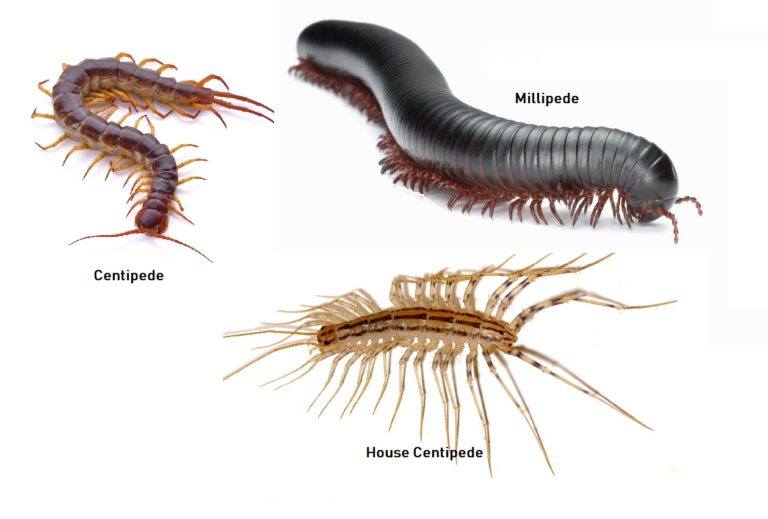
Millipedes come in many types, but some are common in homes and gardens. The American millipede is dark brown and grows long. The flat-backed millipede has a flatter body and many legs. Identifying the species helps choose the right control method.
Where Millipedes Hide
Millipedes prefer damp, dark places to stay hidden. They gather under leaves, mulch, and stones. Basements, crawl spaces, and cracks near doors are common indoor hiding spots. Removing moisture and debris reduces their shelter options.
Signs Of Infestation
Look for millipedes on walls, floors, or near windows. Small, brown or black worms on the ground also signal infestation. A musty smell sometimes comes from large groups. Early detection stops them from spreading inside your home.
Prevent Millipedes Indoors
Millipedes can become a big problem inside your home. They like dark, damp places and can hide in cracks and corners. Stopping them from coming inside is the best way to keep your home pest-free.
Simple steps can help you protect your space. Focus on blocking their entry, cutting moisture, and removing what they eat.
Seal Entry Points
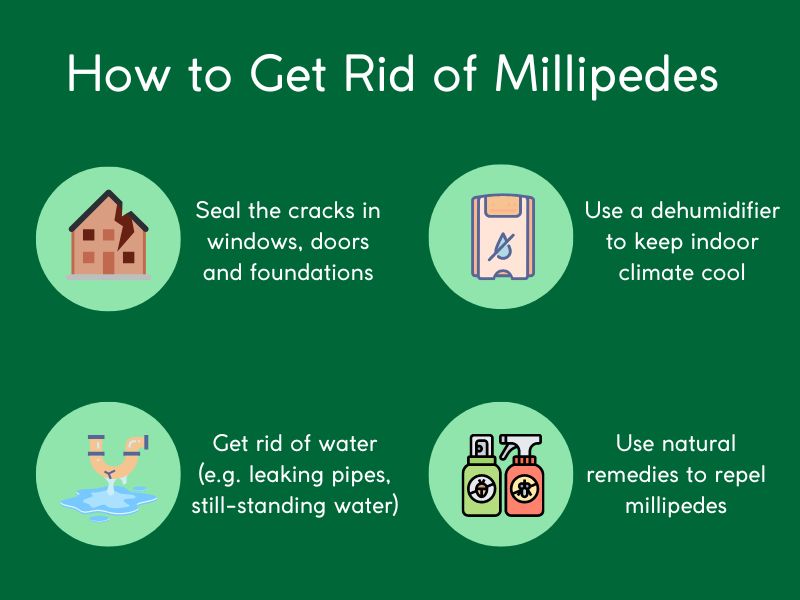
Check your doors and windows for gaps. Use weatherstripping or caulk to close small holes. Fix cracks in walls and foundations quickly. This stops millipedes from sneaking inside your home. Pay attention to vents and pipes where they can enter too.
Reduce Moisture Levels
Millipedes love wet places. Fix leaks in pipes and faucets right away. Use a dehumidifier in damp rooms like basements. Make sure your home has good airflow. Keep gutters clean to stop water buildup near your house.
Remove Food Sources
Millipedes eat decaying plants and organic matter. Clear leaves and mulch away from your home’s base. Keep your yard tidy and dry. Store firewood and compost far from your house. This makes your home less inviting to millipedes.
Natural Millipede Control
Natural millipede control uses safe methods to reduce millipede problems. These methods avoid harsh chemicals. They protect your home and garden while managing the pest. Using natural solutions keeps the environment healthy. It also helps beneficial insects and animals stay safe.
Diatomaceous Earth Application
Diatomaceous earth is a powder made from fossilized algae. It works by drying out millipedes’ bodies. Spread a thin layer where millipedes enter your home. Focus on damp areas like basements and gardens. Repeat application after rain for best results. It is safe for pets and humans but harmful to insects.
Essential Oils That Repel
Essential oils like peppermint, tea tree, and eucalyptus keep millipedes away. Mix a few drops with water in a spray bottle. Spray around doors, windows, and cracks. The strong smell confuses and repels millipedes. Reapply every few days or after rain. This method is natural and smells fresh.
Beneficial Predators
Some animals eat millipedes naturally. Birds, toads, and ground beetles help control their numbers. Encourage these predators by creating a friendly garden space. Avoid using insecticides that harm helpful animals. Plant shrubs and leave small piles of leaves for shelter. Nature’s balance can reduce millipede problems over time.
Credit: diypestcontrol.com
Chemical Treatments
Chemical treatments offer a fast way to kill millipedes inside and outside your home. These treatments work by using pesticides designed to target millipedes specifically. Using chemicals can reduce large groups quickly. It is important to use them carefully to avoid harm to people, pets, and plants.
Choosing The Right Pesticide
Select a pesticide labeled for millipede control. Look for products with active ingredients like bifenthrin, cyfluthrin, or permethrin. These are effective against millipedes. Avoid using broad-spectrum pesticides that may harm beneficial insects. Read the label to ensure safe and proper use. Choose a product suitable for indoor or outdoor use based on your needs.
Safe Application Tips
Wear gloves and protective clothing when applying pesticides. Keep children and pets away during and after treatment. Spray around doors, windows, and baseboards where millipedes enter. Avoid spraying plants directly to prevent damage. Follow the instructions on the label for the correct amount and frequency of use. Clean tools and wash hands after application.
When To Call Professionals
Large infestations may need professional help. Professionals have stronger pesticides and tools. They can treat hidden areas you might miss. Call experts if pesticides do not reduce millipedes. Professionals also know how to protect your home safely. They can suggest prevention tips to avoid future problems.
Outdoor Millipede Management
Managing millipedes outdoors helps keep your yard safe and clean. These small creatures prefer damp and dark places. Controlling their population outside reduces the chance they move indoors. Simple steps can make your garden less attractive to millipedes. Focus on cleaning, moisture control, and physical barriers to keep them away.
Yard Cleanup Strategies
Remove leaves, grass clippings, and wood piles. These provide shelter and food for millipedes. Clear away any decaying plants or mulch. Keep your lawn trimmed and tidy. Clean up debris regularly to reduce hiding spots. This makes your yard less inviting for millipedes.
Moisture Control In Gardens
Millipedes thrive in wet areas. Avoid overwatering your plants. Water early in the day to let soil dry. Fix any leaks or standing water. Improve drainage in your garden beds. Dry soil discourages millipedes from settling nearby. Proper moisture control helps keep their numbers low.
Barrier Methods
Create physical barriers around your home. Use fine mesh screens on vents and windows. Seal cracks and gaps in walls and doors. Place gravel or sand around foundations to block millipedes. These barriers stop millipedes from entering your house. Simple measures can greatly reduce millipede invasions.
Credit: killem.com.sg
Long-term Millipede Prevention
Stopping millipedes from coming back starts with good prevention steps. You can keep your home and garden safe by changing the environment. Millipedes like damp, dark places with lots of food. Making these places less friendly helps a lot. Use simple habits and smart garden care to keep millipedes away for good.
Regular Inspection Routines
Check your home and yard often for millipedes. Look under rocks, leaves, and wood piles. Early spotting stops big problems later. Check doors and windows for gaps where they enter. Fix cracks in walls and floors quickly. Regular checks help catch new millipedes fast.
Landscaping Tips
Keep plants and mulch away from your house walls. Trim grass and bushes to reduce hiding spots. Remove leaf piles and debris near your home. Use gravel or stone around the foundation. These materials stop millipedes from reaching your walls. Proper landscaping cuts down millipede shelter.
Maintaining Dry Conditions
Millipedes need moisture to live. Fix leaks in pipes and gutters. Make sure water drains away from your home. Use fans or dehumidifiers in damp rooms. Keep soil dry by watering plants early in the day. Dry places make it hard for millipedes to survive.
Conclusion
Controlling millipedes takes patience and careful steps. Start by removing places where they hide and eat. Use safe methods to keep them away from your home. Check your house often to catch them early. Small actions can make a big difference.
Stay consistent and don’t give up. Your home can stay millipede-free with simple care. Keep your space dry and clean. Prevention works better than dealing with many pests later. Remember, you control the problem, not the millipedes.