
Are you tired of spotting those fast-moving, creepy house centipedes scurrying around your home? You’re not alone.
These pests can make you feel uneasy and disrupt your peace of mind. But don’t worry—you don’t have to live with them. You’ll discover simple and effective ways to kill house centipedes for good. Keep reading, and take control of your space starting today.
:max_bytes(150000):strip_icc()/House-centipede-prevention-removal-5191355-V2-ab587f0d9fc94a638929015d82e802d7.png)
Credit: www.thespruce.com
Identify House Centipedes
Knowing how to identify house centipedes is the first step in controlling them. These insects look different from other bugs. Spotting them early helps you act fast and keep your home safe.
House centipedes have unique features and habits. Learning about these can make it easier to find and remove them.
Physical Characteristics
House centipedes have long, thin bodies. They usually grow up to 1.5 inches. Their bodies have many segments, each with a pair of legs. In total, they have about 15 pairs of legs. Their legs are very long and move quickly. The body color is yellowish-gray with three dark stripes running down the back. They have two long antennae on their heads. These features make them easy to recognize.
Common Hiding Spots
House centipedes like dark, damp places. They often hide in basements, bathrooms, and closets. You may find them under sinks or behind furniture. They also stay near windows and door frames. Outside, they hide in leaf piles and mulch. Checking these spots regularly helps find them early. They avoid bright lights and stay hidden during the day.
Behavior Patterns
House centipedes are fast and active hunters. They come out mostly at night. They eat other small insects like spiders and ants. This makes them helpful but also scary to see. They rarely bite people but can if they feel threatened. Their quick movements can startle you. Knowing their behavior helps you catch or kill them easily.
Prevent Entry And Infestations
Stopping house centipedes before they enter your home is key to avoiding infestations. These insects seek shelter in damp, dark places and can slip through small openings. Taking simple steps can make your home less inviting and keep centipedes out.
Seal Cracks And Gaps
Centipedes enter through tiny cracks and gaps around doors, windows, and foundations. Use caulk or weatherstripping to close these openings. Check areas where pipes or wires enter walls. Sealing these spaces reduces entry points for centipedes.
Reduce Moisture Levels
Centipedes love moist environments. Fix leaky pipes and faucets quickly. Use a dehumidifier in damp rooms like basements. Proper ventilation in bathrooms and kitchens helps keep areas dry. Dry spaces are less attractive to centipedes.
Remove Food Sources
Centipedes feed on small insects and pests. Reducing other bugs in your home limits their food supply. Keep your home clean and free of crumbs. Store food in sealed containers. Removing food sources helps control centipede populations.
Quick Kill Methods
House centipedes move fast and can be hard to catch. Quick kill methods help stop them before they hide again. These methods work fast and reduce the chance of more centipedes coming inside. Choose the right method for your home and safety.
Use Insecticides Safely
Insecticides kill centipedes quickly. Spray in corners, baseboards, and dark areas. Always read the label before use. Keep spray away from pets and children. Use gloves and avoid breathing in fumes. Spray only where centipedes appear. Avoid overusing to protect your family.
Diy Traps And Baits
Traps catch centipedes without chemicals. Use sticky traps near walls and windows. Baits lure centipedes with food inside. Place traps where you see movement. Check traps daily and replace when full. Traps help reduce centipede numbers fast. They are safe and easy to use.
Natural Remedies
Natural remedies kill or repel centipedes gently. Use diatomaceous earth around entry points. It dries out their bodies and kills them. Essential oils like peppermint or tea tree work well. Spray diluted oils near centipede spots. Keep areas dry and clean to avoid attracting them. Natural methods are safe for kids and pets.

Credit: www.nativepestmanagement.com
Long-term Control Strategies
Long-term control of house centipedes requires consistent effort. Temporary fixes may reduce their numbers briefly. Lasting results come from changes in your home and habits. These strategies help keep centipedes away for good.
Regular Cleaning Habits
Clean your home often to remove food crumbs and dust. Vacuum corners, baseboards, and under furniture regularly. This removes insects that centipedes eat. Less food means fewer centipedes inside. Dispose of garbage daily and keep bins sealed tight.
Maintain Dry Environments
Centipedes love moisture and damp places. Fix leaks in pipes, faucets, and walls quickly. Use dehumidifiers in basements or damp rooms. Keep bathrooms and kitchens dry by wiping surfaces after use. Proper ventilation reduces dampness and discourages centipedes.
Professional Pest Control
Sometimes, centipedes are too many to handle alone. Pest control experts use safe treatments for effective results. They find hiding places and treat problem areas properly. Regular visits can prevent future infestations and keep your home safe.
Safety Tips During Extermination
Exterminating house centipedes needs care and attention. Safety is important to protect yourself and your family. Follow simple safety tips to handle the process well. These tips help avoid harm and make the job easier.
Protective Gear
Wear gloves to keep your hands safe. Use long sleeves and pants to cover your skin. Safety glasses protect your eyes from sprays and dust. A mask helps avoid breathing in chemicals or dust. Dress properly before starting the extermination.
Safe Chemical Use
Read all instructions on pesticide labels carefully. Use only the amount recommended on the package. Keep chemicals away from children and pets. Avoid spraying near food, dishes, or utensils. Open windows for fresh air during and after spraying.
Handling Dead Centipedes
Use a tissue or paper towel to pick up dead centipedes. Avoid touching them directly with bare hands. Dispose of them in a sealed bag or container. Wash your hands thoroughly after handling dead pests. Clean the area where you found them well.
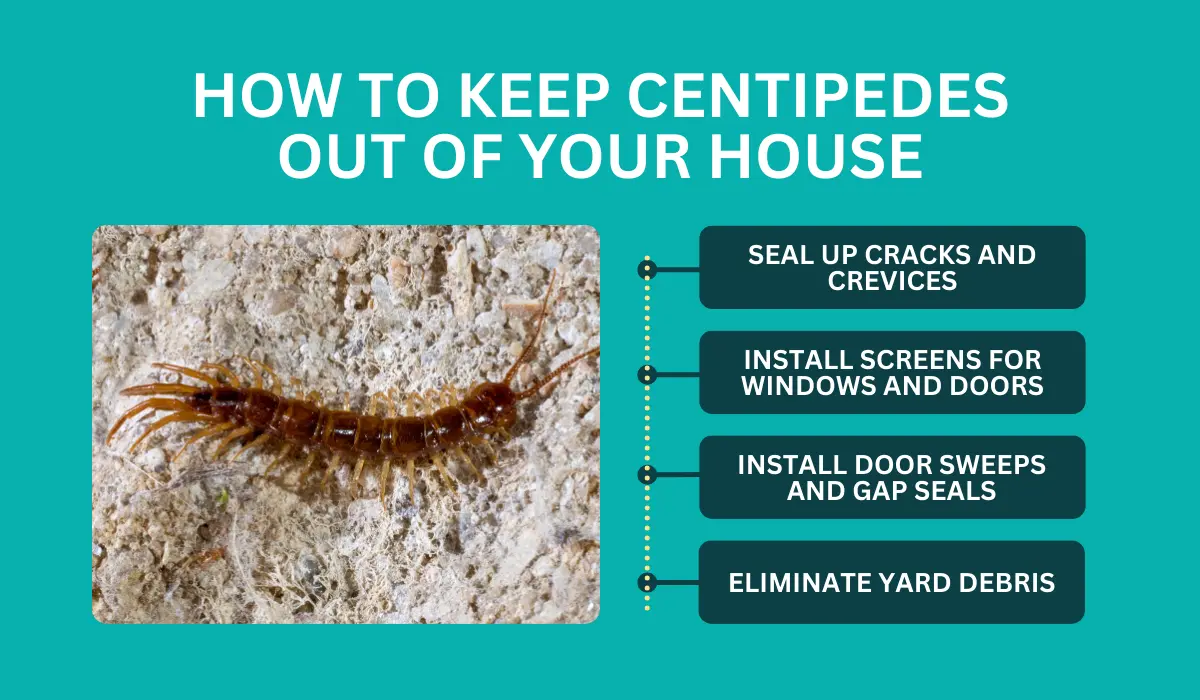
Credit: www.nativepestmanagement.com
Conclusion
House centipedes can be a real nuisance in any home. Keep your living space clean and dry to stop them. Seal cracks and gaps where they enter. Use sticky traps or natural sprays for quick control. Remember, consistent effort works best to keep them away.
Stay patient and follow these simple steps. Your home will feel safer and more comfortable soon. No need to fear house centipedes anymore. You have the tools to handle them today.