
Ants are small insects that often live outside. But sometimes, they come inside houses. Many people wonder why ants appear in the home. This article will explain what causes ants in the house. We will also talk about why ants like to come inside. Understanding this can help you keep ants away.
Why Do Ants Come Inside?
Ants come inside for several reasons. Most often, they want food. Ants search for food to bring back to their nest. If they find food inside your house, they will keep coming. Ants also look for water. Dry places outside can make ants thirsty. Your kitchen or bathroom may have water ants need.
Another reason ants enter is for shelter. Ants want a safe place to live. Your house can be warm and dry, perfect for ants. If the weather outside is cold or rainy, ants may move indoors. They want to protect themselves and their colony.
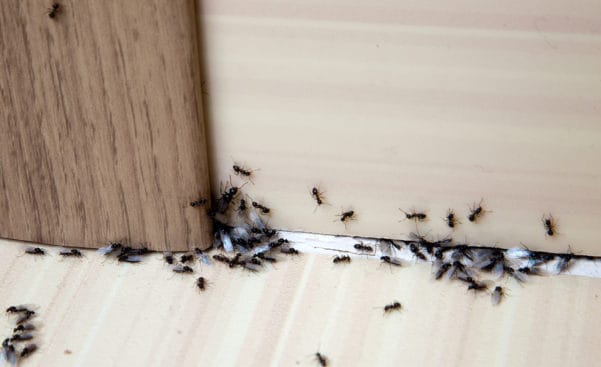
Credit: www.callnorthwest.com
Common Causes of Ants in the House
Let’s look at the main causes that bring ants inside:
- Food Left Out: Crumbs, spills, or open food attract ants.
- Garbage: Trash cans with food waste draw ants quickly.
- Water Sources: Leaks or damp areas are attractive to ants.
- Gaps and Cracks: Openings in walls or windows let ants enter.
- Plants Near the House: Ants live in soil and plants close to your home.
- Warm Weather: Hot or wet weather can drive ants indoors.
Food Left Out
Ants smell food from far away. They can find tiny crumbs on the floor or table. Even small drops of juice or sugar water attract ants. If food is not stored in tight containers, ants will find it. They leave a scent trail for other ants to follow. This is why one ant can lead many inside your home.
Garbage
Garbage is a big attractant for ants. Food scraps in the trash smell strong to ants. If your trash bin is open or not cleaned often, ants will come. They gather food from garbage and bring it back to their nest. This can make an ant problem worse.
Water Sources
Ants need water to survive. Leaking pipes or faucets create wet spots. These spots are perfect for ants. Even small amounts of moisture can attract ants. Bathrooms, kitchens, and basements often have water sources ants like. Fixing leaks and drying wet areas help stop ants.
Gaps And Cracks
Ants can enter through small openings. Gaps around doors, windows, and walls are easy paths. Cracks in the foundation or walls are also entry points. Sometimes ants build nests inside these cracks. Sealing these openings is very important to keep ants out.
Plants Near The House
Ants live in soil and plants outdoors. Trees and bushes near the house can help ants get inside. Ants use branches to travel onto your roof or walls. If plants touch your home, ants can easily cross over. Keeping plants trimmed and away from the house helps reduce ants.
Warm Weather
Ants are more active when it is warm. Spring and summer bring more ants inside. They look for food and water more often. Rainy weather can push ants indoors to find shelter. Knowing the seasons when ants come helps you prepare better.
How Ants Find Their Way Inside
Ants have a special way to find food and come inside. They use a scent trail. When an ant finds food, it leaves a smell on the ground. This scent guides other ants to the food. Soon, many ants follow the trail into the house.
Because of this, if you see one ant, many more may come. It is important to clean food spills quickly. Wiping surfaces removes the scent trail. This helps stop more ants from entering.
Types of Ants Found in Houses
There are many kinds of ants. Some types like to live inside homes. Here are a few common ones:
| Ant Type | Description | Common Behavior |
|---|---|---|
| Carpenter Ants | Large, black or red ants. | Build nests in wood, can damage structures. |
| Odorous House Ants | Small, dark brown ants. | Give off a smell when crushed, like rotten coconut. |
| Pavement Ants | Small, brown or black ants. | Live under pavement and inside walls. |
| Pharaoh Ants | Tiny yellow or light brown ants. | Prefer warm buildings, nest in hidden places. |
:max_bytes(150000):strip_icc()/SPR-indoor-flying-ants-not-good-sign-2656361-1688514da4784719a394e4de90dffb57.png)
Credit: www.thespruce.com
Why Do Ants Stay Once They Enter?
Once ants find food and water inside, they stay. They bring their colony or nest with them. Ants like places with steady food and water. If your house provides these, ants will return again and again. This can make the problem worse over time.
How to Prevent Ants from Coming Inside
Stopping ants before they enter is the best way. Here are some simple tips:
- Keep food in sealed containers. This blocks ants from smelling food.
- Clean up crumbs and spills right away. Ants won’t find a reason to come in.
- Take out garbage often and keep bins clean. Avoid food smells that attract ants.
- Fix leaks and dry wet spots. Remove water sources ants need.
- Seal cracks and gaps around doors and windows. Stop ants from entering.
- Keep plants trimmed and away from your house. Reduce ant pathways indoors.
- Use natural barriers like vinegar or lemon juice. These can confuse ants’ scent trails.
What To Do If You Have Ants Inside
If ants are already inside, act quickly. Find where they are coming from. Follow their trail to the entry point. Clean the trail with soap and water. This removes their scent and confuses ants.
You can use bait traps to kill ants. Baits attract ants and carry poison back to the nest. This helps stop the whole colony. Be patient, as baits take time to work.
If the problem is large, call a pest control expert. They know how to remove ants safely and fully.
Summary
Ants come inside houses for food, water, and shelter. They find easy food and water sources inside. Crumbs, garbage, and leaks attract them. Gaps and cracks let them enter. Plants near the house can help ants get inside. Warm and rainy weather also causes ants to move indoors.
Ants use scent trails to guide more ants to food. Some types of ants live in homes and cause problems. To stop ants, keep food sealed and clean spills quickly. Fix leaks and seal entry points. Trim plants that touch your house. If ants come inside, clean their trails and use bait traps.
By understanding what causes ants inside, you can protect your home. Simple changes help keep ants out. A clean, dry, and sealed house is less likely to have ants.