Are you tired of seeing cockroaches scurry around your home? You might think getting rid of the bugs is enough, but what about their eggs?
Those tiny egg cases can hide in cracks and crevices, ready to hatch and bring more pests into your space. If you want to stop the problem at its source, you need to tackle cockroach eggs directly. You’ll discover simple, effective steps to find and eliminate those eggs before they become a bigger issue.
Keep reading, because the longer you wait, the harder it gets to take control of your home.

Credit: pfharris.com
Identifying Cockroach Eggs
Identifying cockroach eggs is key to stopping infestations early. These eggs hold the future cockroach population. Removing them can reduce the number of pests in your home. Knowing what to look for makes this task easier and more effective.
Common Egg Appearance
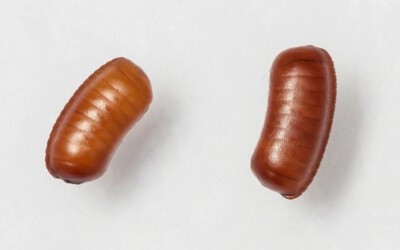
Cockroach eggs come in small cases called oothecae. They look like tiny, brownish capsules. Each capsule holds many eggs inside. Usually, they are about half an inch long. The surface is smooth or slightly ridged. Some species have dark brown eggs, others light tan. They often look like small grains of rice or seeds.
Where Eggs Are Usually Found
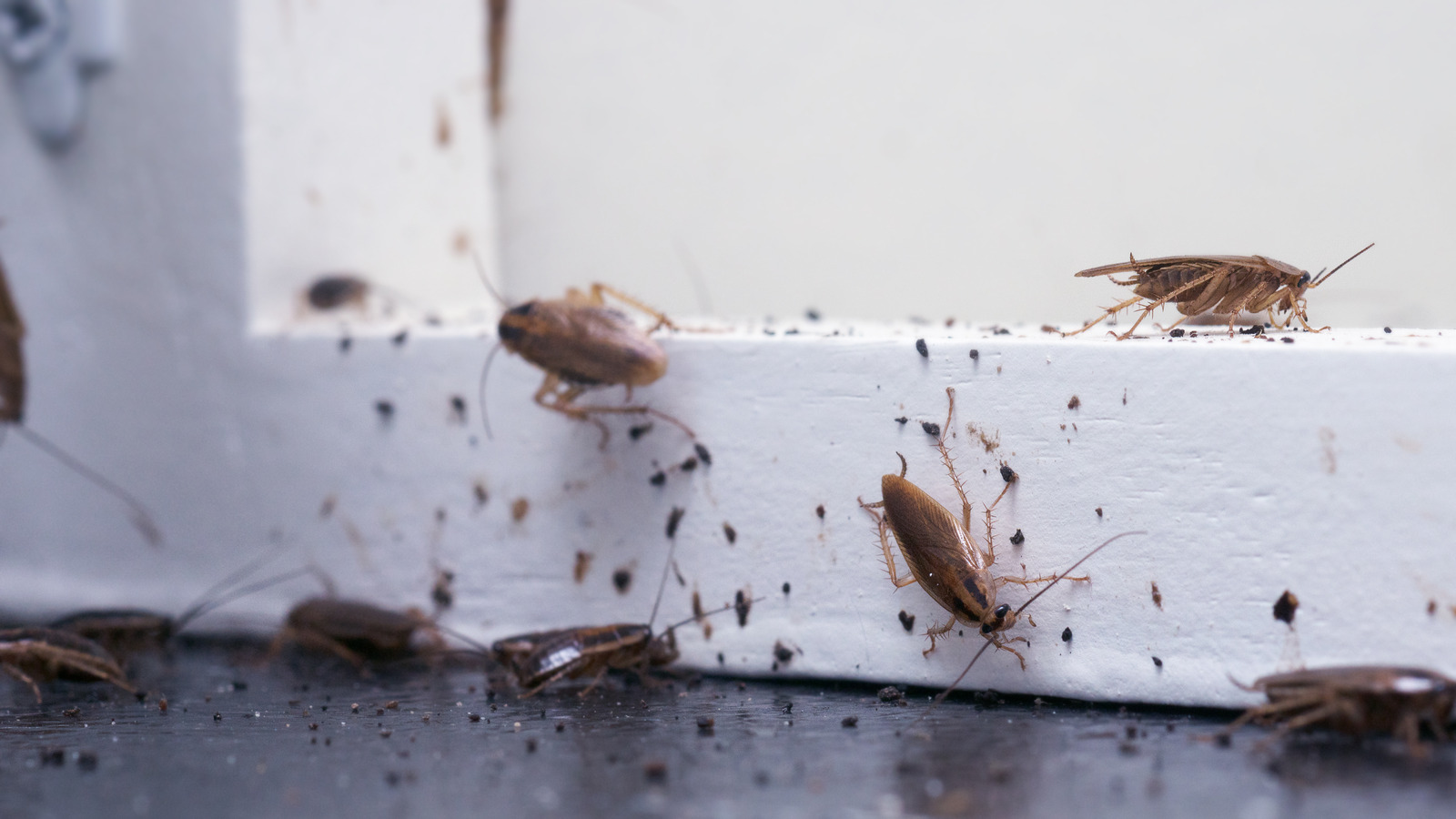
Cockroach eggs hide in dark, warm places. Look near kitchens and bathrooms. Behind appliances and inside cabinets are common spots. Cracks in walls and furniture also serve as egg hiding places. Eggs may stick under sinks or around pipes. These areas provide safety and easy food access for hatching nymphs.
Why Removing Eggs Is Crucial
Removing cockroach eggs is very important to control infestations. These eggs hatch fast, creating many new cockroaches. One egg sac can hold dozens of baby roaches. Ignoring the eggs means more roaches will soon appear. This makes the problem harder to manage. Taking action early stops the roach population from growing. It helps keep your home cleaner and safer.
Preventing Future Infestations
Getting rid of cockroach eggs breaks their life cycle. Without eggs, no new roaches will hatch. It stops the infestation from spreading. Cleaning areas where eggs hide reduces roach chances. Focus on dark, warm spots like cracks and corners. Use tools like vacuum cleaners or sticky traps. Removing eggs lowers the chance of repeated problems. This keeps your home fresh and pest-free.
Health Risks Linked To Cockroach Eggs
Cockroach eggs carry germs and bacteria. These can cause allergies and asthma attacks. Roach droppings and shed skins also spread diseases. Eggs hatch into roaches that contaminate food and surfaces. This creates health risks for children and adults. Removing eggs reduces these dangers effectively. It protects your family’s health and well-being.
Natural Methods To Destroy Eggs
Destroying cockroach eggs naturally helps keep your home safe and chemical-free. These methods target eggs directly, stopping new cockroaches from hatching. Natural solutions work well alongside cleaning and prevention steps. You can use heat, cold, or essential oils to fight eggs without harsh chemicals.
Using Heat And Cold
Extreme temperatures kill cockroach eggs effectively. Heat above 120°F (49°C) can destroy eggs in minutes. Use a steam cleaner on cracks and corners where eggs hide. Be careful with delicate surfaces.
Cold also works well. Place infested items in the freezer for several days. Temperatures below 0°F (-18°C) stop eggs from developing. This method is safe for small objects and fabrics.
Essential Oils That Work
Certain essential oils repel and kill cockroach eggs. Tea tree oil, eucalyptus, and peppermint oil are strong options. Mix 10-15 drops with water in a spray bottle. Spray areas where eggs are found.
Oils disrupt egg development and keep cockroaches away. Regular spraying helps prevent new eggs from hatching. Natural oils smell good and are safe for home use.
Credit: www.housedigest.com
Chemical Treatments For Eggs
Cockroach eggs can hide in small cracks and dark places. Chemical treatments help stop eggs from hatching. These treatments kill eggs and young cockroaches before they grow. Using the right chemicals keeps your home safe and clean.
Safe Insecticides To Use
Choose insecticides made for cockroach eggs. These products contain special ingredients that kill eggs and babies. Look for products labeled safe for indoor use. Follow the instructions on the label carefully. Avoid using strong chemicals near food or children.
Sprays with insect growth regulators (IGRs) are gentle yet effective. They stop eggs from hatching and prevent young cockroaches from growing. These insecticides reduce cockroach populations over time. Use them in places cockroaches hide, like cabinets or cracks.
Applying Baits And Growth Regulators
Baits attract cockroaches and kill them slowly. They contain poison that cockroaches carry back to their nests. This method helps destroy eggs and young cockroaches inside nests. Place baits near walls, under sinks, and behind appliances.
Growth regulators stop cockroaches from developing fully. These chemicals do not kill instantly but stop reproduction. Use growth regulators with baits for better control. Apply them regularly to keep cockroach numbers low.
Cleaning And Sanitation Tips
Cleaning and sanitation play a key role in getting rid of cockroach eggs. A clean home makes it hard for cockroaches to survive and lay eggs. Dirt, food crumbs, and moisture attract these pests and help their eggs hatch.
Regular cleaning removes the places where cockroaches hide and lay eggs. It also cuts off their food supply. This section explains practical cleaning tips to stop cockroach eggs from growing.
Eliminating Egg-laying Spots
Focus on areas where cockroaches like to lay eggs. These include cracks, corners, and dark spaces. Use a vacuum to clean these spots thoroughly. Dispose of the vacuum bag immediately after use.
Seal gaps and holes in walls and cabinets. Remove clutter that offers hiding places. Clean under appliances and furniture regularly. Use a damp cloth with soap to wipe surfaces.
Keep sinks and drains dry as cockroaches seek moisture. Fix leaks and avoid standing water. Store food in airtight containers to avoid attracting pests.
Maintaining A Cockroach-free Environment
Make cleaning a daily habit. Sweep and mop floors every day. Clean kitchen counters after each meal. Take out the trash regularly and keep bins closed.
Use natural cleaners like vinegar to kill germs and remove odors. Avoid leaving pet food out overnight. Inspect packages and bags before bringing them indoors.
Good ventilation reduces humidity, making the environment less inviting. Open windows or use fans to keep air flowing. A dry, clean home stops cockroach eggs from hatching.
Preventing Future Egg Laying
Stopping cockroaches from laying eggs is key to controlling their population. Preventing future egg laying keeps your home cleaner and safer. It also helps avoid costly pest problems later.
Focus on blocking their access and keeping watch over your space. This reduces places where cockroaches can hide and lay eggs.
Sealing Entry Points
Close all cracks and gaps around doors and windows. Use caulk or weather stripping for a tight seal. Check vents, pipes, and drains for openings. Cover holes with mesh or metal screens. This stops cockroaches from entering your home. Without entry points, they cannot lay eggs inside.
Regular Inspection And Monitoring
Check your home often for signs of cockroaches or eggs. Look under sinks, behind appliances, and in dark corners. Use sticky traps to catch and monitor cockroach activity. Early detection helps you act quickly. Remove any egg cases you find immediately. Regular checks keep the problem under control.
When To Call Pest Control
Knowing when to call pest control is important for dealing with cockroach eggs. Small problems can grow fast. Early action can save time and effort. Sometimes, the infestation is too big to handle alone. Pest control experts have the tools and knowledge to stop the problem safely and quickly.
Signs Of Severe Infestation
Look for many cockroaches in your home. Seeing them during the day is a bad sign. Cockroach eggs or egg cases found around corners or dark places show a big problem. A strong musty smell also means a large infestation. If your home feels crowded with these pests, it is time to call for help.
Professional Treatment Options
Pest control experts use special sprays and baits to kill cockroaches and their eggs. They find hidden places where eggs hide and treat them safely. Professionals can also give advice to stop cockroaches from coming back. Their treatments last longer than store products. This helps keep your home clean and safe.
Credit: www.fantasticpestcontrol.co.uk
Frequently Asked Questions
How Can I Identify Cockroach Eggs At Home?
Cockroach eggs appear as small, oval-shaped capsules called oothecae. They are usually brown or tan and about 8 mm long. Look in dark, hidden areas like behind appliances, under sinks, and inside cabinets to spot them early.
What Is The Best Way To Destroy Cockroach Eggs?
Use insect growth regulators or insecticidal sprays targeting cockroach eggs. Applying these treatments in cracks, crevices, and egg-hiding spots effectively prevents hatching and controls infestations. Repeat treatment every few weeks for best results.
Can Cockroach Eggs Hatch Without A Female Cockroach?
No, cockroach eggs require fertilization from a male to hatch. Female cockroaches carry fertilized eggs in an ootheca until hatching. Unfertilized eggs do not develop into baby cockroaches.
How Long Do Cockroach Eggs Take To Hatch?
Cockroach eggs typically hatch within 1 to 2 months, depending on species and temperature. Warmer environments accelerate hatching, while cooler areas slow down development. Early removal is crucial to prevent infestation growth.
Conclusion
Getting rid of cockroach eggs takes patience and care. Clean your home often to stop eggs from hatching. Use safe sprays or natural remedies to destroy eggs. Seal cracks and holes to block cockroaches from entering. Keep food sealed and trash covered to avoid attracting pests.
Regular checks help find eggs before they become a problem. Stay consistent with these steps for best results. A clean, dry home keeps cockroaches and their eggs away. Small actions make a big difference in pest control.