Are cockroaches invading your kitchen and making you feel uncomfortable? You’re not alone, and the good news is, you can take control right now.
These unwanted guests are more than just a nuisance—they can affect your health and your peace of mind. But don’t worry, removing cockroaches doesn’t have to be complicated or overwhelming. You’ll discover simple, effective steps to get rid of them for good.
Keep reading, and you’ll learn how to protect your kitchen and keep it clean and safe for you and your family.
Identify Cockroach Hiding Spots
Finding where cockroaches hide in your kitchen is the first step to stop them. Cockroaches like dark, warm, and moist places. They avoid light and open spaces. Knowing their favorite spots helps you clean well and use treatments effectively.
Common Kitchen Areas
Cockroaches often hide under sinks and behind appliances. Check behind the refrigerator and stove carefully. Cabinets and drawers with food crumbs attract them. Cracks in walls and floor corners are favorite hiding spots. They also stay near pipes and drains where moisture is high.
Signs Of Infestation
Look for small dark droppings near hiding spots. You might see egg cases or shed skins. A strong, oily smell can signal many cockroaches. Spotting cockroaches during the day means a big problem. Listen for soft rustling sounds in quiet areas. These signs show where they live and how many there are.

Credit: www.youtube.com
Clean And Declutter Kitchen
Keeping your kitchen clean and free of clutter is key to stopping cockroaches. These pests look for food, water, and hiding spots. A tidy kitchen cuts off their needs and makes your space less inviting. Follow these simple steps to clean and organize your kitchen effectively.
Remove Food Sources
Clear all crumbs and spills right away. Store food in sealed containers. Avoid leaving pet food out overnight. Clean under appliances regularly. Empty trash bins daily to stop cockroaches from finding snacks.
Eliminate Water Access
Fix leaking pipes and taps immediately. Wipe up any standing water on counters and floors. Avoid leaving dishes in the sink for long. Cockroaches need water to survive. Cutting off water reduces their chances to stay.
Organize Storage Spaces
Keep cabinets and shelves neat and dry. Use clear containers to see what’s inside. Avoid stacking items too closely to reduce hiding spots. Regularly check and clean pantry areas. A well-organized kitchen leaves no place for cockroaches to hide.
Use Natural Remedies
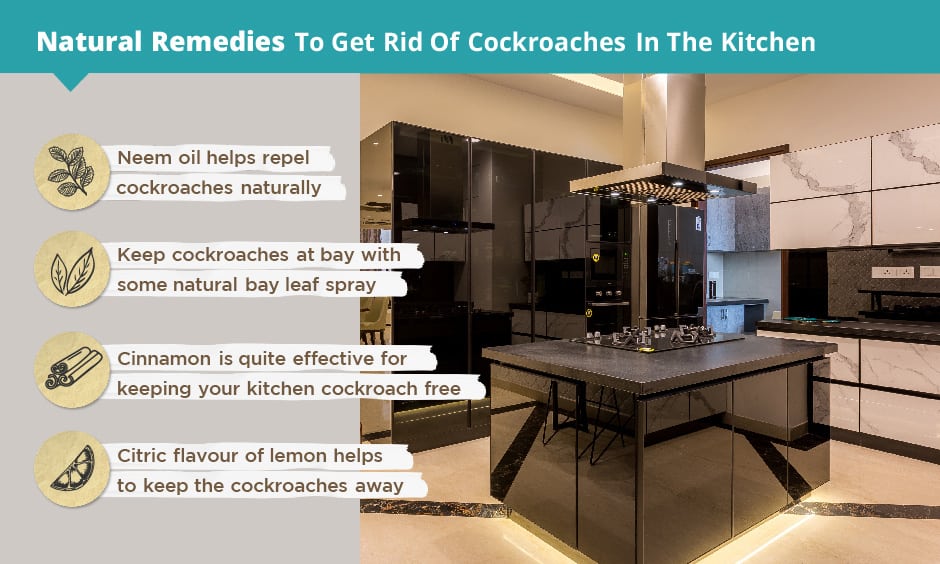
Natural remedies offer safe ways to remove cockroaches from your kitchen. These methods use simple ingredients found at home or stores. They avoid harsh chemicals, making your kitchen safer for your family and pets. Using natural options can help control cockroach problems effectively.
Boric Acid
Boric acid is a trusted natural remedy. It works by damaging cockroach shells and drying them out. Sprinkle boric acid in corners, under sinks, and behind appliances. Keep it away from children and pets. Repeat application after cleaning for best results.
Diatomaceous Earth
Diatomaceous earth is a powder made from fossilized algae. It cuts through the cockroach’s outer layer, causing dehydration. Spread it in dry areas where roaches hide. It is non-toxic to humans and pets. Use food-grade diatomaceous earth for safety.
Essential Oils
Essential oils like peppermint, eucalyptus, and tea tree repel cockroaches. Mix a few drops with water in a spray bottle. Spray around kitchen corners, cabinets, and entry points. These oils also leave a fresh scent. Reapply every few days for continued protection.
Apply Chemical Treatments
Applying chemical treatments is a direct and effective way to remove cockroaches from your kitchen. These treatments target roaches quickly and reduce their numbers fast. Using the right chemicals helps keep your kitchen safe and clean. Choose products designed specifically for indoor use to avoid harm to your family and pets.
Cockroach Baits
Cockroach baits attract roaches with a tasty poison. Roaches eat the bait and return to their nests. The poison spreads to other roaches, killing many at once. Place baits in dark corners and near walls where roaches hide. Baits are easy to use and work over time.
Insecticide Sprays
Insecticide sprays kill roaches on contact. Spray in cracks, crevices, and behind appliances. Use sprays in well-ventilated areas. Avoid spraying food surfaces. Sprays provide quick results but may not reach hidden nests. Combine sprays with other methods for best results.
Gel Baits
Gel baits are thick and sticky poisons placed in small drops. Roaches eat the gel and share it with others. Gel baits last longer than sprays and attract roaches to feed. Apply gel in areas where roaches travel. Gel baits are discreet and effective for long-term control.
Seal Entry Points
Sealing entry points is a key step to stop cockroaches from entering your kitchen. These pests sneak in through tiny gaps and holes. Blocking these openings cuts off their access. It also helps keep your kitchen clean and safe.
Cracks And Crevices
Look for cracks in walls and floors. Cockroaches hide in narrow spaces. Use caulk or sealant to close these gaps. Check behind appliances and cabinets. Even small cracks can be a way inside.
Pipe Openings
Pipes create openings for cockroaches to enter. Seal gaps around water and gas pipes. Use foam or putty for a tight seal. Inspect under the sink and near the stove. Proper sealing stops pests at the source.
Windows And Doors
Check the edges of windows and doors. Cockroaches slip in through loose frames or torn screens. Install weatherstripping to close gaps. Repair or replace damaged screens. Keep doors closed tightly to block entry.
Credit: www.designcafe.com
Maintain Long-term Prevention
Keeping cockroaches out of your kitchen needs ongoing care. Long-term prevention stops them from coming back. It needs good habits and attention every day. Small steps make a big difference over time. Here are key actions to keep your kitchen cockroach-free.
Regular Cleaning Schedule
Clean your kitchen every day. Wipe counters and tables after meals. Sweep and mop floors to remove crumbs. Pay attention to hidden spots like under appliances. Clean sinks and drains often. Cockroaches hide where food and water stay. A clean kitchen leaves no place for pests.
Proper Waste Disposal
Throw garbage out daily. Use bins with tight lids to stop smells. Rinse food containers before recycling. Avoid letting trash pile up inside. Take out compost waste regularly. Proper waste disposal removes food sources. This keeps cockroaches from being attracted to your kitchen.
Routine Inspections
Check your kitchen often for signs of cockroaches. Look behind appliances and inside cabinets. Watch for droppings, egg cases, or shed skins. Inspect cracks and crevices where they hide. Early detection helps stop infestations fast. Fix leaks and seal entry points you find. Regular inspections keep your kitchen safe.
Credit: www.youtube.com
Frequently Asked Questions
How Can I Quickly Get Rid Of Cockroaches In My Kitchen?
Clean all surfaces, remove food crumbs, and fix leaks. Use cockroach baits or sprays for fast elimination. Regularly dispose of garbage to prevent attraction.
What Natural Remedies Work Against Cockroaches In Kitchens?
Boric acid, diatomaceous earth, and essential oils like peppermint repel cockroaches. These natural options are safe and effective for kitchen use.
How Do I Prevent Cockroaches From Returning After Removal?
Seal cracks and crevices, keep food sealed, and maintain cleanliness. Regularly empty trash and fix water leaks to avoid cockroach infestations.
Are Cockroach Baits Safe For Kitchen Use Around Pets?
Most cockroach baits are safe if used as directed and placed out of pets’ reach. Always follow label instructions carefully to ensure safety.
Conclusion
Keeping your kitchen cockroach-free takes patience and care. Clean up crumbs and spills quickly. Store food in sealed containers. Fix leaks to remove water sources. Use traps or baits to catch roaches. Regularly check and clean hidden areas. Consistent effort helps stop cockroaches from coming back.
A clean kitchen is a healthy kitchen. Small steps make a big difference. Stay alert and act fast to protect your home.