
Silverfish are small insects that many people find in their homes. They move fast and look shiny like silver. But just how big are silverfish? This article will explain their size and other interesting facts. You will learn about their body length, appearance, and why size matters.

Credit: www.pestworld.org
What Are Silverfish?
Silverfish are tiny insects. They get their name from their color and shape. Their bodies look like fish and they shine with a silver color. Silverfish live in dark, damp places. You can find them in bathrooms, kitchens, or basements.
They like to eat things like paper, glue, and starch. This can cause damage to books and wallpaper. Knowing their size helps you understand how they move and hide.
Size of Silverfish
On average, silverfish are about 1 to 2 centimeters long. This means they are about as long as a small paperclip. Some can be a bit smaller or a bit bigger, but most fit in this range.
Here is a simple table to show the size range:
| Silverfish Size | Length (centimeters) | Length (inches) |
|---|---|---|
| Smallest | 0.5 cm | 0.2 inches |
| Average | 1 to 2 cm | 0.4 to 0.8 inches |
| Largest | 3 cm | 1.2 inches |
Most silverfish you see will be between 1 and 2 centimeters long. This size allows them to hide easily in small cracks and corners.
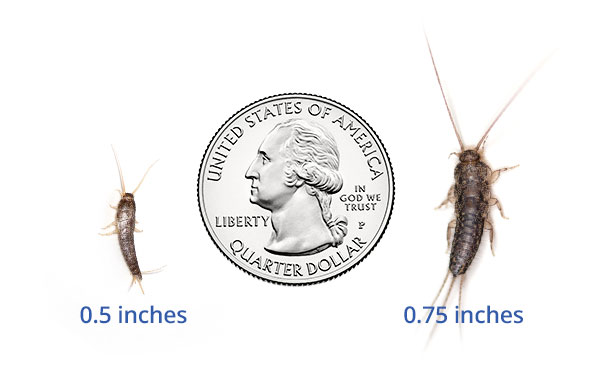
Credit: www.domyown.com
Body Shape and Appearance
Silverfish have long, flat bodies. Their bodies are covered with tiny scales. These scales give them a shiny, silver look. Their shape helps them move quickly.
They have three long tail-like parts at the end of their bodies. These tails help them keep balance when they move. Silverfish also have two long antennae on their heads. These antennae help them feel around in the dark.
Why Size And Shape Matter
Silverfish’s small size lets them live in tight spaces. They can hide in cracks, behind books, or under sinks. This makes them hard to find and catch.
Their flat bodies help them squeeze into thin places. This helps them escape predators and find food easily.
How Silverfish Grow
Silverfish do not grow quickly. They start as tiny eggs. After hatching, they look like small silverfish but smaller. They grow by shedding their skin many times. This process is called molting.
Unlike many insects, silverfish keep growing even after becoming adults. They can live for several years. This means they can get a little bigger over time, but they stay small overall.
Comparing Silverfish to Other Insects
To understand silverfish size, let’s compare them to other common insects:
- Ants: Ants are usually 0.3 to 1.5 cm long. Silverfish are about the same size or a bit bigger.
- Houseflies: Houseflies are about 0.5 to 0.8 cm long. Silverfish are often longer than houseflies.
- Ladybugs: Ladybugs are about 0.8 to 1.2 cm long. Silverfish are similar or a bit longer.
So, silverfish are small but not the smallest insect around. Their size is just right for their lifestyle.
Why Does Silverfish Size Matter?
Knowing silverfish size helps in many ways:
- Finding Them: Because they are small, you need to look closely to spot silverfish.
- Preventing Damage: Their size allows them to get into books and papers easily.
- Choosing Control Methods: Knowing their size helps decide how to stop them.
For example, traps for silverfish are made small to catch these little insects. Also, sealing small cracks can stop them from entering your home.
Where Silverfish Live
Silverfish like dark, moist places. Their size helps them find shelter in small spaces. Common places include:
- Bathrooms
- Kitchens
- Basements
- Closets
- Behind wallpaper or bookshelves
Because they are small, they hide well and come out at night to find food.
Summary
Silverfish are small insects, usually 1 to 2 centimeters long. Their flat, shiny bodies help them move and hide. They live in dark, damp places and eat paper and glue. Their size lets them squeeze into tiny spaces.
Understanding silverfish size helps you find and control them. Look for small, silver, fast-moving bugs in your home. Use traps made for small insects or block cracks where they hide.
Silverfish may be small, but they can cause big problems if not noticed. Now you know how big silverfish are and why size is important.