
Have you ever wondered how cockroaches mate? It might seem like a strange question, but understanding this process can change the way you see these common household invaders.
Knowing their mating habits can help you take control and stop infestations before they start. You’ll discover the surprising steps cockroaches take to reproduce and why their method makes them so hard to get rid of. Keep reading, and you’ll gain the knowledge to protect your home more effectively.
Credit: www.nature.com
Cockroach Mating Habits
Cockroach mating habits reveal much about their survival skills. These insects have unique ways to find partners and reproduce. Understanding their habits helps explain their rapid growth and spread.
Each species has specific behaviors and timings for mating. Their habits ensure they can reproduce efficiently even in tough conditions.
Mating Seasons And Frequency
Cockroaches do not mate all year round. Most species have peak mating seasons based on temperature and humidity. Warmer months often trigger more activity. Some cockroaches mate several times during these seasons. Others mate only once and store sperm for future use.
Frequency depends on food availability and environment. In homes, they may reproduce continuously. This ability makes them hard to control.
Courtship Behaviors
Cockroach courtship is brief but important. Males usually start by releasing chemicals called pheromones. These attract females and signal readiness. Males may also perform a small dance or move their antennae. This behavior helps females decide if the male is a good mate.
Once the female accepts, the male transfers a sperm packet. This process can take minutes to hours. After mating, females often hide to lay eggs safely.
Reproductive Anatomy
Cockroaches have unique reproductive anatomy that helps them mate successfully. Their bodies are designed for efficient transfer of sperm. Both males and females have special parts used during mating. Understanding these parts reveals how they reproduce and survive.
Each gender has distinct structures that play important roles. These structures work together to ensure fertilization and the development of offspring. Let’s explore the male and female reproductive anatomy in detail.
Male Structures
Male cockroaches have a pair of testes inside their body. These produce sperm cells needed for reproduction. The sperm travel through tubes called vas deferens to reach the outside.
At the end of the abdomen, males have claspers. These help hold the female during mating. Males also have aedeagus, a tube-like organ used to deliver sperm into the female’s body.
The aedeagus is flexible, allowing precise sperm transfer. It fits into the female’s reproductive opening during mating. This design improves the chance of successful fertilization.
Female Structures
Female cockroaches have ovaries that produce eggs. These eggs move through oviducts to reach the outside. The female’s body has a special opening called the genital chamber.
This chamber receives sperm from the male during mating. Females store the sperm in an organ called the spermatheca. This storage allows fertilization to occur later.
The female’s reproductive anatomy supports egg fertilization and development. It also protects eggs until they are laid in safe places. This increases the survival of the next generation.
Mating Process
The mating process of cockroaches involves distinct steps that ensure successful reproduction. This process starts with behaviors that prepare both males and females for mating. It ends with the transfer of sperm to fertilize eggs. Understanding this process reveals how cockroaches continue to thrive in many environments.
Pre-mating Rituals
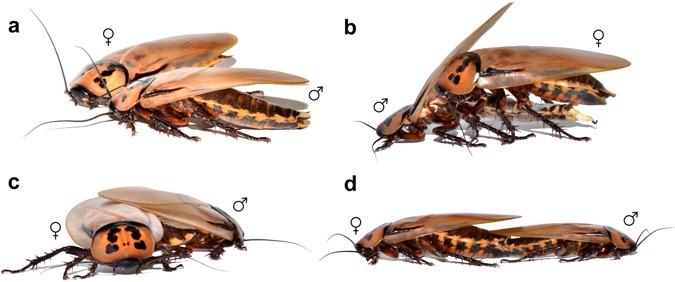
Male cockroaches begin by searching for a female ready to mate. They use their antennae to sense chemical signals from females. These signals indicate the female’s readiness. Males then perform a courtship dance, which includes specific movements and wing vibrations. This dance helps attract the female and reduce her aggression. If the female accepts, she remains still and allows the male to approach.
Copulation Mechanics
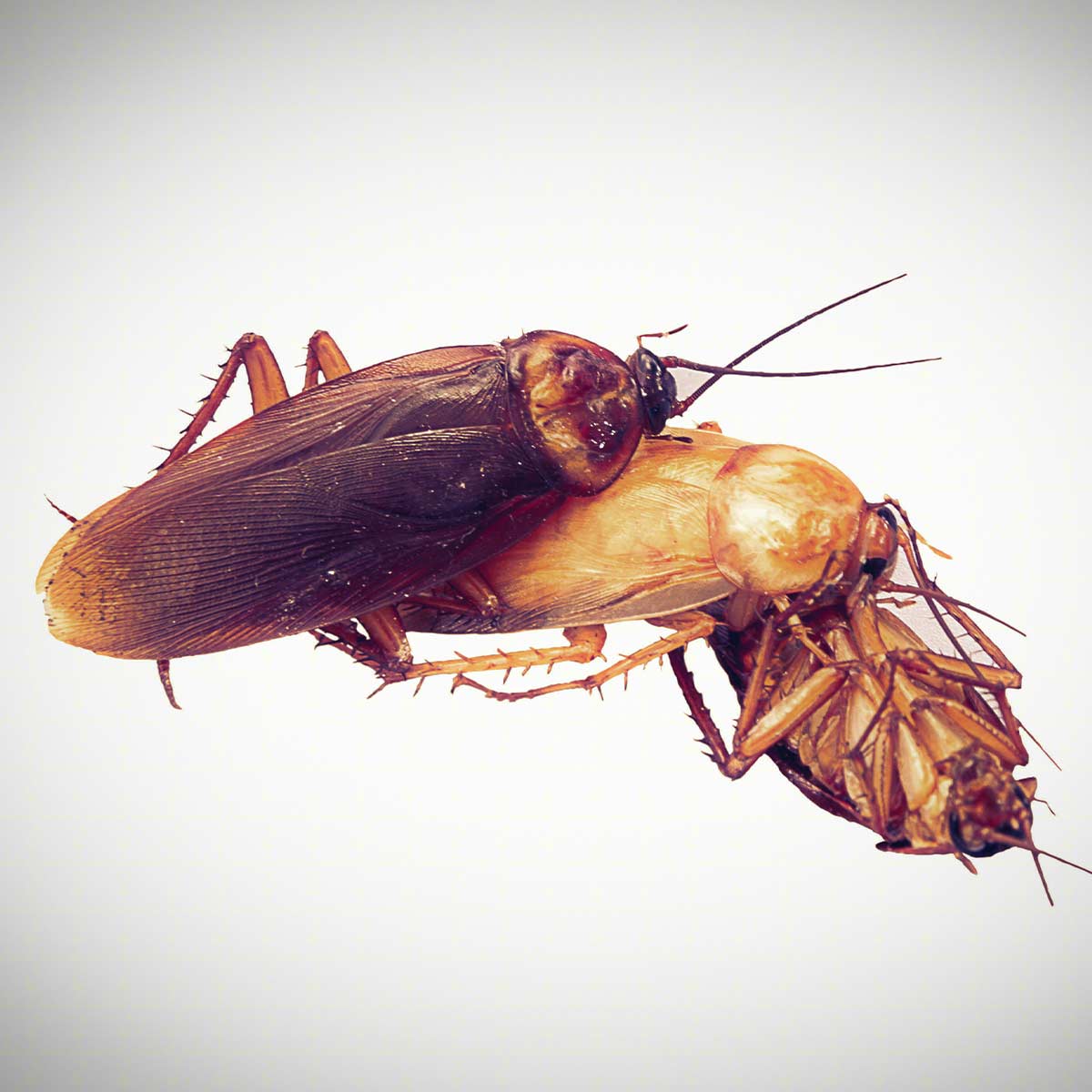
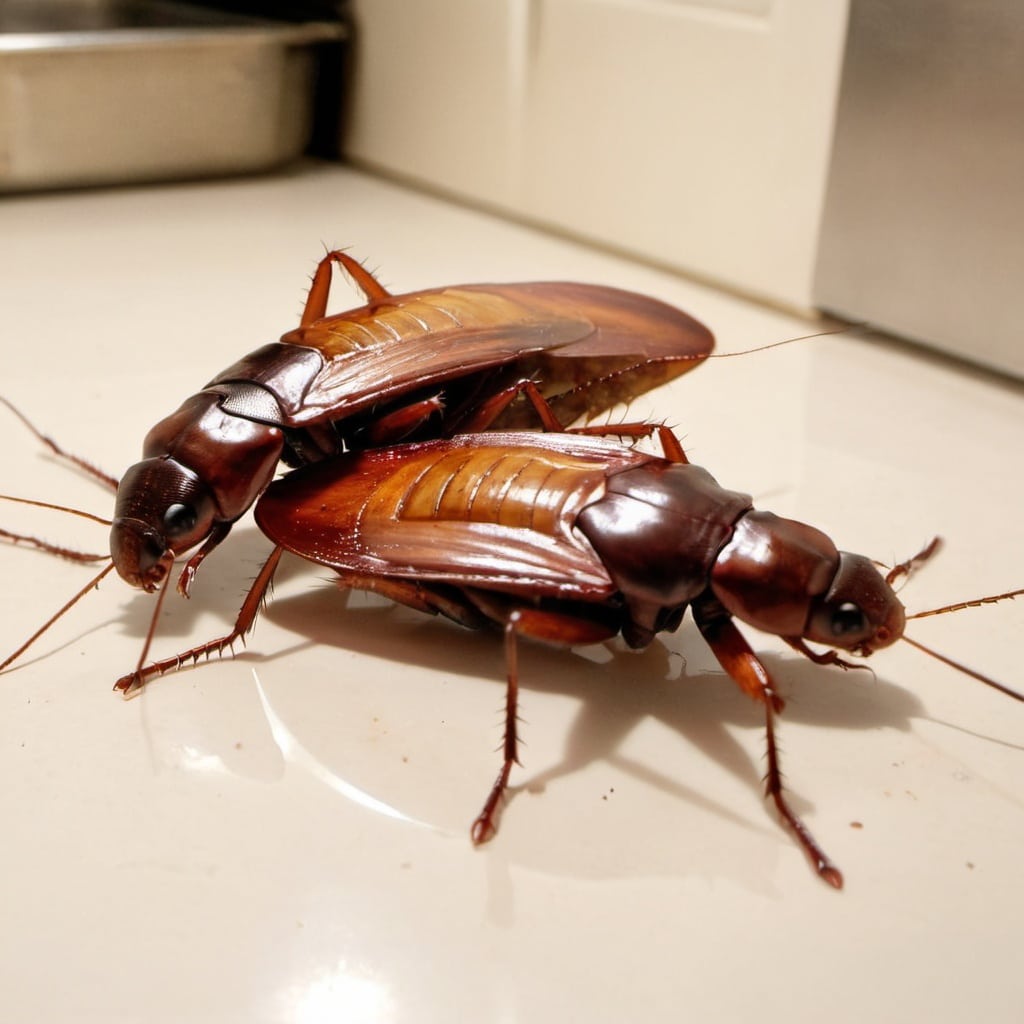
During copulation, the male mounts the female from behind. He aligns his body to connect their reproductive organs. The male transfers a sperm packet called a spermatophore to the female. This process takes several minutes. After mating, the female stores the sperm in a special organ. She uses it to fertilize eggs over time. This method ensures fertilization without repeated mating.
Credit: www.gogreenpestcontrol.com
Egg Laying And Development
After mating, female cockroaches start the egg-laying process. This stage is crucial for their life cycle. The eggs develop inside special cases that protect them. These cases keep the eggs safe until they hatch. Understanding egg laying helps explain how cockroach populations grow fast.
Ootheca Formation
Female cockroaches produce an egg case called an ootheca. It is a hard, brown capsule. The ootheca contains many eggs, sometimes up to 50. The female carries this case until the eggs are ready. Some species drop the ootheca in hidden places for safety.
Incubation Period
The eggs inside the ootheca take time to develop. This time varies by species and temperature. Usually, it lasts from a few weeks to over a month. During this period, baby cockroaches grow inside the eggs. When ready, they hatch and start their life outside.
Survival Strategies
Cockroaches use smart survival strategies to keep their species alive. They protect their eggs and guide young cockroaches through growth stages. These steps help them survive in many environments.
Understanding these strategies shows how cockroaches thrive despite threats. Their survival depends on careful care and development of their young.
Protection Of Eggs
Female cockroaches lay eggs inside a hard case called an ootheca. This case shields eggs from predators and harsh conditions. Some species carry the ootheca until eggs hatch. Others hide it in safe places. The ootheca helps eggs stay safe and grow strong.
Nymph Growth Stages
After hatching, young cockroaches are called nymphs. Nymphs look like small adults but without wings. They go through several molts, shedding their skin to grow. Each molt brings them closer to adulthood. This gradual growth helps them adapt and survive. Nymphs stay hidden to avoid danger during this time.
Interesting Mating Facts
Cockroach mating is full of surprising facts. Their behaviors during this time are unusual and worth knowing. Understanding these unique traits helps us see how they survive and reproduce.
Each species of cockroach shows different ways of mating. These variations make their reproduction process even more interesting.
Unique Behaviors
Male cockroaches perform a special dance to attract females. They use their antennae to touch and feel the female’s body. This helps them know if she is ready to mate.
Males also release chemicals called pheromones. These scents signal females that they are nearby and interested. Sometimes, the male offers a small gift of food to the female to win her favor.
The entire mating process can last from minutes to hours. During this time, they stay very still to avoid predators.
Species Variations
Not all cockroaches mate the same way. Some species lay eggs in a protective case called an ootheca. This case shields the eggs until they hatch.
Other species carry their eggs inside their bodies until the young are ready to emerge. This helps protect the young in dangerous environments.
Some cockroaches mate many times, while others only mate once in their lives. These differences depend on their habitat and survival needs.
Credit: termmax.net
Frequently Asked Questions
How Do Cockroaches Find Mates?
Cockroaches use chemical signals called pheromones to locate potential mates. These scents help males and females identify each other during mating season.
What Is The Cockroach Mating Process?
During mating, the male performs a courtship dance to attract the female. After acceptance, they align their bodies, and the male transfers sperm to fertilize eggs.
How Long Does Cockroach Mating Last?
Cockroach mating typically lasts between a few seconds to several minutes. The duration varies depending on the species and environmental conditions.
Do Cockroaches Mate Multiple Times?
Yes, cockroaches can mate multiple times throughout their lifespan. This increases genetic diversity and enhances their chances of successful reproduction.
Conclusion
Cockroach mating is a unique and interesting process. Males use special signals to attract females. After mating, females carry eggs in a case called an ootheca. This helps protect the eggs until they hatch. Understanding their mating habits can help control their population.
Cockroaches reproduce quickly, which makes them hard to stop. Knowing how they mate gives us clues to manage them better. Simple steps can reduce their numbers at home. Watching nature’s small details reveals how pests survive and grow.