
Are you worried about seed ticks crawling all over your dog? Those tiny pests can cause big problems, from itching to infections.
But don’t panic—getting rid of seed ticks is easier than you think. You’ll discover simple, effective steps to protect your furry friend and keep them comfortable. Keep reading, because your dog deserves a tick-free life, and you’re just moments away from learning how to make that happen.
Credit: ticksafety.com
Identifying Seed Ticks
Identifying seed ticks early helps protect your dog from discomfort and health risks. These tiny pests are hard to spot but cause itching and irritation. Knowing their look and where they hide makes removal easier. Check your dog often, especially in common tick areas. Watch for signs of tick bites to catch infestations fast.
Appearance And Size
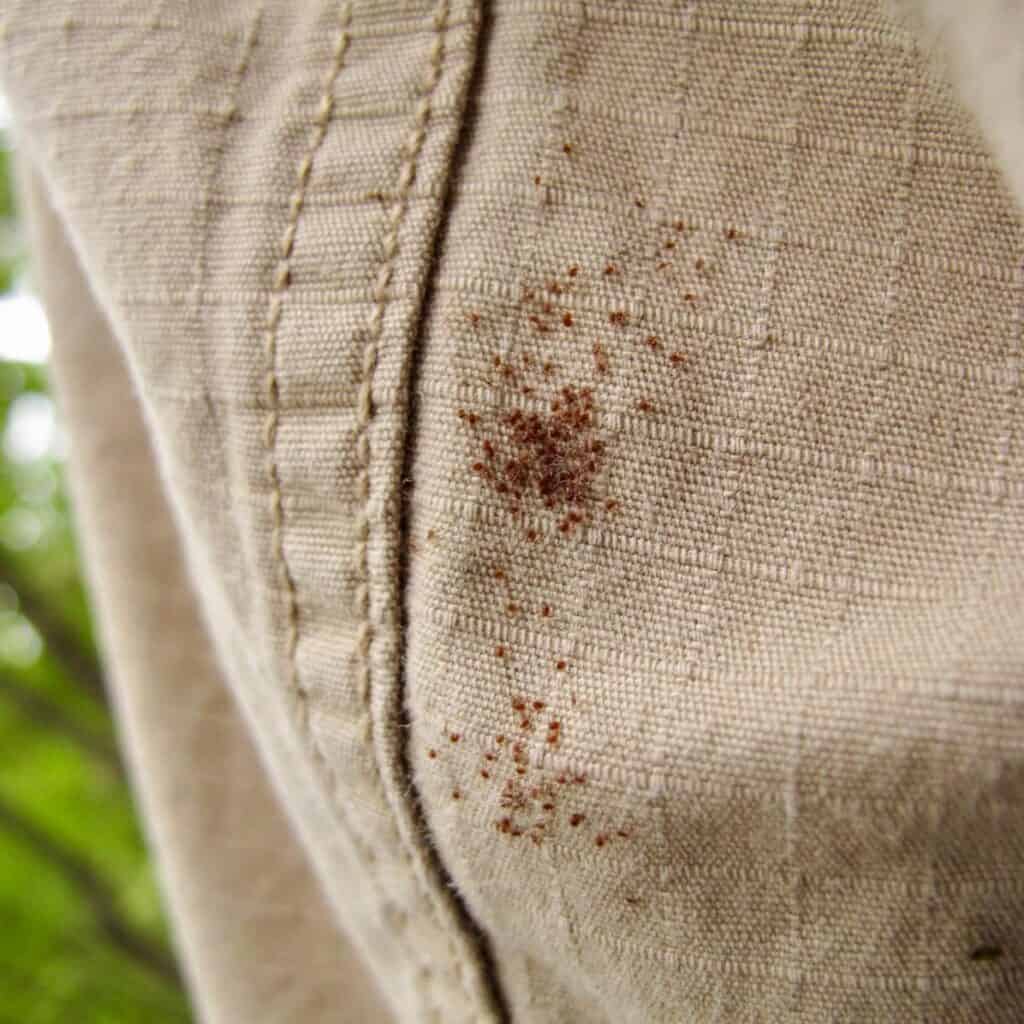
Seed ticks are very small, about the size of a poppy seed. They are usually reddish-brown or dark in color. Their round bodies can swell after feeding. At first, they look like tiny dots on your dog’s skin or fur. Their legs are short and hard to see without close inspection.
Common Infestation Areas
Seed ticks prefer warm, hidden spots on your dog’s body. Check behind the ears, around the neck, and near the eyes. Look under the collar and between the toes. Ticks like areas with thin fur and soft skin. These places are easy for them to attach and feed.
Signs Of Tick Bites
Tick bites cause redness and small bumps on the skin. Your dog may scratch or bite these spots often. You might notice scabs or hair loss at bite sites. Sometimes ticks cause swelling or irritation that lasts for days. Watch for changes in behavior, like restlessness or licking a certain area.
Risks Of Seed Tick Infestations
Seed tick infestations pose serious risks to dogs. These tiny parasites can cause discomfort and harm. Their presence can lead to health problems and spread diseases. Understanding these risks helps protect your dog effectively.
Health Issues For Dogs
Seed ticks bite and feed on your dog’s blood. This can cause itching and skin irritation. Dogs may scratch or bite affected areas, causing wounds. In some cases, ticks cause allergic reactions or anemia. Severe infestations may weaken your dog’s immune system.
Potential For Disease Transmission
Seed ticks can carry harmful germs and bacteria. They spread diseases like Lyme disease and Rocky Mountain spotted fever. These infections can cause fever, joint pain, and fatigue. Early detection and treatment are vital to prevent serious illness. Protecting your dog reduces the chance of disease transmission.
Safe Tick Removal Techniques
Removing seed ticks from your dog needs care and patience. Use safe methods to avoid harm or infection. Follow clear steps to get the ticks off gently and fully.
Tools You Need
- Tweezers with a fine tip
- Disposable gloves
- Antiseptic solution
- Small container or zip-lock bag
- Magnifying glass (optional)
- Treats for your dog
Step-by-step Removal Process
Wear gloves to protect your hands. Use tweezers to grasp the tick close to your dog’s skin. Pull the tick out steadily and gently. Avoid twisting or crushing the tick. Place the tick in the container for disposal. Clean the bite area with antiseptic. Give your dog a treat for good behavior.
Precautions To Take
- Do not squeeze the tick’s body; this may spread germs.
- Check your dog’s entire body for more ticks.
- Keep the bite area clean and dry.
- Watch for signs of infection or illness.
- Seek vet help if ticks are many or difficult to remove.
:max_bytes(150000):strip_icc()/how-to-get-rid-of-ticks-in-your-house-5224951_v1-f169849a9571441ab1449de166157c0f.jpg)
Credit: www.thespruce.com
Effective Tick Prevention Methods
Effective tick prevention keeps your dog safe and comfortable. Seed ticks can cause itching and spread diseases. Protecting your dog reduces health risks and saves you time. Use several methods together for best results. Here are some simple and effective ways to stop ticks on your dog.
Topical Treatments And Medications
Topical treatments work by killing ticks on contact. Apply these liquids directly to your dog’s skin. They spread across the body and protect for weeks. Some treatments repel ticks, preventing bites altogether. Always follow the instructions on the product label. Consult your vet for the best option for your dog.
Tick Collars And Natural Repellents
Tick collars slowly release chemicals that keep ticks away. They are easy to use and last for months. Choose collars made for your dog’s size and age. Natural repellents include essential oils like lavender or eucalyptus. These can help but may need frequent reapplication. Test a small area first to avoid skin reactions.
Environmental Control Tips
Keep your yard tidy to reduce tick habitats. Mow the lawn regularly and remove leaf piles. Create a barrier of wood chips or gravel between woods and grass. Avoid walking your dog in tall grass or dense bushes. Clean your dog’s bedding and check for ticks after outdoor time.
When To Visit The Vet
Knowing when to visit the vet is important for your dog’s health. Seed ticks can cause discomfort and health risks. Some signs need professional care right away. Acting fast can prevent serious problems.
Signs Of Infection Or Illness
Check your dog closely after removing seed ticks. Look for redness, swelling, or pus around the bite. Your dog may scratch or lick the area often.
Watch for fever, weakness, or loss of appetite. These signs show infection or illness. Limping or pain can also mean deeper problems.
Seek vet help if you notice any of these signs. Early treatment stops infections from getting worse.
Professional Tick Removal Options
Vets use safe tools to remove ticks completely. They ensure no tick parts stay under the skin. This reduces infection risk.
Professionals can give your dog medicine to prevent diseases. They may also suggest vaccines or treatments for tick bites.
Visit the vet if tick removal is difficult or if many ticks are present. They provide care that protects your dog’s health.
Credit: www.medicalnewstoday.com
Aftercare For Dogs Post-removal
After removing seed ticks from your dog, proper aftercare is crucial. It helps prevent infection and speeds up healing. Careful attention keeps your dog comfortable and safe.
Cleaning The Bite Area
Gently clean the bite spots with warm water and mild soap. Use a soft cloth or cotton ball. Avoid harsh chemicals that can irritate your dog’s skin. Pat the area dry with a clean towel. This removes dirt and bacteria that cause infection.
Monitoring For Symptoms
Watch your dog for signs of illness. Look for redness, swelling, or pus at the bite spots. Notice if your dog scratches or licks the area a lot. Check for fever, tiredness, or loss of appetite. These could mean an infection or allergic reaction. Contact a vet if symptoms appear.
Boosting Your Dog’s Immunity
Feed a balanced diet rich in vitamins and minerals. Fresh water helps flush out toxins. Regular exercise supports overall health. Consider supplements like omega-3 fatty acids after vet approval. A strong immune system helps your dog fight infections faster.
Conclusion
Seed ticks can cause discomfort and health risks for dogs. Regular checks help catch ticks early and keep your pet safe. Use gentle removal methods to avoid hurting your dog. Keep your yard clean to reduce tick habitats. Choose tick prevention treatments that suit your dog’s needs.
Staying calm and consistent makes a big difference. Protect your dog with care and attention every day. Small steps lead to a tick-free, happy pet.