Are you tired of finding ticks lurking in your garden, ready to hitch a ride on you or your pets? Ticks are not only annoying but can also carry harmful diseases that put your family’s health at risk.
The good news is, you don’t have to live with them. You’ll discover simple, effective ways to get rid of ticks in your garden for good. Keep reading, and you’ll learn how to protect your outdoor space so you can enjoy it safely and worry-free.
Identify Tick Habitats
Identifying tick habitats is the first step to control ticks in your garden. Ticks thrive in certain areas. Knowing these spots helps you avoid tick bites and keep your garden safe.
Common Tick Hotspots
Ticks prefer warm, moist places. They hide in tall grass and leaf piles. Shrubs and bushes near the ground also attract ticks. Wooded areas with dense plants are common homes for ticks. Avoid letting grass grow too tall. Clear away dead leaves and brush regularly. Keep garden edges trimmed to reduce tick zones.
Signs Of Tick Presence
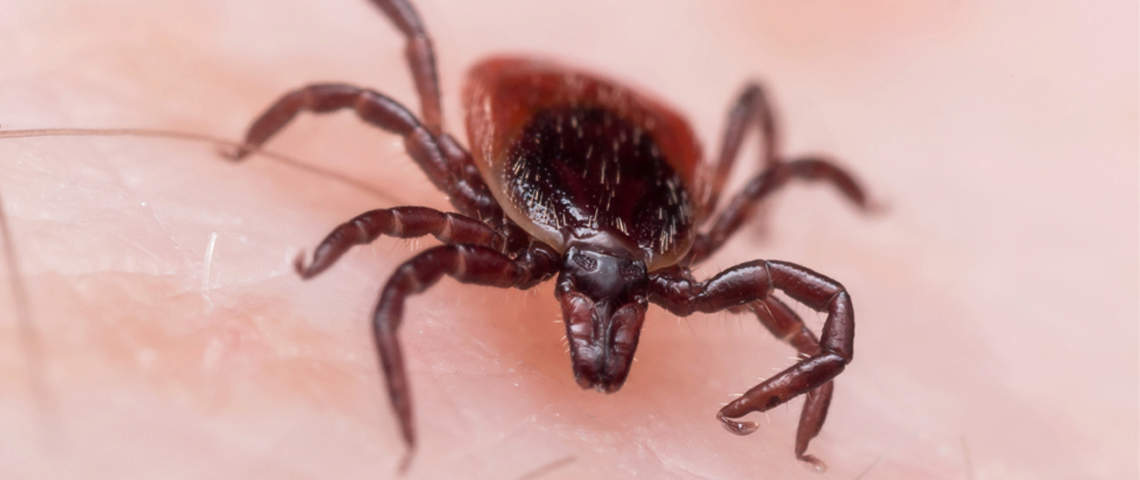
Ticks are small and hard to see. Look for tiny dark spots on plants and soil. Check pets and garden tools for ticks after use. You may notice small bites on your skin. Bird nests and rodent holes often have ticks. Spotting these signs early helps stop ticks from spreading.
Credit: www.gardentech.com
Maintain Your Garden
Keeping your garden well-maintained helps reduce the number of ticks. Ticks like tall grass and damp areas. A tidy garden removes their homes and stops their spread. Simple steps make your outdoor space safer and cleaner for your family and pets.
Trim Grass And Shrubs
Cut grass short to stop ticks from hiding. Trim shrubs and bushes regularly. This lets sunlight reach the ground. Ticks avoid bright, dry places. Mowing and pruning also improve air flow. These actions create less cozy spots for ticks to live.
Remove Leaf Litter And Debris
Clear fallen leaves and garden waste often. Leaf piles give ticks a cool, damp place to stay. Rake leaves and remove sticks or old plants. Keep garden beds clean and free of debris. This reduces tick shelters and lowers their numbers.
Use Natural Tick Repellents
Using natural tick repellents is a safe and eco-friendly way to protect your garden. These repellents keep ticks away without harmful chemicals. They help maintain a healthy environment for plants, pets, and family. Natural methods reduce the risk of tick bites and related illnesses. Simple herbs and homemade sprays work well to keep ticks at bay.
Plant Tick-repelling Herbs
Certain herbs naturally repel ticks. Planting them around your garden edges creates a protective barrier. Lavender, rosemary, and mint are effective choices. These herbs release scents that ticks dislike. They also add beauty and fragrance to your garden. Place herbs near play areas or paths for extra protection.
Homemade Spray Solutions
Homemade sprays can repel ticks without chemicals. Mix essential oils like eucalyptus, lemon, or cedar with water. Spray this solution on plants, grass, and garden furniture. Repeat application after rain or every few days. These sprays deter ticks from settling in your garden. Safe for children and pets when used properly.
Credit: www.fantasticpestcontrol.co.uk
Apply Chemical Treatments
Applying chemical treatments is an effective way to control ticks in your garden. It helps reduce tick populations quickly and protects your family from bites. Using the right chemicals safely is important to avoid harm to people, pets, and plants.
Choose Safe Pesticides
Select pesticides that target ticks but are safe for your garden. Look for products labeled for tick control. Avoid harsh chemicals that can damage plants or kill beneficial insects. Natural or low-toxicity options work well and reduce risks. Read all instructions carefully before buying any pesticide.
Proper Application Techniques
Apply pesticides evenly to all areas where ticks hide. Focus on tall grass, bushes, and leaf piles. Use a sprayer or spreader for good coverage. Apply treatments during calm, dry weather to avoid drift. Follow the recommended amount and timing on the label. Wear gloves and protective clothing for safety. Keep children and pets away until the area dries.
Create Tick Barriers
Creating barriers around your garden helps stop ticks from entering. These barriers make it hard for ticks to move from grassy or wooded areas into your garden space. Barriers also reduce contact between ticks and pets or people. Simple materials like wood chips or gravel work well. Physical fences keep larger animals that carry ticks away.
Wood Chip Or Gravel Borders
Place a wide strip of wood chips or gravel around your garden edges. Ticks avoid crossing dry, rough surfaces. Wood chips dry quickly and stay loose, making it hard for ticks to travel. Gravel creates a dry zone that is uncomfortable for ticks. A border of 3 feet or more is best to block tick movement. This method is low-cost and easy to maintain.
Fencing To Keep Wildlife Out
Install fencing to stop deer, rabbits, and other animals from entering your garden. These animals often carry ticks on their bodies. A strong fence reduces tick numbers by limiting animal traffic. Use a fence at least 6 feet tall to block deer. Make sure the fence sits tight to the ground to stop smaller animals. Keep gates closed and check for gaps regularly.
Protect Pets And Family
Protecting your pets and family from ticks is very important. Ticks carry diseases that can harm both animals and people. Taking steps to stop ticks in your garden helps keep everyone safe and healthy.
Simple actions can reduce the risk of tick bites. Watch your pets closely after they play outside. Teach family members how to check for ticks on their skin and clothes. These small habits make a big difference.
Tick Prevention For Pets
Use tick control products made for pets. These include collars, sprays, and spot-on treatments. Check your pet’s fur after outdoor time. Remove ticks quickly to avoid disease.
Keep pets out of tall grass and bushes. Trim plants near your home to reduce tick hiding spots. Regularly clean pet bedding and living areas.
Personal Protection Tips
Wear long sleeves and pants when working in the garden. Tuck pants into socks to stop ticks from reaching your skin. Use insect repellent that works against ticks.
After being outside, check your body carefully. Look behind ears, under arms, and around the waist. Shower soon after gardening to wash away ticks.
Monitor And Repeat
Getting rid of ticks in your garden is not a one-time task. You must keep checking your garden and repeat treatments. This helps stop ticks from coming back. Regular monitoring ensures your garden stays safe and tick-free. Let’s explore how to keep an eye on your garden and plan your treatments.
Regular Garden Inspections
Walk through your garden often. Look closely at plants, grass, and shaded areas. Ticks like warm, damp places. Check under leaves and near garden edges. Early spotting helps you act fast. Use a white cloth to drag over grass. This method catches ticks for easy spotting. Inspect pets and family after outdoor time. Removing ticks quickly stops them from spreading.
Seasonal Treatment Schedules
Ticks appear more in spring and fall. Plan treatments during these seasons. Apply tick control products as needed. Repeat treatments every few weeks. This keeps ticks from growing back. Use safe sprays or natural remedies for your plants. Follow product instructions carefully. Keep your garden clean by trimming bushes and mowing grass regularly. A tidy garden stops ticks from hiding.

Credit: naturalawn.com
Conclusion
Getting rid of ticks in your garden takes regular effort and care. Keep grass short and remove leaf piles where ticks hide. Use safe treatments and natural predators to lower tick numbers. Check pets and yourself after spending time outside.
Stay consistent with these steps to protect your family and garden. A tick-free yard is possible with patience and simple habits.