
Are you worried about ticks invading your yard and putting your family and pets at risk? You’re not alone.
These tiny pests can cause big problems, but the good news is you don’t have to use harsh chemicals to get rid of them. Imagine enjoying your outdoor space without constantly checking for ticks. You’ll discover simple, natural ways to protect your yard and keep ticks away for good.
Keep reading, and take the first step toward a safer, tick-free home.
Identify Tick-prone Areas
Identifying tick-prone areas in your yard is the first step to control these pests naturally. Ticks prefer certain environments that help them survive and find hosts. Knowing where they live helps you target these spots for removal or treatment.
Common Tick Habitats
Ticks often live in tall grass and thick bushes. They hide in shady, moist places. Leaf piles and woodpiles are favorite spots for ticks. Areas near deer paths or where pets roam can have many ticks. These places offer ticks shelter and food sources.
Signs Of Tick Presence
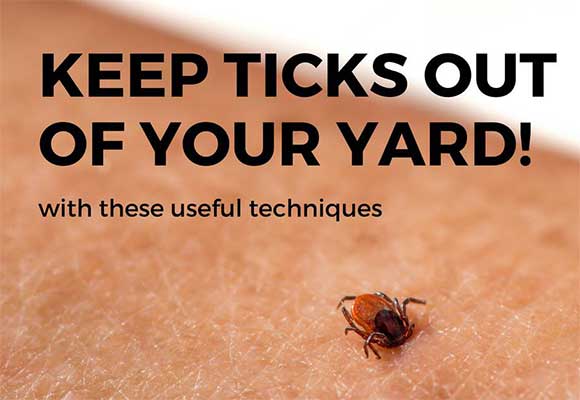
Look for small, dark ticks on plants near the ground. You may find tiny eggs or shed tick skins. Pets scratching a lot might have ticks on them. Check for small red bumps on skin after being outside. These signs show ticks are active in your yard.

Credit: www.youtube.com
Maintain Your Yard
Keeping your yard well-maintained helps reduce tick populations naturally. Ticks like tall grass, leaf piles, and dense bushes. These areas give them shade and places to hide. A tidy yard makes it harder for ticks to survive. Simple yard care steps can lower the risk of tick bites.
Regular Lawn Mowing
Cutting grass often keeps it short and less welcoming to ticks. Ticks prefer tall, moist grass to cling to. Mowing every week or two stops grass from growing too tall. It also improves air flow, which dries the ground. Dry grass is less friendly for ticks.
Remove Leaf Litter And Debris
Leaf piles and garden debris create perfect tick homes. Clearing leaves and old plants removes these hiding spots. Rake leaves in the fall and keep flower beds clean. This removes damp areas ticks need for survival. Dispose of debris far from your yard.
Trim Shrubs And Bushes
Pruning bushes opens up the yard to sunlight and air. Ticks avoid bright, dry places. Cutting back dense shrubs lowers tick shelter options. Keep branches and bushes away from walkways and play areas. This reduces tick exposure near your home.
Encourage Natural Predators
Encouraging natural predators is a smart way to reduce ticks in your yard. These predators eat ticks and help keep their numbers low. Using nature’s helpers avoids chemicals and keeps your yard safe and healthy.
Attract Birds And Beneficial Insects
Birds like chickens, guinea fowl, and robins eat ticks. Plant flowers and shrubs that provide food and shelter for these birds. Use native plants to attract insects that prey on ticks, such as ladybugs and spiders.
Place bird feeders and baths to invite more birds. Keep the yard clean to make it a safe place for them. This natural control reduces ticks without harming other animals.
Create Habitats For Tick-eating Wildlife
Wildlife such as lizards, frogs, and certain ants eat ticks. Create small brush piles, rock areas, or leaf litter spaces. These spots offer shelter and breeding areas for tick predators.
Avoid using pesticides that harm these helpful creatures. A diverse yard full of different habitats supports a natural balance. This balance helps keep tick populations under control.
Credit: www.envirotechpestcontrol.com
Use Natural Tick Repellents
Natural tick repellents provide a safe way to protect your yard. They keep ticks away without harsh chemicals. Using plants and oils can reduce tick numbers effectively. These methods are gentle for pets and children.
Natural repellents work by masking scents that attract ticks. They also create a barrier ticks avoid. Regular use helps keep your outdoor space safer and cleaner.
Essential Oils That Work
Some essential oils repel ticks well. Lavender oil has a strong scent ticks dislike. Eucalyptus oil also drives ticks away. Tea tree oil is another good choice. Cedarwood oil can keep ticks from settling.
Mixing these oils can increase their power. Use pure, high-quality oils for best results. Always dilute oils before applying to plants or soil. This protects plants and ensures safety.
Homemade Spray Recipes
Make a natural tick spray easily at home. Combine essential oils with water in a spray bottle. For example, mix 10 drops of lavender oil with 1 cup of water. Add a teaspoon of mild soap to help oils mix.
Shake well before each use. Spray around your yard, focusing on grass and bushes. Reapply every few days for ongoing protection. Avoid spraying on edible plants or flowers.
This simple spray helps reduce ticks without chemicals. It is safe for pets and children too. A natural approach that works well with regular yard care.
Plant Tick-repellent Vegetation
Using plants that naturally repel ticks is a smart way to protect your yard. These plants create a barrier that ticks avoid. They keep your outdoor space safer without chemicals. Plus, they add beauty and fragrance to your garden.
Planting tick-repellent vegetation is simple. Choose the right plants and place them carefully. This method helps reduce tick numbers and keeps pets and family safe.
Best Plants To Deter Ticks
Some plants have strong scents ticks dislike. Lavender is one of the best. It smells good to people but drives ticks away. Rosemary also works well. Its woody scent confuses ticks.
Marigolds are bright and keep ticks off. They produce a smell ticks hate. Garlic and onions release sulfur compounds that ticks avoid. Eucalyptus has a fresh scent that ticks dislike too.
How To Arrange Plants For Maximum Effect
Plant tick-repellent flowers around play areas and patios. Create a thick border along fences. This stops ticks from entering your yard. Group plants close together to form a strong barrier.
Mix different plants for better protection. This variety confuses ticks more. Keep plants trimmed and healthy. Strong scents work best when plants are fresh and growing well.
Create Barriers To Limit Tick Spread
Creating barriers is a smart way to stop ticks from spreading in your yard. Barriers block ticks from moving into areas where people and pets play. They also reduce places where ticks can hide and breed. Simple, natural barriers help keep your yard safer without chemicals.
Wood Chip Or Gravel Borders
Wood chips and gravel make good borders around your yard. These materials dry quickly and do not hold moisture. Ticks need moist areas to survive, so dry borders can stop them. Place a 3-foot wide border between your lawn and wooded areas. This space acts as a buffer zone, reducing tick movement. Wood chips and gravel are easy to install and maintain. They also add a clean look to your yard.
Fencing To Keep Out Wildlife
Wild animals like deer and rodents carry ticks into yards. Fencing can keep these animals out. Use fences that are at least 8 feet tall to block deer. Smaller mesh fencing helps stop rodents from entering. Keep fences tight to the ground to prevent animals from crawling underneath. Fencing reduces tick carriers and lowers tick numbers in your yard. It is a natural, long-lasting way to control ticks.
Manage Wildlife And Pets
Managing wildlife and pets plays a big role in reducing ticks in your yard. Ticks often hitch rides on animals and find homes in places where wildlife is common. Controlling animal access and protecting pets can lower the number of ticks around your home.
Prevent Wildlife Entry
Wild animals like deer, raccoons, and rodents bring ticks into yards. Blocking their entry helps stop ticks from spreading. Use fences that are at least 8 feet tall to keep deer out. Seal holes and gaps in your fence to stop smaller animals.
Remove brush, woodpiles, and tall grass where animals hide. Clear areas near your home to make it less inviting. Use natural repellents like cedar chips along fence lines. These steps create a barrier wildlife avoid.
Protect Pets From Ticks Naturally
Pets can bring ticks inside your home. Check them often, especially after outdoor play. Use natural tick repellents made from essential oils like lavender or eucalyptus. These oils keep ticks away without chemicals.
Keep your pet’s bedding clean and wash it regularly. Trim your yard’s grass where pets spend time. A tidy yard helps reduce tick habitats. Regular grooming also helps find ticks early before they attach.
Monitor And Repeat Treatments
Keeping ticks out of your yard takes more than one treatment. Monitoring and repeating natural treatments is key to success. Ticks hide in grass, leaves, and shaded areas. Regular checks help catch them early. Reapplying treatments keeps tick numbers low over time.
Regular Yard Inspections
Check your yard at least once a week. Focus on tall grass, bushes, and leaf piles. Use a white cloth or tape to spot ticks easily. Look under decks and around garden beds. Early detection stops ticks from spreading. Regular inspections catch new ticks fast.
Timing For Natural Treatments
Apply treatments during tick active seasons: spring and fall. Treat your yard after mowing or rain. Repeat treatments every two to three weeks. Natural oils and sprays lose strength over time. Consistent timing improves treatment success. Avoid late summer when ticks are less active.
:max_bytes(150000):strip_icc()/how-to-get-rid-of-ticks-in-your-house-5224951_v1-f169849a9571441ab1449de166157c0f.jpg)
Credit: www.thespruce.com
Conclusion
Keeping ticks out of your yard naturally is simple and safe. Use plants that repel ticks and keep grass short. Remove leaf piles and brush where ticks hide. Create dry, sunny areas since ticks prefer damp places. Check your pets often and treat them properly.
These small steps reduce tick problems without chemicals. A healthy yard means fewer ticks and safer family fun. Start today to enjoy your outdoor space worry-free.