Are you tired of finding unwanted millipedes creeping into your home? These tiny creatures can be more than just a nuisance—they can make your living space uncomfortable and hard to manage.
But what if you could stop them without using harsh chemicals or expensive treatments? You’ll discover simple, natural ways to keep millipedes out of your house for good. By following easy steps, you’ll create a barrier that protects your home and keeps these pests at bay.
Keep reading, and take control of your space naturally and effectively.
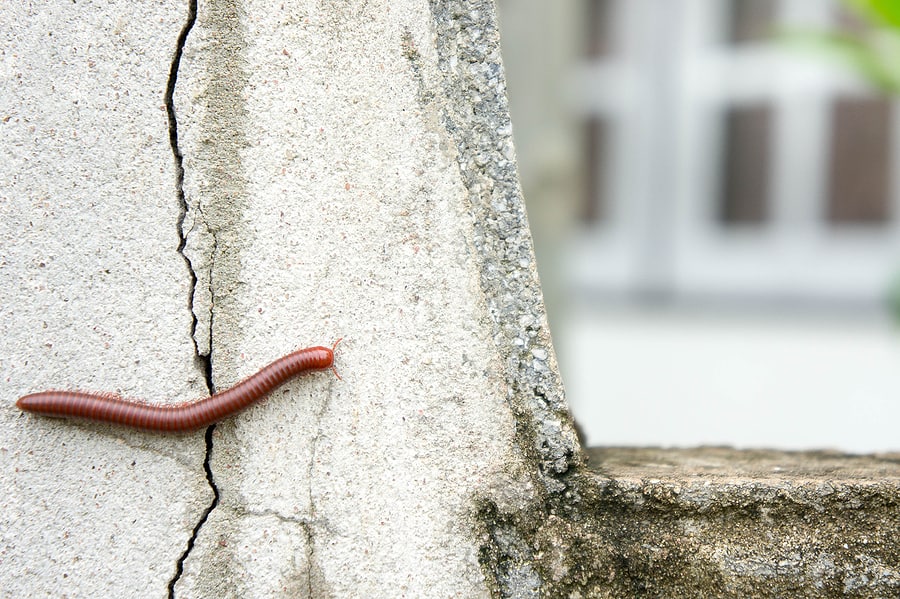
Credit: www.callnorthwest.com
Why Millipedes Invade Homes
Millipedes often enter homes seeking safety and comfort. Changes in weather or habitat force them to move. They look for moist, dark places inside houses. Understanding why they invade helps prevent them naturally.
Common Millipede Habitats
Millipedes live in damp soil, under leaves, and in wood piles. They prefer dark, wet areas with plenty of organic matter. Gardens, flower beds, and compost piles attract them easily. These places provide food and shelter for millipedes.
Inside homes, millipedes hide in basements, crawl spaces, and bathrooms. They need moisture to survive and avoid bright light. Cracks and gaps near foundations give them easy entry.
Attractors Around Your House
Standing water and wet mulch invite millipedes near homes. Overwatered plants and clogged gutters create moist spots. Piles of leaves or grass clippings close to walls attract these pests.
Wood stacks and debris near the house also serve as shelters. Poor drainage and leaky pipes increase moisture levels. These attract millipedes and encourage them to enter.

Credit: maggiesfarmproducts.com
Seal Entry Points
Sealing entry points is a key step to stop millipedes from entering your home. These tiny creatures squeeze through small gaps and cracks. Blocking these openings keeps them outside where they belong. It also helps reduce other pests. This method uses simple, natural ways to protect your space.
Check Doors And Windows
Doors and windows are common places millipedes enter. Check for gaps under doors and around frames. Use weather stripping to close openings. Inspect window screens for holes or tears. Repair or replace damaged screens quickly. Make sure windows close tightly and seal well.
Fix Cracks And Gaps
Look for cracks in walls, foundations, and around pipes. Use caulk or sealant to fill these small openings. Pay attention to areas near the ground. Seal gaps around vents and utility lines. These fixes keep millipedes and moisture out. A well-sealed home stays dry and pest-free.
Reduce Moisture
Millipedes thrive in damp places. Reducing moisture helps keep them away from your home. Dry spaces make your house less inviting for millipedes. Simple steps can lower moisture indoors and outdoors. This stops millipedes from entering and settling inside.
Manage Indoor Humidity
High indoor humidity attracts millipedes. Use a dehumidifier to keep air dry. Ventilate rooms by opening windows and doors. Fix leaky pipes or faucets quickly. Use exhaust fans in bathrooms and kitchens. Keep basements and crawl spaces well-ventilated. These actions reduce dampness that millipedes love.
Improve Outdoor Drainage
Water pooling near your home invites millipedes. Make sure gutters and downspouts direct water away. Grade soil around the house to slope away. Remove debris and leaves that hold moisture. Avoid overwatering plants near your foundation. Proper drainage lowers wet spots where millipedes hide.
Natural Repellents
Natural repellents offer a safe and effective way to keep millipedes out of your home. These options use ingredients found around the house or in nature. They avoid harsh chemicals and protect your family and pets.
Using natural repellents means creating a barrier millipedes avoid. Strong smells often drive them away. These scents confuse their senses and stop them from entering your living spaces.
Essential Oils That Work
Essential oils are powerful natural repellents against millipedes. Oils like peppermint, tea tree, and eucalyptus have strong smells millipedes dislike. Peppermint oil is especially effective because it masks other scents millipedes use to navigate.
To use essential oils, dilute a few drops with water or carrier oil. Apply the mixture near doorways, windows, and other entry points. Refresh the scent regularly for the best protection.
Homemade Spray Recipes
Creating your own spray is simple and cost-effective. Mix essential oils with water in a spray bottle. Add a small amount of dish soap to help the spray stick to surfaces.
One recipe includes 10 drops of peppermint oil, 10 drops of eucalyptus oil, and one cup of water. Shake well before each use. Spray around your home’s foundation, baseboards, and dark corners.
This spray repels millipedes naturally and can be sprayed frequently. It is safe for use around children and pets when used properly. Use homemade sprays to keep millipedes at bay without chemicals.
Yard Maintenance
Yard maintenance plays a key role in keeping millipedes out of your home naturally. Millipedes like damp, dark places full of leaves and plants. Cleaning up your yard reduces their hiding spots and makes your home less inviting. Regular care helps stop millipedes before they get close to your house.
Remove Leaf Litter And Debris
Clear away fallen leaves and plant debris from your yard. These materials hold moisture and create perfect homes for millipedes. Use a rake to gather leaves and dispose of them far from your house. Keep the ground dry and clean to make your yard less friendly to pests.
Trim Vegetation Near Foundation
Cut back plants and bushes near your home’s foundation. Thick vegetation traps moisture and gives millipedes easy access inside. Keep grass and plants at least a few feet away from walls. This simple step reduces dampness and blocks millipedes from entering your home.
Use Beneficial Plants
Using beneficial plants is a natural way to keep millipedes away from your home. Certain plants have smells that millipedes dislike. These plants act as a natural barrier. They help reduce the chance of millipedes entering your house. Growing these plants around your home is safe and eco-friendly.
Plants That Deter Millipedes
Some plants have strong scents that millipedes avoid. Lavender is one such plant. It smells nice to people but not to millipedes. Rosemary also works well with its woody aroma. Mint plants can repel millipedes and other pests too. Marigolds are bright and keep bugs away. These plants act as natural repellents without chemicals.
Plant Placement Tips
Place these plants near doors and windows. Focus on areas where millipedes enter often. Plant them along pathways and garden edges. Keep soil dry around plants to make it less inviting. Avoid dense plant growth close to the house walls. This limits hiding spots for millipedes near your home.
Safe Trapping Methods
Safe trapping methods help control millipedes without using harsh chemicals. These traps catch millipedes gently. You can remove them from your home without harm. Using traps keeps pets and children safe. Traps also avoid pollution inside your house. They work well with other natural prevention steps.
Diy Traps
Make simple traps with items from around your house. Use a shallow container and add a little water. Place a piece of damp cardboard over it. Millipedes like moist places and will crawl onto the cardboard. They fall into the water and stay trapped. Check traps daily and empty them outside, away from your home.
When To Use Traps
Set traps during cool, wet seasons when millipedes are active. Use them near entry points like doors and windows. Place traps in dark corners and basements where millipedes hide. Traps work best at night because millipedes are more active. Use traps as part of your regular home care routine.
Regular Monitoring
Regular monitoring is key to keeping millipedes out of your home. It helps catch problems early. You can stop an infestation before it grows. Checking your home often keeps you aware of any millipede activity. This way, you take action quickly and naturally.
Routine Checks
Look around your house weekly. Focus on damp areas like basements and bathrooms. Check near doors, windows, and vents. Millipedes like dark, wet spots. Use a flashlight to spot them at night. Clear away leaves and mulch close to your home. These checks help you find millipedes before they multiply.
Signs Of Infestation
Watch for small, worm-like creatures inside your home. Look for clusters of millipedes in corners or near water sources. Notice any musty odors or damp smells. Check for tiny holes in soil or mulch outside. Dead millipedes inside can also signal a problem. Spotting these signs early helps you act fast and keep millipedes away naturally.
:max_bytes(150000):strip_icc()/House-centipede-prevention-removal-5191355-V2-ab587f0d9fc94a638929015d82e802d7.png)
Credit: www.thespruce.com
Conclusion
Preventing millipedes from entering your home starts with simple steps. Keep your house dry and clean to remove their hiding spots. Seal cracks and gaps where they might sneak in. Use natural repellents like essential oils near doors and windows.
Clear away leaves and mulch close to your walls. These small actions help keep millipedes outside. Stay consistent, and your home will stay pest-free naturally. Simple habits make a big difference over time. Stay patient and watch your efforts pay off.