
Earwigs are small insects that many people find creepy. They often hide in dark places outside. But sometimes, they come inside homes. Why do earwigs come indoors? What attracts them? This article will explain what makes earwigs enter houses and how you can stop them.
Who Are Earwigs?
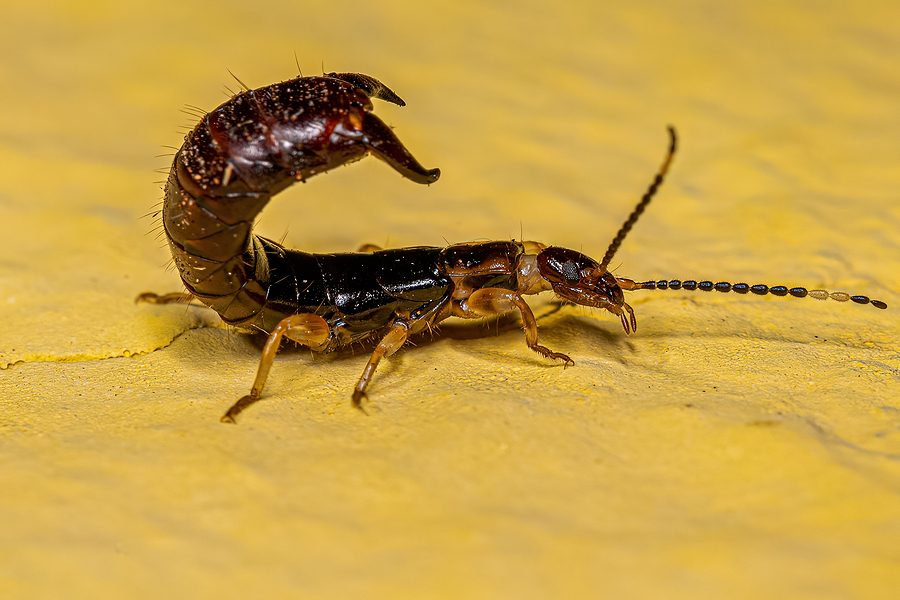
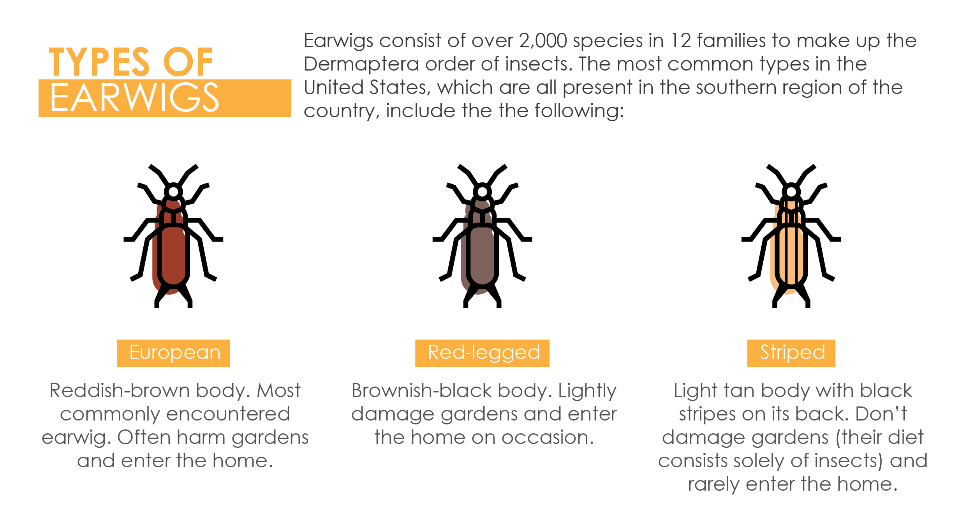
Earwigs are insects with long bodies. They have pincers on their back ends. These pincers look like small claws. Earwigs are mostly brown or black. They like dark, damp places to live. They hide under leaves, stones, and logs outside.
Credit: www.mccallservice.com
Why Do Earwigs Come Inside?
Earwigs usually live outside. But sometimes, they move inside homes. This happens more in certain times of the year. In the fall, earwigs look for warm places. They want to stay safe during cold weather. Homes can be warm and dry. That’s why earwigs come inside.
But warmth is not the only reason. Earwigs also look for food and shelter indoors. They want places where they can hide. They like places that are quiet and dark.
Main Things That Attract Earwigs Indoors
Earwigs do not just come inside by accident. Some things attract them more than others. Let’s look at the main reasons earwigs enter homes.
1. Moisture And Damp Areas
Earwigs love moisture. They stay in damp places outside. When they come inside, they look for wet or humid areas. Bathrooms, kitchens, basements, and laundry rooms are good places for earwigs. If these places are wet or have leaks, earwigs will come near.
Pipes that drip water or wet floors also attract them. Earwigs can live longer where there is water. So, moisture inside your house is a big attractor.
2. Food Sources
Earwigs eat many things. They like plants, dead insects, and small bugs. Inside homes, they look for food too. Leftover food crumbs, fruit, and decaying plants attract earwigs. If you keep food open or clean poorly, earwigs may find a meal.
Houseplants can also attract earwigs. If the soil is moist and plants have dead leaves, earwigs will come. They hide in the soil and eat plant parts.
3. Warmth And Shelter
Earwigs want warm places in cold weather. Homes are warmer than outside in fall or winter. They look for cracks, crevices, and small holes to enter. Once inside, they hide in dark, quiet places. They can stay behind furniture, in closets, and under rugs.
Warmth and shelter are important for earwigs. If your home has many hiding spots, earwigs will like it.
4. Light At Night
Earwigs are active at night. Lights outside your home can attract them. Porch lights, garden lights, and street lamps bring earwigs close. They come near the light to find food and mates. From there, they may find a way inside.
You might see earwigs around lighted doorways or windows. This is because light draws them in.
5. Plants And Garden Near Home
Earwigs live near plants and gardens outside. If you have many plants close to your house, earwigs will be nearby. They use plants for food and shelter. Leaves and mulch hold moisture. This makes a perfect place for earwigs.
If plants touch your walls or windows, earwigs can crawl inside easily. Keep plants trimmed away from the house.
Common Places Earwigs Hide Indoors
Earwigs do not like bright places. They hide where it is dark and quiet. Here are some places they like inside your home:
- Under sinks and cabinets
- Basements and crawl spaces
- Behind furniture and appliances
- Inside closets and boxes
- Near houseplants and soil
- Bathrooms and laundry rooms
These places have moisture or darkness. This keeps earwigs safe and comfortable.
How to Stop Earwigs from Coming Inside
Knowing what attracts earwigs helps you stop them. Here are some simple steps to keep earwigs away.
1. Fix Leaks And Remove Moisture
Check your home for water leaks. Fix dripping pipes and faucets. Use fans or dehumidifiers to dry damp rooms. Keep basements and crawl spaces dry. This makes your home less attractive to earwigs.
2. Clean Food And Plants
Clean up food crumbs and spills quickly. Store food in sealed containers. Remove dead leaves from houseplants. Avoid overwatering plants. These steps reduce food and moisture for earwigs.
3. Seal Entry Points
Check your home’s walls and foundation. Seal cracks and holes with caulk or weather stripping. Use door sweeps to close gaps under doors. This blocks earwigs from entering.
4. Reduce Outdoor Lighting
Use outdoor lights only when needed. Choose yellow bulbs that attract fewer insects. Turn off lights near doors and windows at night. This lowers earwigs coming close to your home.
5. Keep Plants Away From Walls
Trim plants and bushes near your house. Keep mulch and leaves away from your foundation. This removes earwig hiding spots near your home.
Credit: www.lloydpest.com
Table: Summary of What Attracts Earwigs Indoors
| Attraction | Why Earwigs Like It | How to Reduce |
|---|---|---|
| Moisture | Earwigs need wet places to survive | Fix leaks, use dehumidifiers |
| Food | Earwigs eat plants, crumbs, dead insects | Clean food spills, store food well |
| Warmth | Warm places protect earwigs in cold weather | Seal cracks, close entry points |
| Light | Lights attract earwigs at night | Reduce outdoor lighting, use yellow bulbs |
| Plants Near Home | Plants provide food and shelter | Trim plants away from walls |
Conclusion
Earwigs come indoors for many reasons. Moisture, food, warmth, light, and plants attract them. If your home has these things, earwigs may visit. But you can stop them by fixing leaks, cleaning food, sealing holes, and reducing lights. Keep plants trimmed and dry. These simple steps make your home less attractive to earwigs. Stay alert and keep your house safe from these small visitors.