Have you ever heard a faint ticking noise coming from your car’s engine and wondered, “What causes lifter tick?” That annoying sound can be more than just a minor nuisance—it might signal a problem that could affect your vehicle’s performance. Understanding why your lifters tick is the first step to keeping your engine running smoothly and avoiding costly repairs.
You’ll discover the common reasons behind lifter tick and what you can do to fix it before it becomes a bigger issue. Keep reading to protect your engine and your wallet.
Credit: www.powertrainproducts.net
Lifter Tick Basics
Lifter tick is a common noise in car engines. It can sound like tapping or clicking. This noise comes from the engine’s lifters. Understanding lifter tick basics helps you spot problems early. It also guides you on when to seek repairs. Let’s explore what lifter tick noise is, its symptoms, and why it matters.
What Is Lifter Tick Noise
Lifter tick noise is a tapping sound from the engine. It happens when the lifters don’t move smoothly. Lifters help open and close engine valves. When oil flow is low, lifters can make noise. This noise often gets louder when the engine is cold.
Common Symptoms
You may hear tapping from the engine’s top area. The noise can start quietly and grow louder. Sometimes, the engine runs rough or loses power. The check engine light may stay off. The noise usually changes with engine speed.
Why It Matters
Lifter tick can signal engine wear or damage. Ignoring it may lead to bigger engine problems. Early attention can prevent costly repairs later. Quiet lifters mean a healthier engine. Knowing this helps keep your car running well.

Credit: www.dubizzle.com
Engine Oil Issues
Engine oil plays a key role in keeping your car’s lifters quiet and healthy. Problems with the oil can cause lifter tick, a ticking noise from the engine. This noise happens because the lifters do not get the right lubrication. Poor oil conditions make the lifters work harder and create noise. Let’s explore the common engine oil issues that cause lifter tick.
Low Oil Levels
Low oil levels reduce the lubrication in the engine. Without enough oil, lifters cannot move smoothly. This causes metal parts to rub against each other. The rubbing creates the ticking sound known as lifter tick. Checking and topping up oil regularly helps prevent this issue.
Oil Contamination
Dirty or contaminated oil loses its ability to lubricate well. Dust, dirt, and metal particles can get into the oil. These contaminants block oil flow to the lifters. When lifters receive dirty oil, they become noisy and worn out. Changing oil on time keeps the engine clean and quiet.
Using Wrong Oil Type
Using the wrong oil type affects engine performance. Oil with incorrect thickness or grade does not flow properly. Thick oil may not reach lifters quickly. Thin oil may not protect engine parts enough. Always use the oil type recommended by your car’s manual.
Mechanical Wear
Mechanical wear plays a major role in causing lifter tick noises in engines. Over time, parts inside the engine experience friction. This friction causes small damages that lead to noise. Understanding these worn parts helps spot the problem early. Below are key areas affected by mechanical wear.
Worn Lifters
Lifters move up and down to open engine valves. Constant movement causes metal surfaces to wear out. When lifters wear, they no longer move smoothly. This creates a ticking noise, especially when the engine is cold. Worn lifters reduce engine efficiency and cause rough running.
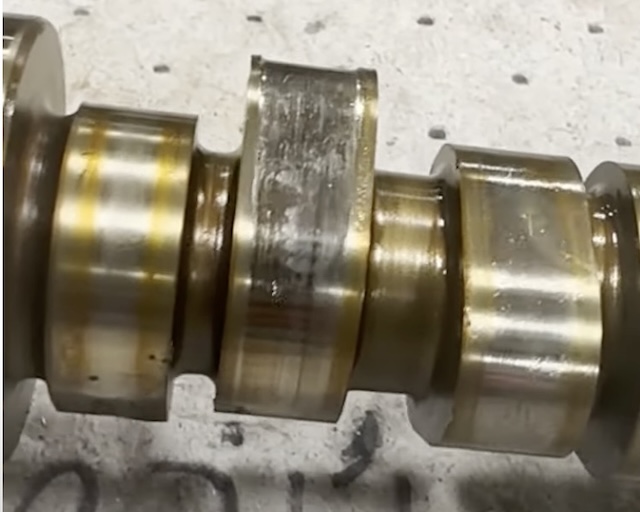
Camshaft Damage
The camshaft controls lifter movement by pushing them in a specific order. Its lobes can wear down due to friction and lack of lubrication. Damaged camshaft lobes cause uneven lifter motion. This leads to irregular lifter tick sounds. Camshaft damage can also affect valve timing, harming engine performance.
Valve Train Wear
The valve train includes lifters, pushrods, and rocker arms. All parts work together to open and close valves. Over time, these parts wear at contact points. Worn valve train components cause gaps and loose movement. This creates a repetitive ticking noise during engine operation. Valve train wear may cause engine misfires and lower power.
Hydraulic Lifter Problems
Hydraulic lifters play a vital role in your engine’s performance. They control the valve movement quietly and smoothly. Problems with these lifters often cause the annoying lifter tick noise. Understanding these issues helps in spotting and fixing them early.
Clogged Oil Passages
Oil flows through small passages to keep lifters working well. Dirt and sludge can block these passages. Blocked oil passages stop lifters from getting enough oil. Without oil, lifters become noisy and start ticking.
Failed Lifters
Lifters can wear out or break over time. A failed lifter cannot absorb valve movement properly. This failure causes loud ticking sounds in the engine. Replacing bad lifters is necessary to stop the noise.
Improper Valve Adjustment
Valves must be adjusted correctly for lifters to work right. Too tight or too loose valves stress the lifters. This stress causes ticking noises and engine trouble. Proper valve adjustment keeps lifters quiet and smooth.
Environmental And Usage Factors
Environmental and usage factors play a big role in causing lifter tick sounds in engines. These sounds often come from the way you use your vehicle and the conditions it faces daily. Understanding these factors helps spot issues early and keep your engine running smoothly.
Cold Starts
Cold starts strain the engine parts, especially in chilly weather. Oil thickens when cold and does not flow properly. This lack of lubrication causes lifters to make ticking noises. It takes time for oil to reach all engine parts after starting. Frequent cold starts increase wear and tear on lifters.
Extended Idle Times
Long idle times can cause lifter tick sounds too. When the engine runs but the car does not move, oil pressure drops. Low oil pressure means lifters do not get enough oil. This causes ticking noises and possible damage. Avoid long idles to keep lifters healthy.
High Mileage Effects
High mileage engines face more lifter tick problems. Over time, engine parts wear down and clearances increase. Worn lifters do not work quietly or smoothly. Dirt and sludge buildup also block oil flow. Regular oil changes reduce ticking but high mileage still stresses lifters.
Diagnosing Lifter Tick
Diagnosing lifter tick is key to fixing engine noise problems early. The lifter tick sound comes from small parts inside the engine called lifters. These parts help valves open and close smoothly. Detecting the cause of the tick needs careful checks. Mechanics use specific methods to find out why the lifter tick happens.
Listening Techniques
Listening closely to the engine helps spot lifter tick. Use a mechanic’s stethoscope or a long screwdriver. Place it near the engine parts and listen for ticking sounds. The noise often changes with engine speed. Pinpointing the exact spot of the tick is easier with this method. It gives clues about which lifter or area needs attention.
Oil Pressure Tests
Oil pressure affects lifter performance. Low pressure can cause lifter tick. Testing oil pressure shows if the engine oil flows properly. A gauge connects to the engine’s oil system. The reading tells if the oil pump works well. Normal oil pressure means lifters get enough oil. Low pressure suggests an oil flow problem causing the tick.
Visual Inspections
Visual checks find obvious lifter problems. Mechanics remove engine covers to see lifters and valves. Look for wear, damage, or dirt on lifters. Dirty or worn lifters cause ticking noises. Inspect oil levels and cleanliness too. Clean oil keeps lifters working quietly. Visual checks help decide if parts need cleaning or replacing.
Fixing Lifter Tick
Fixing lifter tick is important to keep your engine running smoothly. The ticking sound comes from lifters, small parts inside the engine. They can cause noise if they do not work well. Fixing this issue can stop the noise and prevent bigger engine problems. Here are some ways to fix lifter tick.
Oil Change And Additives
Old or dirty oil can cause lifters to tick. Changing the oil regularly helps keep lifters clean and working well. Use the right oil type for your engine. Special oil additives can also help. These additives clean the lifters and reduce noise. They improve oil flow and protect engine parts.
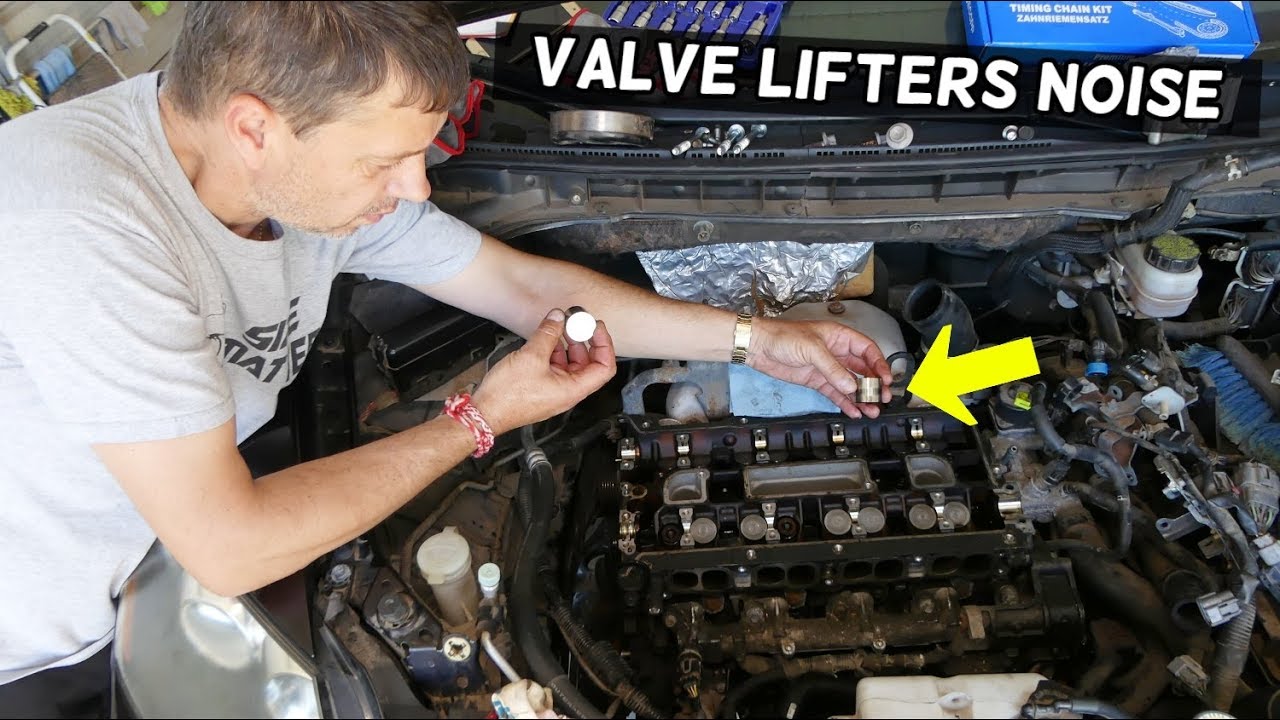
Replacing Lifters
Sometimes lifters wear out and need replacing. If oil changes do not fix the tick, new lifters might be needed. This process takes time and skill. Worn lifters can cause engine damage if not replaced. Using quality replacement parts ensures better engine life.
Professional Repairs
Fixing lifter tick can be tricky. A mechanic can find the exact cause and fix it right. Professionals have tools and experience to repair lifters safely. They can check other engine parts for damage. Getting expert help saves time and prevents more problems.
Credit: www.youtube.com
Preventing Lifter Noise
Lifter noise can be annoying and may signal engine trouble. Preventing this noise helps your engine run smoothly. Simple steps keep your lifters quiet and your car healthy. Focus on proper care to avoid lifter tick sounds.
Regular Maintenance
Check your engine oil regularly. Change oil and filters on time. Clean oil keeps lifters lubricated and quiet. Dirty oil causes wear and noise. Inspect engine parts during routine service. Early detection prevents bigger problems.
Using Quality Oil
Choose oil that meets your engine’s needs. Good oil reduces friction and protects lifters. Avoid cheap oils that break down fast. High-quality oil keeps engine parts moving smoothly. Follow your car manual for the right oil type.
Timely Repairs
Fix lifter noise as soon as it starts. Delaying repairs can cause serious damage. Replace worn or broken lifters quickly. Address other engine issues that affect lifters. Prompt action saves money and extends engine life.
Conclusion
Lifter tick happens mostly because of oil problems or worn parts. Dirty oil can stop lifters from working right. Worn lifters or valves also cause noise. Fixing the problem early can save your engine. Regular oil changes keep lifters healthy.
Listen to your engine for unusual sounds. Small noises might mean bigger issues ahead. Taking care of your car helps it last longer. Stay aware, and don’t ignore lifter ticks. Your engine will run smoother and quieter.